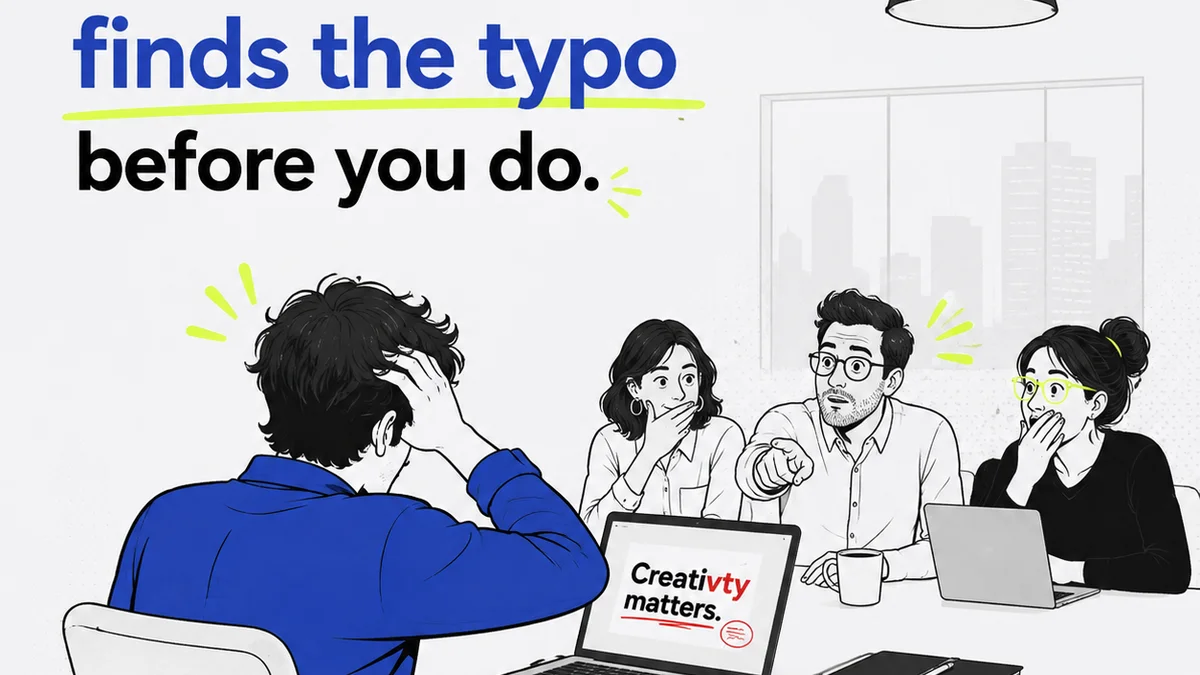
Most agency leaders think of creative governance as a set of rules. Brand guidelines, tone-of-voice documents, style guides. Stuff you hand off to junior designers and hope they don’t mess up.
None of that is wrong. But it’s incomplete.
Creative governance is far more than a checklist of do’s and don’ts. It’s the operational framework that dictates how creative work is managed, reviewed, and approved from brief to final delivery. It’s about consistency, yes, but more importantly, it’s about efficiency, risk mitigation, and ultimately, profitability.
1. The Myth of Creative Freedom vs. Control
The common assumption is that strict governance stifles creativity. That a rigid framework will turn brilliant ideas into bland, corporate-approved mush. Agencies often champion
Frequently asked questions
What is creative governance?
Creative governance is the system of policies, processes, and standards that guide the creation, review, and approval of creative work. It ensures consistency, quality, and alignment with brand objectives and operational goals.
Why is creative governance important for agencies?
It's crucial for maintaining brand consistency, reducing errors and rework, mitigating risks, improving efficiency, ensuring client satisfaction, and ultimately boosting profitability by streamlining workflows.
How does creative governance differ from brand guidelines?
Brand guidelines are a component of creative governance, focusing on visual and verbal identity. Creative governance is a broader operational system encompassing the entire lifecycle of creative asset creation and management.
Can creative governance hinder creativity?
When implemented poorly, yes. But effective creative governance provides a clear framework, freeing creatives to focus on the core idea rather than getting bogged down in procedural details or subjective approvals. It guides, rather than restricts.