You think scaling your agency means hiring more creatives, landing bigger clients, and streamlining your sales process. None of that is wrong. But it’s incomplete.
The real bottleneck for growing agencies isn’t a lack of talent or opportunity. It’s a lack of clear, consistent governance around creative work.
This isn’t about bureaucracy for bureaucracy’s sake. It’s about building the guardrails that allow creativity to flourish without devolving into chaos.
When you’re small, everyone knows what’s going on. When you start to grow, that organic flow breaks down. Suddenly, projects get muddled, feedback goes missing, and revisions spiral. That’s the sound of your governance failing.
Let’s look at the common governance mistakes that are secretly choking your agency’s growth.
1. The "We'll Figure It Out As We Go" Fallacy
This is the most common trap. You’re busy doing the work, landing clients, and keeping the lights on. The idea of formalizing creative processes feels like a luxury you can’t afford.
The truth? It’s a necessity you can’t afford to skip.
Without established processes for brief intake, feedback loops, revision tracking, and final approval, you’re building on sand.
A. Ambiguous Briefing and Scoping
Every project starts with a brief. If your briefs are vague, missing key information, or inconsistently applied, you’re setting the project up for failure from day one.
- Clients don't know what they *really* want.
- Creatives guess at requirements.
- Scope creep becomes inevitable.
This isn’t a client problem; it’s a process problem. Your agency needs a standardized way to extract and document client needs.
B. Unstructured Feedback Cycles
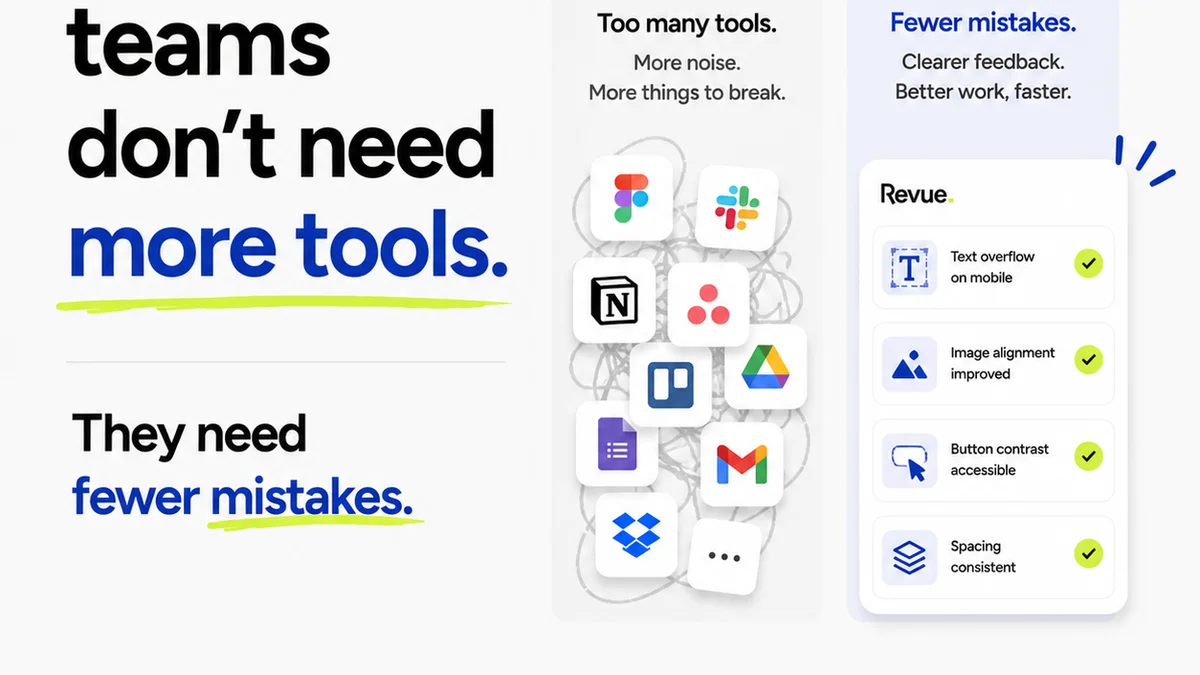
Client feedback is gold, but it can also be poison if not managed. When feedback arrives via scattered emails, Slack messages, and hurried phone calls, it’s a recipe for disaster.
- Key comments get lost.
- Conflicting instructions emerge.
- You waste time chasing down clarity.
This directly impacts revision time and client satisfaction. It’s pure operational friction.
C. Lack of Clear Approval Gates
When does a deliverable move from
Frequently asked questions
What is creative governance in an agency context?
Creative governance refers to the established processes, policies, and decision-making frameworks that guide the creation, review, and approval of creative work within an agency. It ensures consistency, quality, and alignment with client objectives while managing resources effectively.
Why is clear feedback important for agencies?
Clear feedback is crucial because it minimizes misinterpretation, reduces unnecessary revisions, saves time and resources, and leads to final deliverables that better meet client expectations. Unclear feedback often results in scope creep and client frustration.
How can agencies improve their revision and approval process?
Agencies can improve by implementing a centralized system for feedback, establishing clear approval gates with defined stakeholders, setting realistic revision limits in contracts, and using tools that provide version control and audit trails for all changes.
What are the signs that an agency's creative governance is failing?
Signs include frequent scope creep, missed deadlines, client dissatisfaction with deliverables, internal team confusion about project direction, wasted time chasing feedback, and an inability to scale operations without a proportional increase in chaos.