Everyone talks about creative freedom. About the spark. The wild idea. It’s the lifeblood of any agency worth its salt. But what happens when that spark fizzles? When great ideas get lost in translation, or worse, in endless revisions?
The common assumption is that too much process kills creativity. That structure suffocates innovation. None of that is wrong. But it’s incomplete.
The harder truth is that unmanaged creativity is a liability. It’s chaotic. It’s unpredictable. And for agencies and in-house teams, it’s a direct threat to profitability and client satisfaction. This is where creative governance comes in.
Creative governance isn't about rigid rules. It's about building a framework that supports, refines, and elevates creative output, consistently. It’s the operating system for your creative engine.
1. What Creative Governance Really Means
Forget bureaucracy. Think of creative governance as a set of principles and practices that ensure your creative work aligns with business goals, client needs, and brand standards, without stifling the creative process itself.
It's about clarity. It's about control. It's about consistency.
The Core Pillars
- Alignment: Ensuring creative output directly supports strategic objectives.
- Quality Assurance: Establishing benchmarks and processes to maintain high standards.
- Risk Management: Identifying and mitigating potential issues before they escalate.
- Efficiency: Streamlining workflows to deliver excellent work on time and budget.
- Scalability: Building systems that support growth and team expansion.
Without these, you're essentially running a race without a track. You might have fast runners, but they're going nowhere specific.
2. The Hidden Costs of Ungoverned Creativity
What does creative chaos actually cost you? More than you probably realize.
It's not just about wasted hours. It's about lost opportunities and damaged reputations.
The Symptom List
- Scope Creep: Client requests morphing into entirely new projects without proper scope adjustment or compensation.
- Endless Revisions: Projects stuck in a loop of feedback and minor tweaks, burning time and goodwill.
- Inconsistent Brand Voice: Different campaigns or deliverables feeling disconnected, diluting brand impact.
- Missed Deadlines: Creative bottlenecks and unclear approval paths leading to delays.
- Budget Overruns: Unforeseen revisions and extended timelines eating into profit margins.
- Team Burnout: Frustration from rework, unclear direction, and constant firefighting.
- Client Dissatisfaction: Ultimately, a lack of clear process leads to unhappy clients who don't feel in control or see predictable results.
Sound familiar? These aren't isolated incidents. They're symptoms of a system lacking effective governance.
3. Building Your Creative Governance Framework
This isn't a one-size-fits-all solution. Your framework needs to be tailored to your agency or team. But the foundational elements are universal.
Key Components
- Clear Briefing Standards: A standardized, comprehensive creative brief template is non-negotiable. It’s the blueprint. Ensure it captures objectives, audience, deliverables, key messaging, brand guidelines, and success metrics.
- Defined Workflows: Map out every stage of your creative process, from initial concept to final delivery. Who does what? When? What are the gates?
- Standardized Feedback Loops: Implement a consistent method for collecting and responding to client feedback. This means structured review sessions, clear annotation tools, and defined roles for who provides feedback.
- Approval Gates: Formalize checkpoints where stakeholders sign off on deliverables before moving to the next stage. This prevents costly backtracking.
- Brand Guidelines Enforcement: Make brand guidelines easily accessible and integrate checks into your workflow to ensure adherence.
- Asset Management: A centralized system for storing and organizing creative assets ensures consistency and prevents duplication of effort.
- Performance Metrics: Define how you'll measure the success of creative work against the initial brief and business objectives.
Think of this as building the guardrails on a highway. They don't stop you from getting to your destination; they ensure you get there safely and efficiently.
4. Roles and Responsibilities: Who Owns What?
Ambiguity is the enemy of governance. Everyone needs to know their part.
Clear roles prevent dropped balls and duplicated efforts.
Defining the Players
- Creative Director/Lead: Owns the overall creative vision and ensures work aligns with strategy and quality standards.
- Project Manager: Manages timelines, resources, and communication, ensuring the workflow adheres to the governance framework.
- Account Manager/Client Lead: Acts as the primary liaison with the client, ensuring briefs are accurate and feedback is managed effectively.
- Creative Team Members: Responsible for executing creative tasks according to briefs and standards.
- Client Stakeholders: Responsible for providing timely, constructive, and consolidated feedback at designated points.
Crucially, clients need to understand and agree to the governance process. This isn't just internal. It’s a partnership.
5. Technology as an Enabler, Not a Fix
Tools don't create governance; they enable it. Trying to implement governance without the right tech is like trying to build a house with no tools.
The right platform makes the process manageable and visible.
Where Revue Fits In
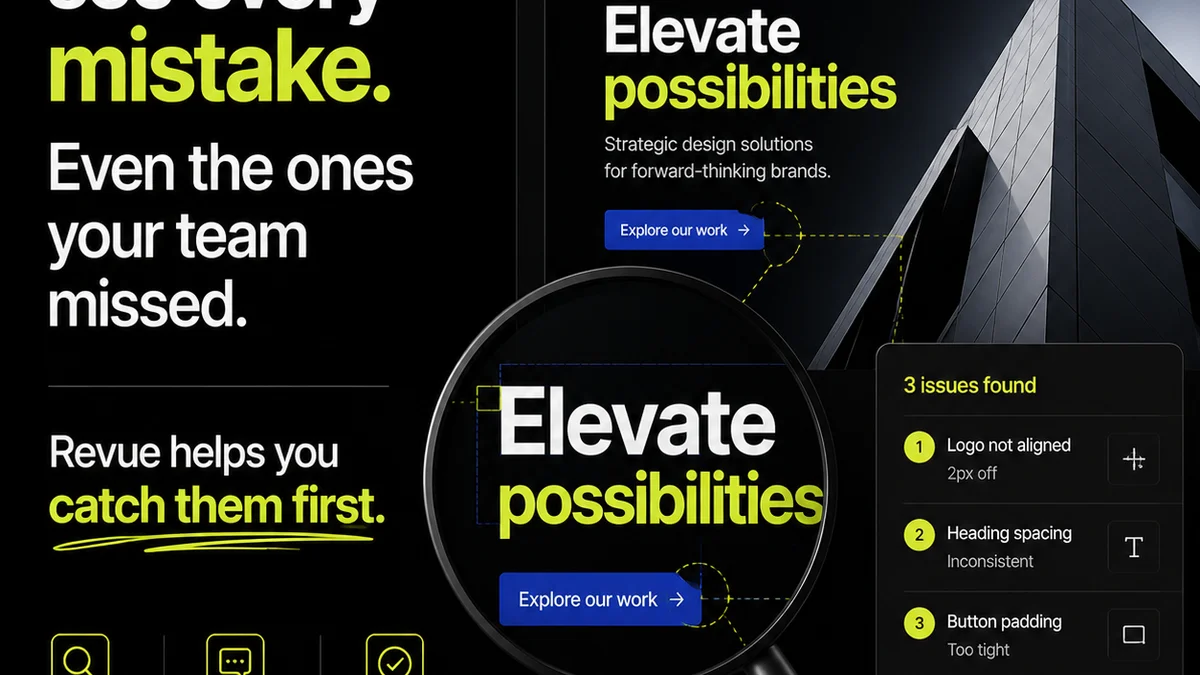
Revue acts as the central nervous system for your creative projects. It’s designed to operationalize creative governance.
- Centralized Feedback: Consolidate all client comments, annotations, and approvals in one place. No more hunting through emails or scattered documents.
- Revision and Approval Visibility: Track every version, every change, and every sign-off. This transparency builds client trust and clarifies accountability.
- Quality Checks: Integrate your defined standards and checklists directly into the review process, ensuring nothing slips through the cracks.
By providing a single source of truth for creative assets and feedback, Revue helps enforce your governance framework, making it easier for everyone—internal teams and clients alike—to follow the process.
6. The Client Perspective: Building Trust Through Process
Clients often fear process because they associate it with rigidity and slow delivery. Your governance framework needs to address this head-on.
Frame it as a benefit, not a burden.
When clients see a clear, structured approach to feedback and approvals, they feel more confident. They understand the steps. They know what to expect. This reduces their anxiety and builds trust.
A well-governed process means fewer surprises, more predictable outcomes, and ultimately, a stronger client relationship. It shows you are professional, organized, and committed to delivering exceptional results reliably.
7. Adapting Governance for Different Creative Disciplines
Creative governance isn't just for ad campaigns. It applies across the board.
- Web Design & Development: Governance ensures brand consistency, accessibility standards (like WCAG 2.1 WCAG), and user experience (UX) principles are met.
- Video Production: It standardizes script approvals, shot lists, and edit reviews, ensuring the final product matches the vision.
- Content Marketing: Governance ensures SEO best practices, brand voice, and editorial calendars are adhered to across all published materials.
- Product Design: Frameworks ensure alignment with user needs, technical feasibility, and adherence to design systems (e.g., Material Design, Apple HIG).
The specific touchpoints change, but the need for structure remains constant.
Final Thought
Creative freedom is essential. But it thrives within structure, not in spite of it. Governance isn't the cage; it's the trellis that helps the vine grow strong and bear fruit.
Are you enabling unchecked creativity, or are you building a system that ensures your creative talent consistently produces their best work, delighting clients and driving business results?
Frequently asked questions
What is the primary benefit of implementing creative governance?
The primary benefit is achieving consistent quality and predictable outcomes in creative work. It balances creative freedom with strategic alignment and operational efficiency, leading to increased client satisfaction and profitability.
How does creative governance differ from project management?
Project management focuses on the execution of a specific project's timeline, budget, and resources. Creative governance is a broader strategic framework that defines the principles, standards, and processes for all creative output across an organization, ensuring alignment with business goals and brand integrity.
Can too much governance stifle creativity?
Yes, poorly implemented governance can stifle creativity. Effective creative governance, however, is designed to support and enhance creativity by providing clarity, removing ambiguity, and streamlining processes, allowing creatives to focus on ideation and execution rather than administrative hurdles.
How do you get clients to buy into a creative governance process?
Frame governance as a benefit to the client: improved clarity, fewer surprises, more predictable timelines, and consistently high-quality results. Educate them on the process, highlight how it protects their investment, and demonstrate its value through transparent communication and structured checkpoints.