Everyone talks about creative leadership. They talk about vision, inspiration, and fostering a culture of innovation. They talk about empowering your team, giving them space to experiment, and protecting them from bureaucracy. None of that is wrong. But it’s incomplete.
The hard truth about creative leadership is that it’s less about the spark of genius and more about the relentless grind of process. It’s about building systems that allow creativity to flourish, not just hoping it will.
1. The Myth of the Lone Genius
We’ve all bought into it. The brilliant art director with a singular vision. The copywriter who conjures magic from thin air. The designer who just *knows* what’s right. This romantic ideal of the creative process is powerful, but it’s also a trap.
It places undue pressure on individuals. It breeds bottlenecks. And it often masks a chaotic, inefficient workflow that’s barely sustainable.
The Reality: Collaboration is King
Great creative work is rarely a solo act. It’s the result of iteration, critique, and refinement. It’s a conversation. Effective leaders don’t just inspire; they orchestrate.
They create the conditions for that conversation to happen productively.
2. Building the Engine, Not Just the Spark
Inspiration is great. But you can’t build a sustainable agency or a reliable in-house team on inspiration alone.
You need an engine. A system for turning ideas into executed, approved, and delivered work.
The Symptoms of a Broken Engine
- Endless revision cycles that go nowhere.
- Client feedback that’s vague, contradictory, or late.
- Team members unsure of the brief or the objective.
- Missed deadlines and scope creep.
- Burnout and frustration.
- A sense that good ideas are getting lost in the shuffle.
These aren’t signs of a lack of talent. They’re signs of a broken process.
The Fix: Process as an Enabler
This is where leadership gets its hands dirty. It means defining clear workflows, establishing feedback loops, and implementing review gates. It means saying ‘no’ to ideas that don’t serve the brief, even if they seem brilliant.
It means building structure that supports, rather than stifles, creativity.
3. The Art of Orchestration
A conductor doesn’t play every instrument. They guide them. They ensure each part is played at the right time, with the right intensity, and in harmony with the others.
Creative leadership is much the same.
Key Elements of Orchestration
- Crystal Clear Briefs: Every project starts with a brief that is unambiguous, measurable, and agreed upon. No room for interpretation.
- Defined Roles: Who is responsible for what? Who approves what? Clarity here prevents confusion and dropped balls.
- Structured Feedback: Feedback needs to be constructive, actionable, and delivered within agreed-upon timelines.
- Visible Progress: Everyone on the team and on the client side should have visibility into where a project stands.
- Quality Control: A final check before delivery to ensure everything aligns with the brief and brand standards.
This isn’t about micromanagement. It’s about creating a predictable, repeatable path from concept to completion.
4. Where Revue Fits In
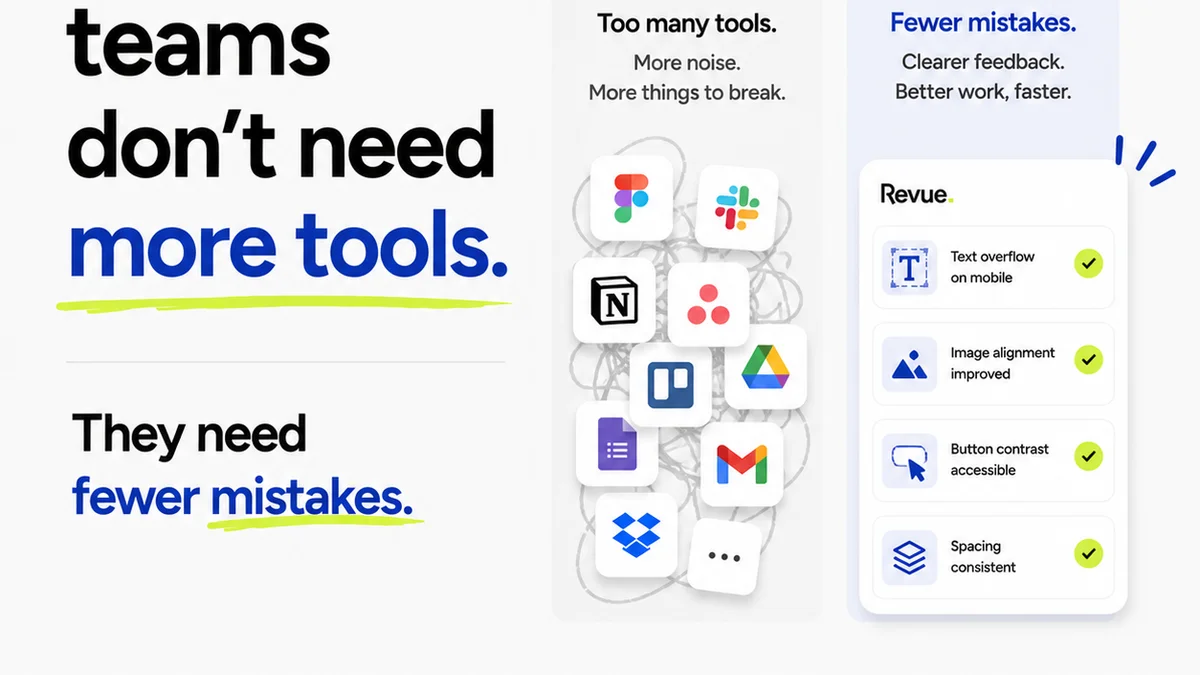
Managing this orchestration can feel like herding cats. Especially when feedback is scattered across emails, Slack messages, and random documents. This is where a centralized platform becomes indispensable.
Revue provides that central nervous system for your creative process.
- Centralized Feedback: All client comments, stakeholder input, and internal reviews live in one place, directly on the creative asset. No more hunting through inboxes.
- Revision & Approval Visibility: Track every version, every change, and every approval status. It’s clear who signed off on what, and when. This eliminates disputes and accelerates decision-making.
- Quality Checks: Ensure every deliverable meets the agreed-upon requirements before it ever gets to the client. Build quality into your workflow, don’t just hope for it.
It’s about streamlining the communication and management layers so your team can focus on the creative work itself.
5. Leading by Example
The best leaders don’t just delegate; they participate. They champion the processes they’ve put in place.
They use the tools. They follow the workflows. They provide clear, concise feedback.
When leadership respects and adheres to the system, the team is far more likely to do the same.
Cultivating a Culture of Accountability
This means holding people accountable, not just for the final output, but for adhering to the process. It’s about building trust through predictability and reliability.
It’s about understanding that efficiency isn't the enemy of creativity; it's its most powerful ally.
Final Thought
Are you a creative leader who inspires a team, or a leader who builds a reliably creative *machine*? The distinction might seem subtle, but it’s the difference between sporadic brilliance and sustained success.
Frequently asked questions
What's the difference between a creative director and a creative leader?
A creative director often focuses on the aesthetic and conceptual direction of projects. A creative leader encompasses that but also focuses on building the systems, processes, and team dynamics that enable consistent creative output and growth.
How can I foster creativity while also implementing strict processes?
Processes should be designed to remove obstacles, not create them. By handling the administrative and organizational load, clear processes free up your team's mental space to focus on creative problem-solving. Think of process as the supportive framework, not the restrictive cage.
What are the signs of a struggling creative team that aren't about talent?
Signs include endless revision cycles, vague or late feedback, unclear briefs, missed deadlines, team burnout, and a general feeling of chaos. These usually point to process or communication breakdowns, not a lack of creative skill.
How important is client buy-in for creative processes?
Extremely important. When clients understand and agree to the feedback and approval process upfront, it drastically reduces misunderstandings, scope creep, and frustration for both sides. Transparency builds trust and streamlines delivery.