Everyone talks about creative metrics. They’ll tell you to track engagement, conversion rates, project completion times, and client satisfaction. None of that is wrong. But it’s incomplete.
The hard truth is that most teams chase the wrong numbers, or worse, use tools that only show a sliver of reality. This leads to decisions based on incomplete data, wasted effort, and ultimately, a less efficient and less profitable creative operation.
1. The Vanity Metrics Trap
It’s easy to get seduced by surface-level data. Things like ‘likes,’ ‘shares,’ or even ‘number of revisions’ can feel important, but they rarely tell the whole story about your team’s performance or the quality of the work.
Think about it:
- High engagement on a social post might just mean it was controversial, not effective.
- A low revision count could mean clients are thrilled, or it could mean they’re too busy or disengaged to provide detailed feedback.
- Fast project completion is great, but not if it sacrifices quality or client buy-in.
These metrics often fail to capture the nuances of creative work. They are easy to measure but hard to act on meaningfully.
2. Defining What *Actually* Matters
Before you even look at tools, you need to define what success looks like for *your* agency or team. This requires looking beyond the obvious.
Consider these deeper operational metrics:
Client Satisfaction & Retention
This isn't just a post-project survey. It’s about understanding the client’s perception of your process and partnership throughout the engagement.
- Feedback Quality: Are clients providing specific, actionable feedback, or vague, unhelpful comments?
- Revision Cycle Efficiency: How many rounds of revisions are truly necessary? Are clients approving work promptly?
- Scope Creep: Is feedback consistently pushing beyond the original brief?
- Repeat Business: The ultimate metric for client satisfaction.
Team Productivity & Efficiency
This isn't about working people harder. It’s about removing friction and ensuring your team’s time is spent on high-value creative tasks, not administrative overhead.
- Time to Approval: How long does it take from initial delivery to final sign-off?
- Resource Allocation: Are projects being completed within estimated timelines and budgets?
- Bottlenecks: Where are projects getting stuck? Is it internal reviews, client feedback, or external dependencies?
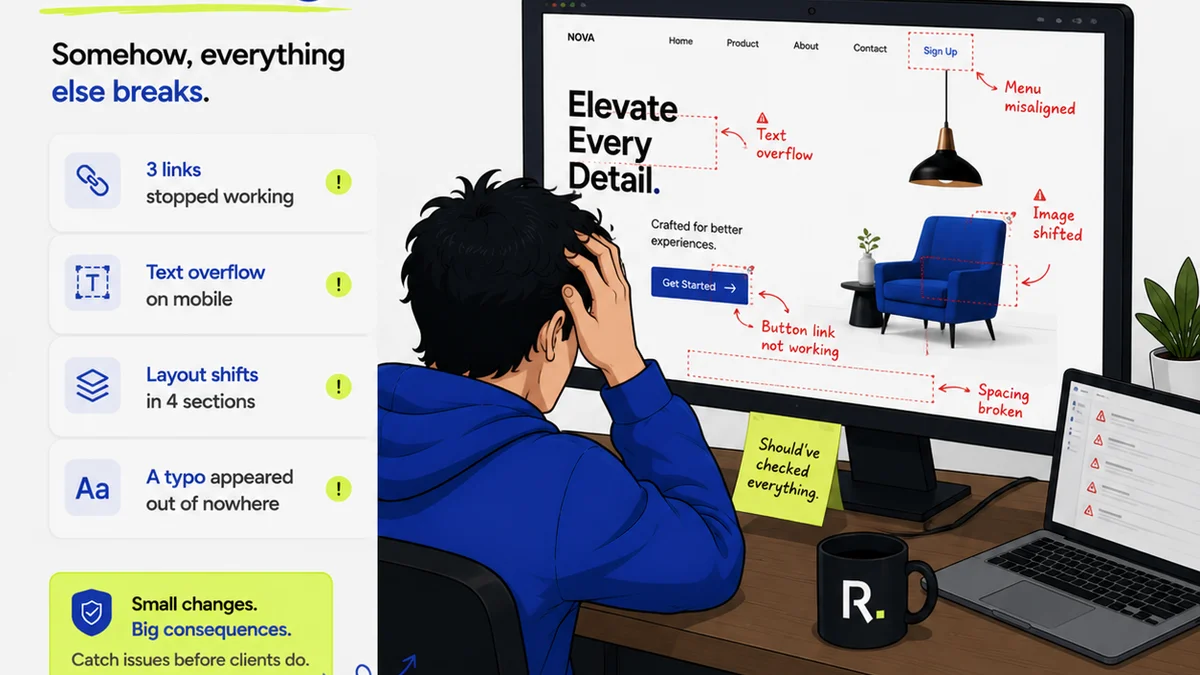
- Quality Control: How often are errors or oversights caught *before* final delivery?
Financial Health
Ultimately, creative work needs to be profitable. Metrics here tie operational efficiency to your bottom line.
- Project Profitability: Are projects consistently coming in on budget?
- Utilisation Rates: How effectively are your team members’ hours being billed?
- Cost of Rework: How much time and money is spent fixing mistakes or addressing issues post-approval?
These are the metrics that reveal the true health of your creative operation. They are harder to track but infinitely more valuable.
3. Evaluating Tools for Creative Metrics
Once you know what you want to measure, you can start looking for tools. The key is to find systems that integrate with your workflow and provide actionable insights, not just data dumps.
Integrated Platforms vs. Point Solutions
Many teams cobble together a stack of tools. A project management tool here, a communication app there, a separate proofing tool. This creates silos and makes cross-referencing data a nightmare.
- Point Solutions: Good for a specific task (e.g., a standalone proofing tool), but often lack integration.
- Integrated Platforms: Offer a more holistic view, connecting different stages of the creative process. This is where you find true workflow insights.
Key Features to Look For
When evaluating software for creative metrics, prioritize functionality that supports your defined goals:
- Centralized Feedback: A single source of truth for all client comments, annotations, and discussions on creative assets. This eliminates lost emails and version confusion.
- Revision Tracking: Clear version history and the ability to see who approved what, when. This is crucial for accountability and understanding the revision process.
- Workflow Automation: Tools that can automate notifications, reminders, and task assignments based on project progress.
- Reporting & Analytics: Customizable dashboards that can surface the specific metrics you’ve identified as important. Look for trend analysis over time.
- Integration Capabilities: Can the tool connect with your existing project management, communication, or file storage systems?
- User Experience (UX): Is it intuitive for both your internal team and your clients? A clunky tool will hinder adoption and data accuracy.
Don’t get lost in feature checklists. Focus on how a tool helps you answer your most critical operational questions.
4. Where Revue Fits In
Revue is designed to address the common pain points in creative workflow management, directly impacting the metrics that matter most.
By centralizing client feedback, Revue eliminates the ambiguity of scattered email threads and chat messages. Every comment, annotation, and revision request lives on the asset itself, creating a clear, auditable trail.
This visibility into the revision and approval process is invaluable. You can easily track the number of feedback rounds, the clarity of client comments, and the time it takes for approvals. This directly impacts metrics like ‘Revision Cycle Efficiency’ and ‘Time to Approval’.
Furthermore, Revue’s structured approach helps in performing quality checks. With a clear history of feedback and approvals, you can ensure that all client requirements have been met before final delivery, reducing the ‘Cost of Rework’.
The platform’s focus on clear communication and streamlined approvals helps reduce bottlenecks and improve overall project velocity, contributing to better ‘Project Profitability’ and ‘Utilisation Rates’.
5. Common Pitfalls to Avoid
Even with the right tools, teams can stumble. Awareness is the first step to prevention.
- Tool Overload: Buying into every new shiny object without a clear strategy.
- Ignoring Client Experience: Implementing complex systems that frustrate clients and hinder collaboration.
- Data Without Action: Collecting metrics but failing to analyze them or make changes based on insights.
- Focusing Solely on Speed: Prioritizing quick turnaround over quality, leading to more rework later.
- Lack of Training: Not properly onboarding the team onto new tools or processes.
A tool is only as good as the workflow it supports. If your processes are broken, a new tool will just automate the chaos.
Final Thought
The pursuit of better creative metrics isn't about collecting more data. It’s about gaining clarity. It’s about understanding the operational levers that drive profitability, client satisfaction, and team well-being. Are your current tools helping you see the whole picture, or just a small, potentially misleading, part of it?
Frequently asked questions
What are vanity metrics in a creative context?
Vanity metrics in creative work are numbers that look good but don't necessarily reflect true business value or operational health. Examples include social media likes/shares without context, or a high number of completed projects if they weren't profitable or client-satisfactory.
How can I measure client satisfaction beyond a survey?
Measure client satisfaction through qualitative feedback during projects, the quality and specificity of their comments, the efficiency of revision cycles, promptness of approvals, and ultimately, repeat business. These indicate ongoing satisfaction with your process and output.
What is the difference between point solutions and integrated platforms for creative metrics?
Point solutions are tools designed for a single function (e.g., a standalone proofing app). Integrated platforms offer a suite of connected functionalities, providing a more holistic view of the creative process and enabling better cross-functional data analysis.
How do tools help reduce the cost of rework?
Tools that centralize feedback, provide clear version history, and track approvals help ensure all client requirements are met before final delivery. This reduces the likelihood of errors or missed scope, thereby lowering the cost associated with fixing mistakes post-delivery.