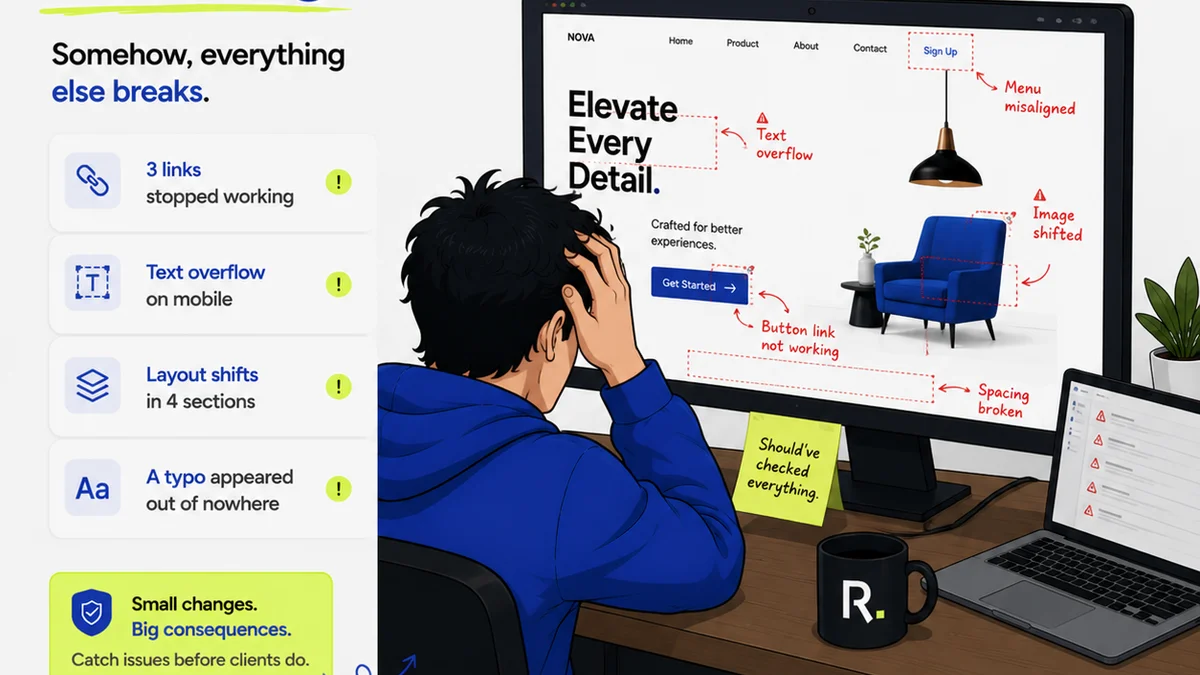
Everyone talks about creative operations as the secret sauce for agencies. Better workflows, happier clients, more profitable projects. None of that is wrong. But it’s incomplete.
The real truth about creative operations is that it’s not a department or a tool. It’s the relentless, often unglamorous, pursuit of clarity and control over every single moving part of your agency’s creative output. It’s the operational backbone that separates agencies that merely survive from those that truly thrive.
1. The Myth of the 'Creative' in Creative Operations
The biggest misconception is that creative operations is solely about managing creative projects. It’s not. It’s about managing the *business* of creativity.
Think about it. A designer’s job is to create. A strategist’s job is to strategize. An account manager’s job is to manage the client relationship. But who ensures these brilliant minds are working efficiently, with clear briefs, accessible assets, and defined processes? That’s operations.
Creative operations is the bridge between the creative vision and the business reality. It’s about making sure the right people have the right information at the right time to do their best work, without friction.
It’s the unsung hero that allows creative talent to actually be creative, rather than getting bogged down in administrative tasks or endless clarification loops.
The Operational Bottlenecks
What does this friction look like?
- Endless email chains chasing feedback.
- Lost files and version control nightmares.
- Scope creep disguised as 'small tweaks'.
- Team members working on outdated briefs.
- Inability to track project profitability in real-time.
- Client confusion leading to frustration and delays.
These aren't creative problems. They are operational failures.
2. Defining Your Agency's Operational Blueprint
Effective creative operations requires a clear blueprint. This isn't about rigid bureaucracy; it's about establishing clear, repeatable pathways for your core processes.
Start with the client lifecycle. Map out every stage, from initial inquiry to final delivery and beyond.
Prospect to Project Kickoff
How do you qualify leads? What’s your onboarding process? How is the SOW finalized and signed? Every step needs definition.
A well-defined sales-to-onboarding process ensures you’re taking on the right projects with the right clients, setting the stage for success.
Briefing and Discovery
This is where many agencies stumble. A weak brief guarantees a weak outcome. Your operational blueprint must dictate:
- What information is *required* in every brief.
- Who is responsible for brief creation and sign-off.
- How client discovery sessions are structured and documented.
- How the brief is communicated and understood by the creative team.
This isn't about stifling creativity; it's about providing a solid foundation upon which creativity can be built. A clear brief is a creative accelerant.
Asset Management and Version Control
Where do final assets live? How are they organized? Who has access? How do you track revisions and ensure everyone is working with the latest version?
This is critical. Without robust asset management, you're inviting chaos.
Feedback and Approvals
This is perhaps the most notorious pain point. Your blueprint needs to define:
- Who provides feedback at each stage.
- The format feedback should be given in (e.g., annotated, written summary).
- The turnaround time for feedback.
- The process for consolidating and acting on feedback.
- The formal approval gates.
This stage is where delays and misunderstandings fester. Clear processes are essential.
Project Delivery and Handoff
How are final assets delivered? What documentation is required? What’s the process for client acceptance?
A smooth handoff leaves a positive final impression and avoids post-project confusion.
3. The Technology Stack for Operational Excellence
Tools are not a substitute for process, but they are essential enablers. Your technology stack should support, not dictate, your operations.
Project Management Software
This is non-negotiable. Whether it’s Asana, Monday.com, or Jira, you need a central hub for tasks, timelines, and team assignments. But remember, the tool only works if the process is defined first.
Communication Platforms
Slack, Microsoft Teams, etc. Essential for quick communication, but dangerous if they become the primary repository for critical project decisions or feedback.
Creative Review and Approval Tools
This is where specialized tools shine. They streamline the feedback loop, centralize comments, and provide clear audit trails for approvals. Think tools that allow direct annotation on images, videos, and PDFs.
Resource Management
Tools that help you forecast team capacity, track utilization, and allocate resources effectively. This is key for profitability and preventing burnout.
Financial Management
Accounting software, time-tracking tools, and invoicing systems. Essential for understanding project profitability and agency financial health.
Knowledge Management
A central repository for process documentation, templates, brand guidelines, and past project learnings. This ensures consistency and speeds up onboarding.
4. Building a Culture of Operational Discipline
The best processes and tools will fail without the right mindset. Operational discipline isn't about being rigid; it's about commitment to clarity and efficiency.
Training and Onboarding
Every team member needs to understand the operational processes and their role within them. This starts from day one.
Accountability
Who owns each step of the process? There must be clear accountability for tasks, deadlines, and adherence to protocols.
Continuous Improvement
Operations are not static. Regularly review your processes. What’s working? What’s not? Solicit feedback from your team.
Are briefs consistently missing key information? Is feedback always late? Are projects frequently going over budget?
These are signals that your operational blueprint needs adjustment. Treat your operations like a product that requires ongoing iteration.
The Role of Leadership
Agency leaders must champion operational excellence. It needs to be a stated priority, not an afterthought.
This means investing in the right tools, dedicating time to process improvement, and holding teams accountable.
5. Where Revue Fits In
This is where robust creative operations software like Revue becomes invaluable. It’s designed to tackle the specific friction points that plague creative workflows.
Revue provides a centralized platform to manage client feedback, ensuring that all comments and revisions are captured in one place, tied to the specific creative asset. No more hunting through emails or Slack channels.
It offers clear visibility into the revision and approval process. Stakeholders can see what’s been requested, what’s been done, and what the next steps are, reducing confusion and accelerating timelines.
Furthermore, by standardizing feedback and approval workflows, Revue helps enforce quality checks. You can ensure that feedback is constructive, actionable, and that final approvals are properly documented, protecting both the agency and the client.
Ultimately, Revue helps operationalize the chaos, freeing up your team to focus on delivering exceptional creative work, not managing administrative overhead.
6. Final Thought
Creative operations isn’t just about making things run smoothly. It’s about building a more resilient, profitable, and scalable agency. It's the difference between reacting to problems and proactively shaping success.
Are your operations a source of competitive advantage, or an invisible drag on your agency's potential?
Frequently asked questions
What is the primary goal of creative operations?
The primary goal of creative operations is to streamline the creation and delivery of creative work by optimizing processes, tools, and team collaboration. It aims to improve efficiency, reduce friction, enhance quality, and increase profitability within an agency or creative team.
How does creative operations differ from project management?
While project management focuses on the execution of a specific project (scope, timeline, budget), creative operations takes a broader, more strategic view. It encompasses the systems, workflows, and resources that enable all creative projects to be managed effectively and efficiently across the agency.
What are the key components of effective creative operations?
Key components include defined workflows for briefing, feedback, and approvals; robust asset management and version control; clear communication protocols; efficient resource allocation; appropriate technology stack (PM tools, review software); and a culture of continuous improvement and accountability.
How can agencies improve their creative operations?
Agencies can improve by mapping their current processes, identifying bottlenecks, standardizing key workflows (like client briefs and feedback loops), implementing appropriate technology solutions, training their teams, and fostering a culture that prioritizes operational discipline and continuous improvement.