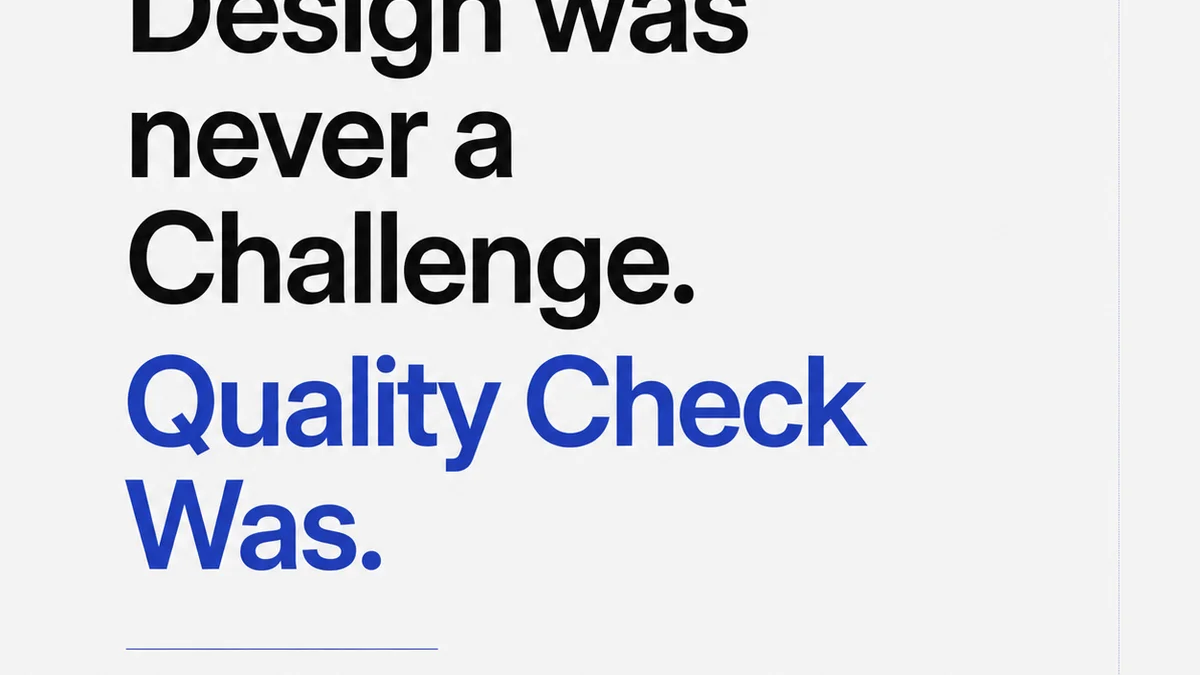
Everyone talks about revenue. Landing bigger clients. Upselling existing ones. More billable hours. It’s all about top-line growth. And none of that is wrong. But it’s incomplete.
The hard truth is, you can chase revenue all day long, but if your operations are a leaky sieve, that profit will never stick. The real path to higher profit margins isn't just about bringing more money in the door; it's about keeping more of what you earn.
1. The Hidden Cost of Chaos
Most agencies operate in a state of perpetual, low-grade chaos. It’s the background noise of creative work. Missed deadlines. Scope creep disguised as collaboration. Endless, unproductive revision rounds. Client feedback lost in email chains. This isn't just annoying; it's incredibly expensive.
Think about the hours your team spends:
- Chasing down feedback.
- Re-doing work because of unclear instructions.
- Managing multiple versions of a single asset.
- Correcting errors that could have been caught earlier.
- Dealing with client frustration born from poor process.
Each of those minutes is a direct hit to your bottom line. It’s time that could be spent on billable work, strategic thinking, or new business development. It’s also time that drains morale.
The Myth of the
Frequently asked questions
What exactly are 'creative operations'?
Creative operations (or 'creatives ops') refers to the systems, processes, and workflows that enable creative teams to produce high-quality work efficiently and at scale. It's the backbone that supports creative output.
How can better operations lead to higher profits?
By streamlining workflows, reducing errors, minimizing rework, and improving project turnaround times, creative operations directly cut costs and increase the capacity for billable work, thereby boosting profit margins.
Is implementing creative operations expensive?
While there can be investment in tools or training, the cost of *not* implementing effective operations—through wasted time, missed deadlines, and client dissatisfaction—is far greater. The ROI on well-defined processes is typically very high.
What's the first step to improving my agency's creative operations?
Start by mapping your current workflows. Identify bottlenecks, points of friction, and areas where communication breaks down. Then, prioritize solutions that address the biggest pain points first.