Everyone agrees that enterprise marketing needs to be faster, more efficient, and more effective. The common assumption? That the solution lies in adopting more cutting-edge MarTech, AI tools, or hiring more specialists. You need a bigger budget, a fancier platform, or a unicorn hire.
None of that is wrong. But it’s incomplete.
The real bottleneck isn't a lack of technology or talent. It’s how the work actually gets done. It’s the messy, often invisible, process of creative operations.
This is the hard truth: Enterprise marketing performance hinges on robust, streamlined creative operations. Without them, even the best strategy and the most advanced tech will falter under the weight of internal friction.
1. The Myth of MarTech Solves All
Companies spend fortunes on marketing automation, CRM, analytics platforms, and content management systems. They layer on AI for content generation, personalization engines, and predictive analytics. And yet, campaigns still drag. Revisions pile up. The sales team is still waiting for that collateral.
Why?
Because the tools don't fix broken processes. They just automate them.
The Illusion of Efficiency
A new AI writing assistant might speed up first drafts, but if the feedback loop is broken, if approvals are a black hole, or if version control is a manual nightmare, that initial speed advantage evaporates. You just get more AI-generated content stuck in the same old ruts.
The focus on shiny new tools distracts from the fundamental plumbing: how creative assets are requested, created, reviewed, approved, and deployed.
This is where creative operations (often shortened to “creops”) come in. It’s about the systems, workflows, and people that manage the end-to-end production of marketing content.
2. Defining Creative Operations in Enterprise
Creative operations isn't just about project management. It's a strategic discipline that bridges the gap between creative vision and business outcomes. For enterprise marketing teams, this means managing a high volume of diverse assets across multiple channels and geographies, often with complex stakeholder groups.
Think of it as the operating system for your creative engine.
Key Components of Enterprise Creops
- Workflow Management: Defining clear, repeatable processes for everything from briefing to final delivery.
- Resource Allocation: Optimizing the use of internal and external creative talent, budgets, and time.
- Technology Integration: Ensuring MarTech stacks work harmoniously, not in silos.
- Asset Management: Centralizing and organizing all creative assets for easy access and reuse.
- Performance Tracking: Measuring the efficiency and effectiveness of creative production.
- Quality Assurance: Implementing checks to ensure brand consistency and compliance.
When these components are robust, marketing teams can move with agility and predictability.
When they are weak, chaos reigns.
3. The High Cost of Poor Creative Operations
What does this chaos look like in practice? It's not just annoyance; it's a direct hit to the bottom line.
Symptoms of Operational Breakdown
- Endless Revision Cycles: Feedback is vague, contradictory, or arrives late, leading to multiple rounds that delay launches and increase costs.
- Brand Inconsistency: Different teams or regions produce assets that don't align with brand guidelines, diluting the brand message.
- Missed Deadlines: Projects consistently run over schedule, impacting campaign timing and revenue opportunities.
- Wasted Resources: Designers and marketers spend too much time on administrative tasks, chasing approvals, or recreating existing assets.
- Low Team Morale: Frustration builds as creative professionals struggle with inefficient processes and unclear expectations.
- Compliance Risks: In regulated industries, lack of oversight can lead to costly errors and legal issues.
These aren't minor inconveniences. They are systemic failures that cripple marketing performance.
They prevent you from being agile. They make you reactive, not proactive.
4. Streamlining Workflows for Speed and Scale
The core of good creops is workflow optimization. For enterprise, this means building scalable, adaptable systems that can handle complexity without breaking.
From Chaos to Clarity
Start with the brief. Is it clear? Does it contain all necessary information? A poorly defined brief is the root of many downstream problems.
Standardize your intake process. Use structured templates that force stakeholders to provide critical details upfront.
Map out your review and approval stages. Who needs to sign off? What are the SLAs for each stage? Automate reminders and escalations.
Visualize your pipeline. Use Kanban boards or other project management tools to give everyone visibility into project status, bottlenecks, and upcoming deadlines.
This level of process definition might sound like bureaucracy, but it’s the opposite. It’s liberation.
It frees up your team to focus on the creative work, not the administrative drudgery.
5. Optimizing Creative Resources
Enterprise marketing teams often juggle internal creative departments, external agencies, freelancers, and specialized vendors. Managing this ecosystem efficiently is a creops challenge.
The Resource Puzzle
Visibility is Key: You need to know who is working on what, their current capacity, and their skill sets. This prevents over-allocation and burnout, and ensures the right person is on the right task.
Strategic Outsourcing: Understand when to use external partners. Is it for specialized skills, overflow capacity, or cost-efficiency? A clear creops framework helps make these decisions strategically, not reactively.
Budget Management: Track project costs against budgets in real-time. Poor resource allocation or scope creep can quickly derail financial plans.
Talent Development: By understanding workflow pain points, you can identify training needs or even roles that might be missing within your creative operations function.
Efficient resource management means getting the most output for your investment, without sacrificing quality or burning out your people.
6. The Role of Technology in Modern Creops
Technology isn't the *solution*, but it's a critical *enabler*. The right tools, integrated effectively, can automate manual tasks, provide visibility, and enforce process.
Beyond the MarTech Hype
Project Management Software: Essential for task tracking, scheduling, and team collaboration. Look for tools that offer visual workflows and reporting.
Digital Asset Management (DAM): A central repository for all creative files. This prevents duplication, ensures brand consistency, and speeds up asset retrieval.
Workflow Automation Tools: Automate repetitive tasks like notifications, routing for approvals, and status updates.
Creative Workflow Platforms: Tools specifically designed for managing creative production, from briefing to final delivery, often integrating PM, DAM, and automation features.
The goal is integration, not just accumulation. Tools should talk to each other, feeding data and automating handoffs to minimize manual intervention.
A disjointed tech stack is just another form of operational friction.
7. Where Revue Fits In
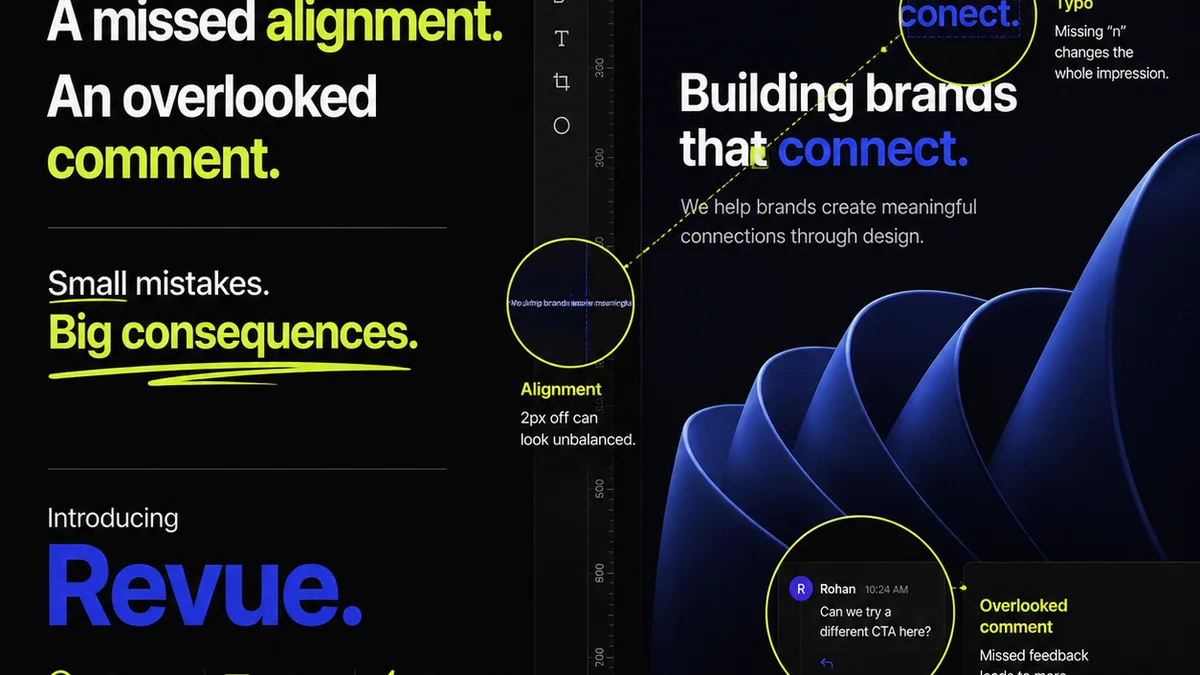
Managing the flow of creative work in an enterprise setting is complex. Feedback gets lost, revisions are tracked inconsistently, and knowing the status of a campaign asset can feel like a treasure hunt.
This is precisely the problem Revue was built to solve for creative teams.
Revue provides a centralized hub for managing client feedback and creative approvals. Instead of scattered emails, endless comment threads, and confusing spreadsheets, all feedback lives in one place, directly tied to the creative asset.
This brings crucial visibility:
- Centralized Feedback: All stakeholders provide comments and markups on the asset itself, eliminating confusion and ensuring everyone sees the same version.
- Clear Revision History: Track every version, every revision, and every approval. There's no ambiguity about what’s been changed or who approved it.
- Streamlined Approvals: Set up clear approval workflows, assign reviewers, and track progress, reducing delays and ensuring accountability.
- Integrated Quality Checks: Build checklists and define criteria directly within the platform to ensure creative output meets brand standards and project requirements before final delivery.
By centralizing these critical operational steps, Revue helps enterprise marketing teams reduce friction, accelerate timelines, and improve the quality and consistency of their creative output. It’s about making the invisible visible and the complex manageable.
8. Final Thought
Are you optimizing your creative *operations*, or just your creative *tools*?
The difference is everything. It’s the difference between marketing that’s merely busy and marketing that truly performs.
Focusing solely on the latest MarTech is like buying a faster engine for a car with a flat tire and a rusted chassis. You need to fix the underlying operational structure first.
What’s the single biggest workflow bottleneck in your creative production today?
Frequently asked questions
What are creative operations?
Creative operations (creops) is the discipline focused on managing the end-to-end production of creative marketing assets. It encompasses workflow management, resource allocation, technology integration, asset management, and performance tracking to ensure creative work is produced efficiently and effectively.
Why is creative operations important for enterprise marketing?
Enterprise marketing involves high volumes of complex creative work across multiple channels and stakeholders. Strong creops ensures these teams can deliver consistently, on time, and on budget, overcoming the inherent complexities and preventing common issues like brand inconsistency, missed deadlines, and wasted resources.
How do creative operations differ from project management?
Project management focuses on the execution of individual projects. Creative operations is broader, encompassing the systems, processes, and strategy for *all* creative production. It includes project management but also resource optimization, technology integration, asset lifecycle management, and strategic oversight of the entire creative engine.
What are the biggest signs of poor creative operations?
Common signs include endless revision cycles, brand inconsistency across assets, missed campaign deadlines, wasted time on administrative tasks, low team morale due to inefficient processes, and potential compliance risks. These issues indicate a breakdown in how creative work is managed from start to finish.
How can technology help creative operations?
Technology is an enabler, not a sole solution. Tools like project management software, Digital Asset Management (DAM) systems, and dedicated creative workflow platforms can automate tasks, provide visibility, centralize feedback, and enforce standardized processes, thereby reducing friction and improving efficiency.