Everyone talks about creative operations. They say it’s about efficiency. About streamlining workflows. About getting more done with less.
None of that is wrong. But it’s incomplete.
The hard truth? A truly effective creative operations framework isn't just about *doing* things faster. It’s about *knowing* what to do, *when* to do it, and *why* it matters to the bottom line.
It’s the operating system for your entire agency. And if it’s buggy, your whole business suffers.
1. The Myth of the 'Done Deal' Project
Many agencies think creative operations kicks in *after* the brief is signed and the project is underway. They see it as a layer of process applied to existing work.
That’s like trying to build a house by starting with the furniture.
A real framework starts before the first pixel is designed. It begins with understanding what makes a project profitable and predictable.
Defining Success Beyond Aesthetics
What does success look like for a client? It’s rarely just a beautiful deliverable. It’s about business outcomes.
Your operations framework must translate client business goals into actionable creative tasks. This means:
- Clearly defining project scope and deliverables from the outset.
- Establishing measurable KPIs for creative impact.
- Building a feedback loop that connects creative output to client objectives.
This isn't just good project management; it's strategic alignment.
The Financial Backbone
Profitability isn’t an afterthought. It’s baked into the process.
Your framework needs to account for:
- Accurate time and resource estimation.
- Clear scope management to prevent creep.
- Defined approval gates that trigger billing milestones.
- Contingency planning for unexpected issues.
Without this, you’re guessing. And guessing is a fast track to burnout and red ink.
2. The Illusion of 'Agile' Creative
Agile is a buzzword in creative circles. We’re told to be flexible, iterate quickly, and embrace change.
But true agility isn't chaos. It’s structured adaptability.
A common assumption is that agile means no upfront planning. That you can just jump in and figure it out as you go.
This leads to:
- Endless revisions with no clear direction.
- Team burnout from constant context switching.
- Clients who feel their project is out of control.
This isn't agility; it's a lack of a plan.
Structured Iteration, Not Random Swings
A robust operations framework defines *how* you iterate. It sets boundaries for flexibility.
This involves:
- Defining clear sprint goals or iteration phases.
- Establishing specific feedback windows and formats.
- Setting limits on the number of revision rounds.
- Using templates and pre-approved components where possible.
This creates a predictable rhythm. It allows for change without sacrificing momentum or clarity.
The Role of Documentation
This is where many agencies fall flat. They treat documentation as busywork.
In reality, clear documentation is the bedrock of agile operations.
It includes:
- Detailed creative briefs that capture client needs and constraints.
- User stories or task breakdowns that are granular and actionable.
- Style guides and brand guidelines that ensure consistency.
- Post-project debriefs that capture lessons learned.
This information isn't just for reference; it’s the engine for informed decision-making.
3. The Feedback Vortex and How to Escape It
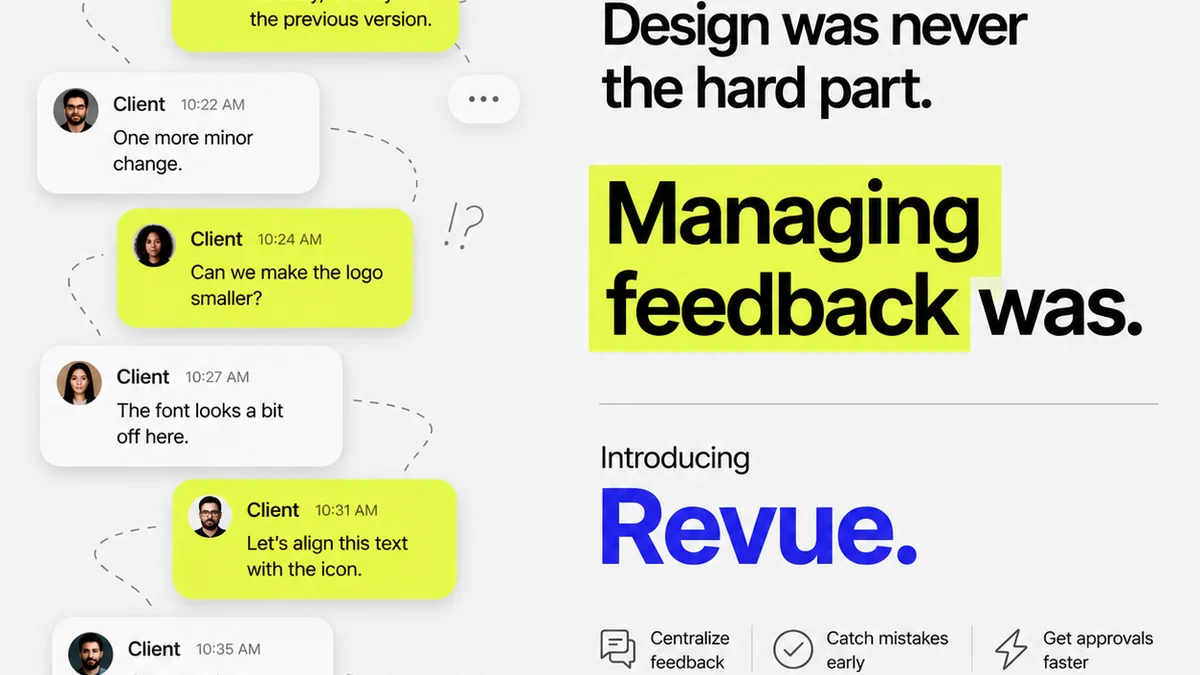
Client feedback. It’s the lifeblood of creative work, but also a notorious black hole for time and profitability.
Many agencies accept messy, unstructured feedback as inevitable. They assume clients will always send emails, scattered comments, and vague instructions.
This assumption is costing you.
It leads to:
- Misinterpretations and costly rework.
- Delayed approvals and missed deadlines.
- Frustrated clients and strained relationships.
- Diminished profit margins as billable hours evaporate.
Systematizing Input, Not Just Collecting It
Your operations framework must define how feedback is collected, processed, and acted upon.
This means:
- Establishing a single source of truth for all project communication and feedback.
- Setting clear expectations with clients on *how* and *when* feedback should be provided.
- Implementing a standardized process for reviewing, prioritizing, and actioning feedback.
- Ensuring feedback is directly tied back to the original brief and project goals.
This transforms feedback from a chaotic burden into a structured input.
The Approval Bottleneck
Approvals are the gatekeepers of progress. When they get stuck, everything stops.
A strong framework anticipates and addresses this:
- Clearly defining who has final approval authority.
- Setting explicit turnaround times for client approvals.
- Building in buffer time for potential delays.
- Having escalation paths for stalled approvals.
This prevents the dreaded
Frequently asked questions
What is a creative operations framework?
A creative operations framework is a structured system of processes, tools, and best practices designed to manage and optimize the execution of creative work within an agency or team. It ensures efficiency, consistency, and profitability from project inception to completion.
Why is a framework important for design agencies?
For design agencies, a framework is crucial for handling client demands, managing complex projects, ensuring profitability, and maintaining team productivity. It provides clarity, reduces chaos, and allows for scalable growth.
How does a framework help with client feedback?
A framework establishes clear channels and processes for collecting, reviewing, and acting on client feedback, preventing misunderstandings, reducing rework, and ensuring feedback aligns with project goals.
Can a framework make creative work more efficient?
Yes, by standardizing workflows, clarifying roles, automating repetitive tasks, and providing clear guidelines, a framework significantly boosts efficiency and reduces bottlenecks in the creative process.