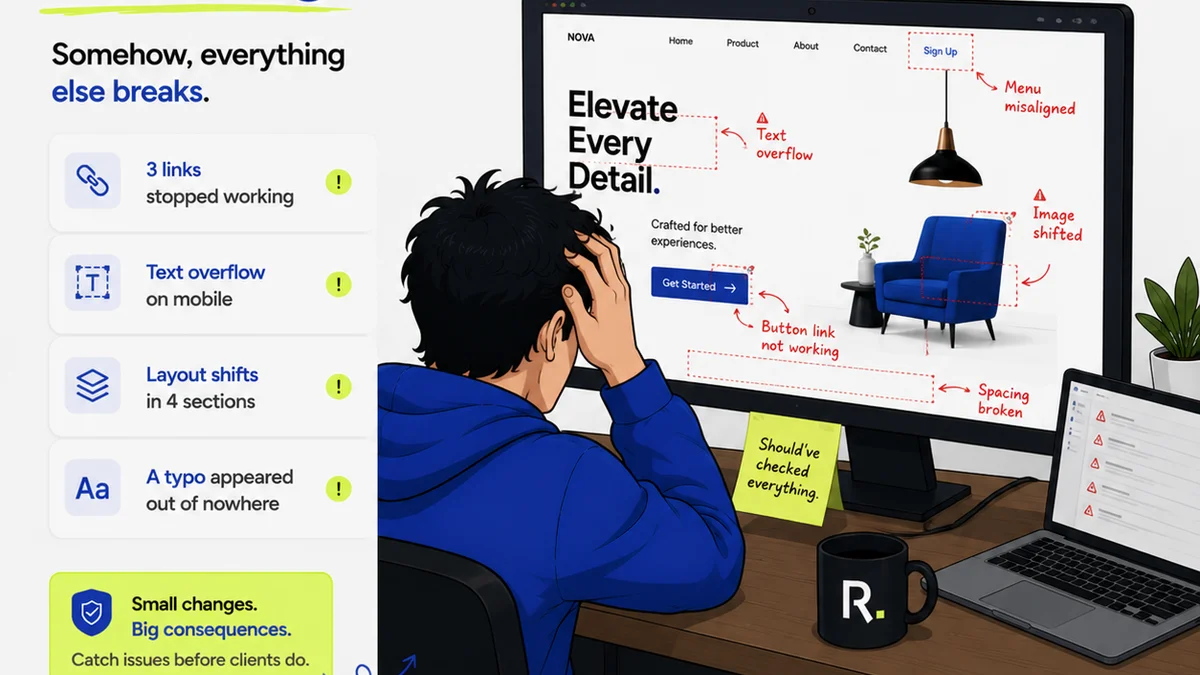
Everyone talks about creative operations. They say it’s about project management, timelines, and budgets. Tools, dashboards, and process.
None of that is wrong. But it’s incomplete.
The deeper truth? Creative operations is the strategic backbone that turns creative potential into predictable, profitable business. It’s the system that ensures your best ideas actually see the light of day, on time and on budget, without burning out your team.
1. What Creative Operations Really Is
At its core, creative operations is the discipline of optimizing the creation and delivery of creative work. It's about building robust systems, processes, and workflows that allow creative teams to do their best work, efficiently and effectively.
Think of it as the operational infrastructure of creativity. Without it, even the most brilliant ideas can get lost in the chaos of execution.
The Myth of the Lone Genius
Many agencies still operate under the illusion that creativity is purely an individual pursuit. That a few brilliant minds can just... create. And that the rest is just admin.
This is a dangerous myth.
Exceptional creative output is almost always the result of a well-oiled machine. It requires collaboration, clear communication, efficient resource allocation, and rigorous quality control. That’s where operations comes in.
The Strategic Imperative
Creative operations isn't just about efficiency; it's a strategic imperative. It directly impacts:
- Profitability: Streamlined processes reduce waste and improve margins.
- Scalability: Efficient operations allow agencies to take on more work without sacrificing quality.
- Client Satisfaction: Predictable delivery and high-quality output build trust.
- Team Morale: Clear workflows reduce stress and frustration, leading to happier, more productive teams.
2. Pillars of Strong Creative Operations
Building a solid creative operations framework involves focusing on several key areas. These aren't isolated functions; they're interconnected components of a larger system.
a. Workflow Management
This is the engine. It’s about mapping out how work gets done, from brief to final delivery. It includes:
- Task definition and assignment
- Process standardization
- Bottleneck identification and resolution
- Automation opportunities
A well-defined workflow eliminates ambiguity and ensures everyone knows their role and the next steps.
b. Resource Management
Getting the right people on the right projects at the right time. This involves:
- Talent allocation based on skills and availability
- Capacity planning to avoid overbooking
- Forecasting future resource needs
- Managing freelance and external talent
Underutilized talent is wasted money. Overbooked talent leads to burnout and missed deadlines.
c. Project Management & Execution
The actual doing. This is where the detailed planning and tracking happen.
- Scope definition and management
- Timeline creation and adherence
- Budget tracking and control
- Risk assessment and mitigation
This is where the rubber meets the road. Flawless execution relies on robust project management.
d. Feedback & Approval Cycles
This is often the biggest friction point. Effective operations mean:
- Clear channels for client and internal feedback
- Standardized revision processes
- Defined approval workflows and sign-offs
- Version control to avoid confusion
Inefficient feedback loops kill momentum and inflate project costs.
e. Quality Assurance (QA)
Ensuring the final output meets or exceeds expectations. This includes:
- Establishing clear quality standards
- Implementing review gates at critical stages
- Final checks against brief requirements
- Brand consistency reviews
QA isn't just a final step; it's built into the process.
f. Technology & Tools
The right tech stack is an enabler, not a solution. It should support your processes, not dictate them.
- Project management software
- Communication platforms
- Asset management systems
- Time tracking tools
- Feedback and proofing tools
The goal is integration and seamless data flow, not a collection of disconnected apps.
3. Implementing Your Creative Operations Strategy
Transforming your agency's operations doesn't happen overnight. It requires a deliberate, phased approach.
Start with the Pain Points
Where are you bleeding time and money? What are the most frequent client complaints? Focus your initial efforts on solving the biggest problems first.
Is it endless revision rounds? Slow client approvals? Overwhelmed producers? Identify the symptoms.
Map Your Current State
Document your existing workflows, even if they're informal. Understand how work *actually* gets done today. This is your baseline.
Talk to your teams. Observe the process. What’s working? What’s broken?
Define Your Future State
Based on your pain points and current state, design your ideal workflows. What should the process look like?
Keep it simple initially. You can add complexity later.
Choose the Right Tools
Select technology that supports your desired workflows. Don't let tools force you into inefficient processes. If a tool doesn't solve a specific problem, you don't need it.
Prioritize tools that integrate well.
Train and Iterate
Implement the new processes and tools. Train your team thoroughly. Then, gather feedback and be prepared to adjust. Operations is not static.
It’s an ongoing practice of refinement.
4. Where Revue Fits In
Creative operations is about managing the flow of work and feedback. It’s about visibility and control.
Revue is built to bring order to the creative chaos, specifically around client feedback and approvals.
Centralized Feedback
Tired of chasing down feedback from scattered emails, Slack messages, and random comments? Revue provides a single source of truth for all client input. Stakeholders can leave comments directly on the creative, eliminating confusion.
Revision and Approval Visibility
Know exactly where a project stands at any given moment. Track the history of revisions, see who approved what, and understand the decision-making process. This transparency is crucial for managing expectations and preventing scope creep.
Streamlined Quality Checks
Ensure your work meets the brief and your agency's standards. By having all feedback and approvals documented in one place, QA becomes a more straightforward process. You can easily reference requirements and ensure all stipulated changes have been made.
Revue helps enforce the operational rigor needed to deliver consistently great work.
5. Final Thought
Creative operations isn't about stifling creativity; it’s about enabling it. It’s about creating the conditions where brilliant ideas can flourish, be executed flawlessly, and deliver maximum value to both the agency and the client.
Are you building a business, or just a collection of talented individuals? The answer lies in your operations.
Frequently asked questions
What is the main goal of creative operations?
The main goal of creative operations is to optimize the creation and delivery of creative work, ensuring efficiency, profitability, quality, and scalability for creative teams and agencies.
How does creative operations differ from project management?
While project management focuses on the execution of individual projects, creative operations is a broader discipline focused on the systems, processes, and infrastructure that support all creative work across an agency or team. It encompasses project management but also includes resource allocation, workflow optimization, technology strategy, and quality assurance.
Why is feedback management so critical in creative operations?
Inefficient feedback loops are a major source of delays, budget overruns, and team frustration. Effective feedback management, often through centralized platforms, ensures clarity, reduces ambiguity, speeds up revisions, and leads to higher client satisfaction.
Can small agencies benefit from focusing on creative operations?
Absolutely. Even small agencies can gain significant advantages by implementing basic operational principles. Focusing on clear workflows, efficient communication, and better feedback management can prevent chaos, improve profitability, and allow for growth.