Everyone talks about the creative process. The spark. The eureka moment. The magic. And sure, that’s important. But anyone who’s actually run a creative agency or an in-house team knows that brilliant ideas don’t deliver themselves.
There’s a whole other engine humming beneath the surface. The one that keeps projects on track, clients happy, and your team from burning out. That engine is creative operations.
Many assume creative operations is just about project management software or setting up Gantt charts. None of that is wrong. But it’s incomplete.
The hard truth? Creative operations is the strategic discipline that orchestrates the people, processes, and technology to deliver creative work at scale, consistently, and profitably.
1. What Exactly ARE Creative Operations?
Beyond the Buzzword
Creative operations, or “cre-ops,” isn’t a new fad. It’s the formalization of what successful creative businesses have always needed: a way to manage the chaos. It’s about making the complex simple. And the impossible, possible.
Think of it as the backbone of your creative output. Without it, even the most talented teams will struggle with:
- Missed deadlines.
- Budget overruns.
- Scope creep.
- Client dissatisfaction.
- Team burnout.
- Poor quality control.
It’s Not Just About Process
Many view ops as a set of rigid rules. A way to stifle creativity. That’s a fundamental misunderstanding. Good creative operations *enables* creativity.
It removes the friction. It clarifies roles. It streamlines communication. It ensures the right resources are available at the right time. This frees up creatives to do what they do best: create.
2. The Core Pillars of Creative Operations
Building a strong cre-ops foundation requires attention to three interconnected areas:
People
Who is doing the work? And how are they supported?
This involves defining roles and responsibilities clearly. It means having the right talent in place, whether that’s internal hires or external partners. It also includes fostering a culture of collaboration and continuous learning.
- Talent acquisition and management.
- Team structure and collaboration models.
- Skill development and training.
- Performance management.
Process
How does the work get done? From brief to final delivery.
This is where workflow design comes in. Standardizing common tasks, defining approval stages, and establishing clear communication protocols are key. It’s about creating predictable, repeatable systems that reduce guesswork and errors.
Key process areas include:
- Briefing and intake.
- Project planning and scheduling.
- Asset management and version control.
- Feedback and revision cycles.
- Quality assurance and final delivery.
- Post-project analysis.
Technology
What tools are used to facilitate people and process?
Technology is the enabler. It’s not the solution itself, but the platform upon which efficient operations are built. This can range from project management software to digital asset management (DAM) systems, communication tools, and specialized creative software.
Critical tech considerations:
- Project management platforms.
- Communication and collaboration tools.
- Digital asset management (DAM).
- Time tracking and billing software.
- Creative software integration.
Each of these pillars must be strong and integrated for effective creative operations.
3. Why is Creative Operations So Important Now?
The Pace of Business
The demand for content is exploding. Clients expect faster turnarounds and more personalized experiences. The digital landscape shifts constantly.
Agencies and internal teams need to be agile. They need to scale rapidly without sacrificing quality.
The Complexity of Projects
Projects are rarely simple anymore. They involve multiple stakeholders, diverse channels, and intricate integrations. Managing this complexity without a solid ops framework is a recipe for disaster.
The Talent War
Top creative talent is in high demand. They want to focus on creative work, not administrative headaches. Good operations attract and retain talent by creating a more organized, less stressful work environment.
Profitability
This is the bottom line. Inefficient processes eat into margins. Unforeseen issues lead to costly delays. Creative operations directly impacts your ability to deliver projects on time and on budget, thereby protecting and improving profitability.
4. Implementing a Creative Operations Framework
Start with an Audit
You can’t fix what you don’t understand. Map out your current workflows. Identify bottlenecks. Talk to your team – they know where the pain points are.
Ask critical questions:
- Where do projects get stuck?
- What information is consistently missing?
- Which tasks are repetitive and time-consuming?
- Are clients getting clear, consolidated feedback?
- Is version control a nightmare?
Define Your Ideal State
Based on your audit, envision what a more efficient workflow looks like. What processes need to be standardized? What technology could help?
Focus on the biggest wins first. Don’t try to overhaul everything at once.
Choose the Right Technology
Select tools that integrate well and solve your specific problems. Avoid adopting tech for tech's sake.
Consider:
- Ease of use for your creative teams.
- Scalability as your business grows.
- Integration capabilities with existing software.
- Support and training resources.
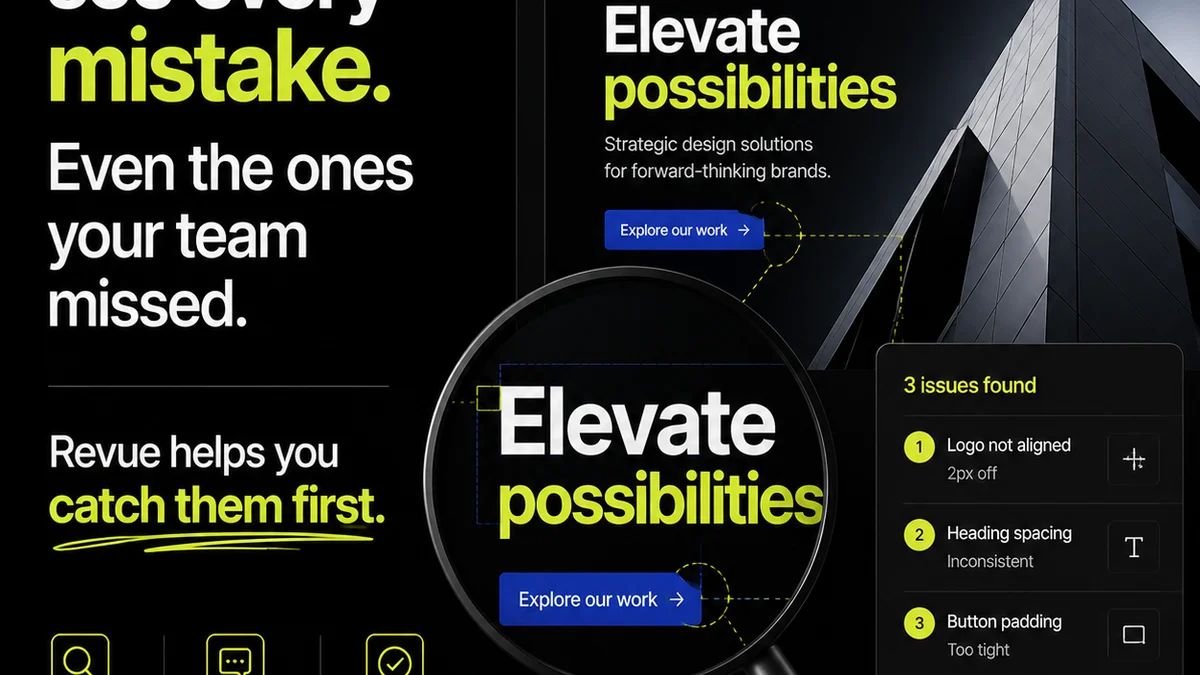
A tool like Revue, for instance, can centralize a critical part of the communication and distribution process.
Document and Train
Once processes are defined and tools are in place, document everything. Create clear SOPs (Standard Operating Procedures).
Train your team thoroughly. Ensure everyone understands their role in the new framework and how to use the tools effectively.
Iterate and Optimize
Creative operations is not a one-and-done project. It’s an ongoing discipline. Regularly review your processes. Gather feedback. Make adjustments as needed.
The market changes. Client needs evolve. Your operations must adapt.
5. Where Revue Fits In
Managing creative feedback and approvals can be a major bottleneck. Emails get lost. Stakeholders provide conflicting input. Revisions pile up without clear direction.
This is a prime area where robust creative operations make a difference.
Revue is designed to streamline the final stages of creative delivery and client communication. It provides a centralized platform for:
- Consolidated Feedback: Gather all client input in one place, reducing the risk of missed comments or conflicting directions.
- Clear Revision Tracking: Maintain visibility over the revision process, ensuring all requested changes are addressed and approved.
- Streamlined Approvals: Create a clear, auditable trail for sign-offs, preventing disputes and accelerating project closure.
- Quality Control: By having a defined process and a central hub for feedback, you naturally build in more opportunities for quality checks before final delivery.
By integrating tools like Revue into your broader creative operations framework, you tackle specific, high-impact friction points, freeing up your team and delighting your clients.
6. Final Thought
The most successful creative agencies and teams aren't just masters of design or strategy. They are masters of execution.
They understand that operational excellence isn't the enemy of creativity; it's its most powerful ally.
Are you building an engine that truly supports your creative vision, or are you just hoping the magic is enough?
Frequently asked questions
What is the difference between project management and creative operations?
Project management focuses on the execution of specific projects (scope, schedule, budget). Creative operations is a broader, strategic discipline that encompasses the systems, processes, and people required to deliver creative work consistently and efficiently across all projects.
How can I measure the success of my creative operations?
Success can be measured by improvements in key metrics such as project turnaround time, budget adherence, client satisfaction scores, team utilization rates, and reduction in rework or errors.
What are the biggest challenges in implementing creative operations?
Common challenges include resistance to change from team members, difficulty in standardizing diverse creative processes, selecting the right technology stack, and securing buy-in from leadership. It requires a strategic, phased approach and strong communication.
Do I need a dedicated Creative Operations Manager?
For smaller teams, responsibilities can be shared. However, as an agency or team grows, a dedicated Creative Operations Manager or lead becomes crucial to drive strategy, implement processes, manage technology, and ensure continuous optimization.