Everyone’s talking about creative operations. It’s the hot new discipline for marketing teams, promising streamlined workflows, faster turnarounds, and happier creatives. Sounds great, right?
None of that is wrong. But it’s incomplete.
The real truth? Creative operations isn’t just about speed or process for process’s sake. It’s about building a predictable, scalable system that consistently delivers high-quality, on-brand creative work without burning out your team or your clients.
It’s the engine that drives your creative output, not just a dashboard of metrics.
1. Defining Creative Operations for Marketing
Let’s cut through the noise. Creative operations, or “creops,” is the discipline that focuses on the people, processes, and technologies required to deliver creative work at scale. For marketing teams, this means everything from campaign asset creation to website updates, social media content, and sales collateral.
It’s easy to think of creops as just project management. But it’s much more.
It’s about:
- Understanding resource capacity and allocating talent effectively.
- Standardizing workflows to reduce friction and errors.
- Implementing technology to automate repetitive tasks and improve collaboration.
- Ensuring brand consistency across all touchpoints.
- Measuring performance and iterating to improve outcomes.
Think of it as the operational backbone that supports your entire creative function.
The Project Manager vs. The Ops Lead
A project manager focuses on a single project: scope, timeline, budget. An ops lead, however, looks at the entire system. They identify bottlenecks, optimize resource allocation across multiple projects, and ensure the team has the tools and processes to succeed long-term.
It’s a shift from reactive to proactive management.
2. The Hidden Costs of Inefficient Creative Workflows
Many marketing teams operate in a state of perpetual creative chaos. This isn’t just annoying; it’s expensive.
What does this chaos look like?
- Endless rounds of revisions based on unclear feedback.
- Assets that miss deadlines because of poor planning.
- Brand inconsistencies that dilute marketing impact.
- Team members constantly context-switching, leading to burnout.
- Missed opportunities because creative capacity is maxed out on low-value tasks.
These aren’t isolated incidents. They are symptoms of systemic issues.
The cost isn’t just in wasted hours. It’s in lost revenue, damaged brand perception, and a demoralized team.
Feedback Loops from Hell
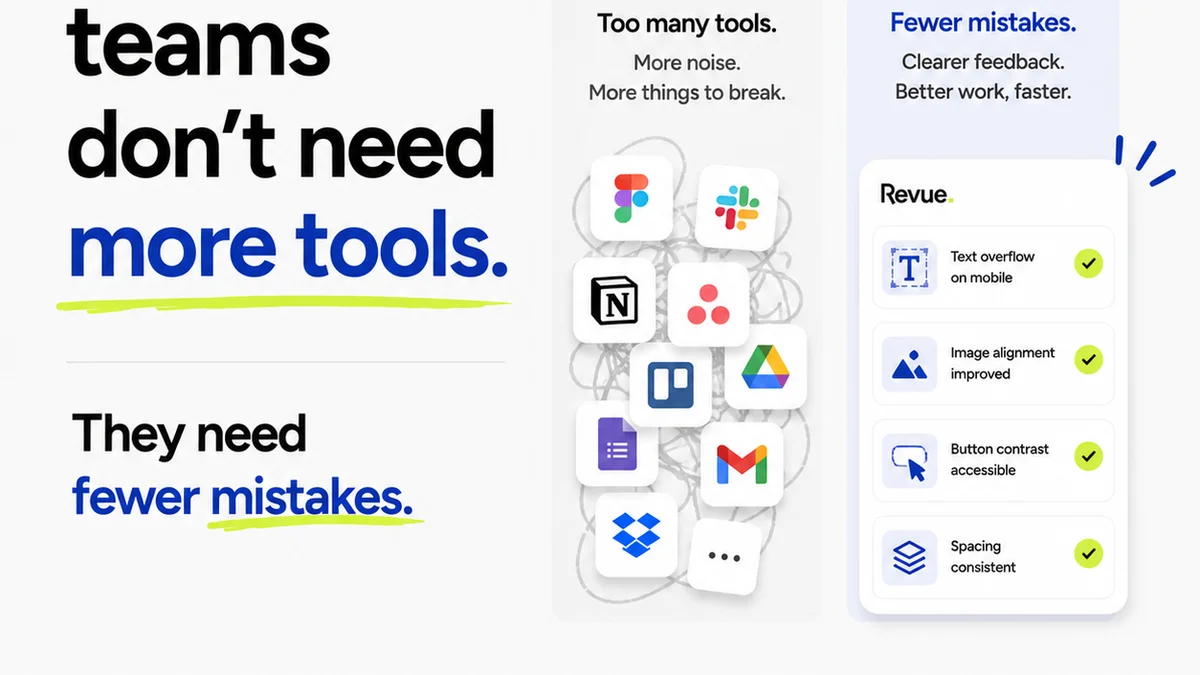
The most common culprit? Broken feedback and approval processes. When feedback is scattered across emails, Slack messages, and random documents, it’s impossible to track, manage, and action effectively. This leads to guesswork, duplicated effort, and significant delays.
It’s a black hole for productivity.
3. Building Your Creative Operations Framework
So, how do you move from chaos to control? You need a framework. This isn’t a rigid set of rules, but a flexible system tailored to your team’s unique needs.
a. Understand Your Current State
Before you can fix anything, you need to see what’s broken. Map out your current creative process from brief to final asset. Identify:
- Key stages and handoffs.
- Tools currently in use.
- Common points of friction or delay.
- Who is involved at each step.
Be honest. This step is critical for identifying where to focus your efforts.
b. Define Your Ideal State
Where do you want to be? What does a smooth, efficient creative process look like for your team?
Consider:
- Clear roles and responsibilities.
- Standardized briefs and feedback templates.
- A centralized system for asset management and approvals.
- Defined Service Level Agreements (SLAs) for creative requests.
This vision guides your implementation.
c. Implement the Right Technology
Technology is an enabler, not a magic bullet. The right tools can automate, streamline, and provide visibility, but they need to fit your workflow.
Key technology areas for creops include:
- Project Management: Tools like Asana, Monday.com, or Trello to track tasks and timelines.
- Asset Management (DAM): Systems to store, organize, and distribute creative assets.
- Collaboration & Feedback: Platforms designed for clear, actionable feedback on creative work.
- Workflow Automation: Tools that can automate repetitive tasks like routing approvals or resizing assets.
The goal is integration, not just adding more disparate tools.
d. Standardize Your Processes
This is where the rubber meets the road. Define clear, documented processes for common workflows.
Examples:
- Request Intake: What information is *required* for a creative request? How is it submitted?
- Briefing: What goes into a creative brief? Who signs off on it?
- Review & Approval: How is feedback collected? Who gives final approval? What are the revision limits?
- Asset Delivery: What are the final file formats and delivery methods?
Document these processes and make them easily accessible to the team.
e. Foster a Culture of Continuous Improvement
Creative operations is not a one-and-done project. It’s an ongoing discipline.
Regularly:
- Gather feedback from your team and stakeholders.
- Analyze performance data (turnaround times, revision cycles, asset usage).
- Identify new bottlenecks or inefficiencies.
- Iterate on your processes and tools.
Your operational framework should evolve as your team and business needs change.
4. Where Revue Fits In
Managing creative feedback and approvals is often the biggest operational headache for marketing teams. When feedback is scattered, unclear, or missed, projects stall, and frustration mounts. This is precisely where a tool like Revue can make a significant impact.
Revue centralizes client and stakeholder feedback directly on the creative assets themselves. Instead of sifting through endless email threads or Slack channels, all comments, annotations, and revisions are in one place, linked to the specific version of the work.
This provides:
- Clear Visibility: Everyone sees the same feedback, reducing miscommunication.
- Actionable Insights: Feedback is contextualized, making it easier for designers to act upon.
- Streamlined Approvals: A clear audit trail tracks who has reviewed and approved, moving projects forward decisively.
- Version Control: Easily compare different versions to track progress and understand changes.
By bringing structure to the often-chaotic feedback loop, Revue helps marketing teams accelerate their revision and approval cycles, ensuring that creative work moves efficiently towards final sign-off and launch.
5. The Human Element: People and Skills
Technology and processes are vital, but they only work if the right people are in place and equipped with the right skills.
Key roles that emerge in mature creative operations functions include:
- Creative Operations Manager/Lead: Oversees the entire creops function.
- Project Manager(s): Manages individual projects within the established framework.
- Resource Manager: Focuses on allocating talent and managing workloads.
- Process Specialist: Documents, refines, and trains the team on workflows.
- Technology Specialist: Manages and optimizes the tech stack.
Beyond specific roles, your team needs to embrace a mindset of efficiency, collaboration, and continuous learning. Training on new tools and processes is essential.
Empower your team with the knowledge and tools to operate effectively.
6. Measuring Success in Creative Operations
How do you know if your creative operations efforts are working? You need to measure.
Focus on key performance indicators (KPIs) that reflect your goals:
- Turnaround Time: Average time from request to final delivery.
- Revision Cycles: Average number of revision rounds per project.
- Resource Utilization: Percentage of time team members are allocated to billable or high-priority work.
- On-Time Delivery Rate: Percentage of projects completed by their deadline.
- Stakeholder Satisfaction: Feedback from internal clients on the process and outcome.
- Asset Compliance: Percentage of assets adhering to brand guidelines.
Track these metrics consistently and use them to inform your optimization efforts.
Final Thought
Creative operations for marketing teams isn't just a trend; it's a fundamental shift in how creative work gets done. It’s about moving beyond ad-hoc execution to building a robust, scalable system. Are you building an engine that consistently delivers, or are you just reacting to the latest creative fire drill?
Frequently asked questions
What is the primary goal of creative operations for marketing teams?
The primary goal is to build a predictable, scalable system that consistently delivers high-quality, on-brand creative work efficiently, without compromising team well-being or client satisfaction.
How is creative operations different from project management?
Project management focuses on individual projects (scope, timeline, budget), while creative operations looks at the entire system. It optimizes resource allocation across multiple projects, standardizes processes, and ensures the team has the right tools and workflows for long-term success.
What are the key components of a creative operations framework?
A framework typically includes understanding the current state, defining the ideal state, implementing appropriate technology, standardizing processes, and fostering a culture of continuous improvement.
How can technology like Revue help with creative operations?
Tools like Revue centralize feedback and approvals directly on creative assets, providing clear visibility, reducing miscommunication, streamlining the review process, and accelerating turnaround times. This addresses a common bottleneck in creative workflows.
What metrics should marketing teams track to measure creative operations success?
Key metrics include turnaround time, number of revision cycles, resource utilization, on-time delivery rate, stakeholder satisfaction, and asset compliance with brand guidelines. These help identify areas for improvement.