Everyone thinks marketing success hinges on brilliant ideas and flashy campaigns. That’s not wrong. But it’s incomplete.
The real magic? It’s happening behind the scenes. It’s the engine that turns those brilliant ideas into delivered reality, on time and on budget. That engine is Creative Operations.
For too long, Ops has been seen as the plumbing. The necessary but unglamorous support function. Keeping the servers running, managing the software licenses, chasing down approvals. That’s a fraction of the story.
Today, Creative Operations is the difference between a marketing team that spins its wheels and one that consistently delivers impactful work. It’s the strategic differentiator. The team that’s becoming indispensable.
1. The Myth: Ops is Just About Process
The common assumption is that Creative Operations is just about enforcing rules and ticking boxes. That it’s a drag on creativity, a necessary evil to manage chaos.
This view is dated. It misunderstands the fundamental shift in how creative work gets done.
The truth is, effective Creative Operations isn’t about stifling creativity; it’s about enabling it at scale. It’s about removing friction so brilliant ideas can actually see the light of day, efficiently and effectively.
The Hard Truth: Ops is About Strategic Enablement
Modern marketing demands speed, agility, and an ever-increasing volume of personalized content across more channels than ever before. The old ways of working – siloed teams, manual handoffs, opaque approval chains – simply don’t cut it.
Creative Operations, when done right, is the strategic layer that:
- Identifies bottlenecks before they become crises.
- Optimizes workflows for maximum throughput and quality.
- Ensures resources (people, budget, tools) are deployed strategically.
- Fosters collaboration and clear communication across diverse teams.
- Provides data and insights to continuously improve creative output.
It’s not just about process; it’s about building a robust, adaptable system for creative execution.
2. The Shifting Landscape: Why Ops Matters More Than Ever
The marketing world has been fundamentally reshaped. Agencies and in-house teams face unprecedented pressures.
Consider the explosion of content demands. Every channel needs fresh assets. Personalization is no longer a nice-to-have; it’s expected. This means more variations, more versions, and a constant need for rapid iteration.
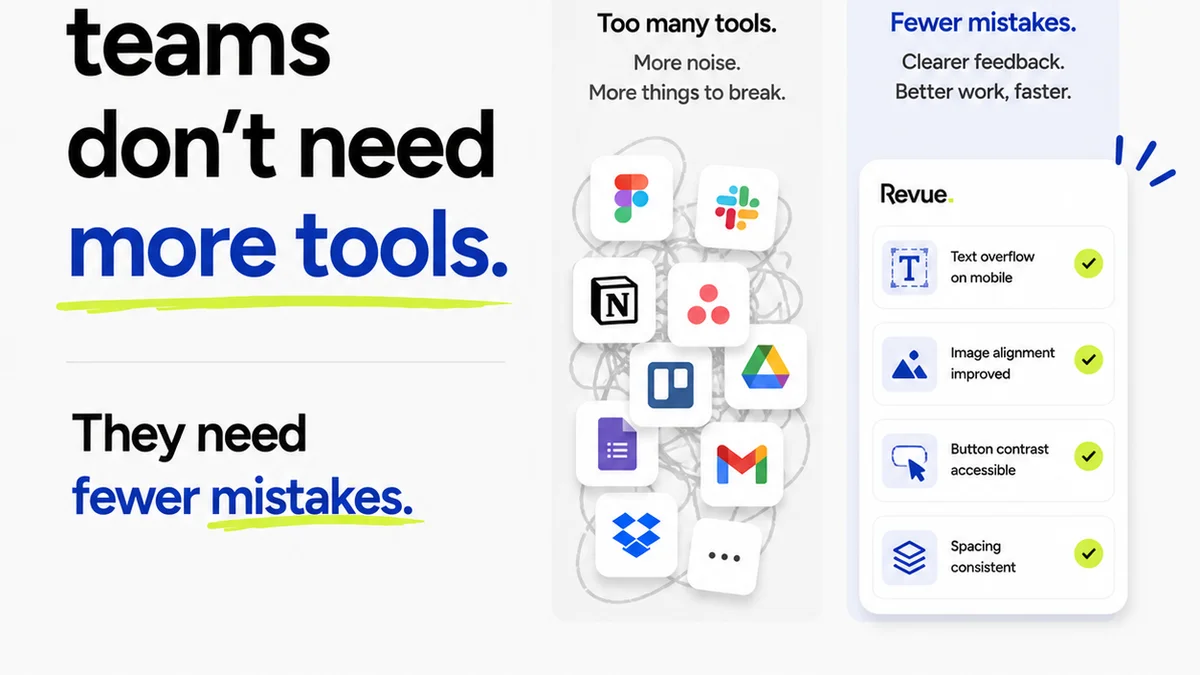
Add to this the complexity of MarTech stacks. Tools that promise efficiency can become productivity drains if not managed cohesively. Integration, training, and strategic deployment are critical.
Then there’s the talent crunch. Agencies and in-house teams are fighting for skilled creatives. Retaining them means creating an environment where they can do their best work, free from administrative burdens and workflow frustrations.
The Core Challenges Demanding an Ops Solution:
- Content Velocity: Producing more content, faster, across more platforms.
- Channel Proliferation: Managing assets for web, social, email, print, video, AR/VR, etc.
- Personalization at Scale: Creating tailored experiences requires complex asset management and dynamic content assembly.
- MarTech Complexity: Integrating and optimizing a growing suite of marketing technologies.
- Remote & Hybrid Work: Ensuring seamless collaboration and visibility across distributed teams.
- Talent Retention: Reducing burnout by streamlining non-creative tasks.
These aren’t minor inconveniences. They are systemic challenges that require a systemic solution. That solution is a mature Creative Operations function.
3. The Pillars of Effective Creative Operations
So, what does a high-performing Creative Ops team actually do? It’s more than just project management.
a. Workflow Optimization and Automation
This is the bedrock. It’s about mapping out every stage of the creative process, from brief to final delivery. Identifying inefficiencies and finding ways to streamline them.
Where can tasks be batched? Where can approvals be standardized? Where can technology automate repetitive steps?
Think about standardizing brief intake forms. Implementing automated file-naming conventions. Setting up templated project structures. These aren’t glamorous, but they save countless hours and prevent costly errors.
b. Technology and Tooling Strategy
The MarTech landscape is a minefield. A strong Ops team doesn’t just implement tools; they build a cohesive ecosystem.
They ensure tools talk to each other. They manage user access and training. They evaluate new technologies not based on hype, but on their ability to solve specific workflow problems and deliver measurable ROI.
This includes Digital Asset Management (DAM) systems, project management software, proofing tools, and collaboration platforms. The goal is integration, not just accumulation.
c. Resource Management and Capacity Planning
Creative talent is expensive and in high demand. Ops ensures this talent is used effectively.
This means understanding team capacity, forecasting project needs, and allocating resources strategically. It’s about preventing burnout by ensuring workloads are manageable and realistic.
It also involves identifying skill gaps and working with leadership to address them through training or hiring.
d. Performance Measurement and Continuous Improvement
What gets measured, gets managed. Ops teams establish key performance indicators (KPIs) for the creative process.
Metrics might include: turnaround time, revision cycles, budget adherence, asset utilization, and stakeholder satisfaction. These aren’t just numbers; they’re insights.
Regularly reviewing these metrics allows the team to identify trends, diagnose problems, and implement targeted improvements. It’s a cycle of learning and adaptation.
e. Governance and Quality Assurance
Ensuring brand consistency and adherence to guidelines across a high volume of assets is crucial. Ops establishes the frameworks for this.
This includes establishing clear brand guidelines, implementing review checkpoints, and ensuring final deliverables meet quality standards before going live.
It’s the safety net that protects the brand and ensures the creative work is effective.
4. Where Revue Fits In
Managing the complexities of creative feedback, revisions, and approvals is a core challenge that Creative Operations teams tackle daily. This is precisely where Revue provides significant value.
Centralizing client feedback within a single platform eliminates the chaos of scattered emails, Slack messages, and disparate documents. This immediately brings clarity and accountability to the review process.
Revue enables clear version control, ensuring everyone is working from and commenting on the latest iteration. This drastically reduces confusion and rework caused by outdated feedback.
The platform’s structured approval workflows provide a transparent and auditable trail, making it easy for Ops teams to track progress, identify bottlenecks, and report on status. This visibility is critical for managing timelines and client expectations.
By streamlining these critical touchpoints, Revue empowers Creative Operations to focus less on chasing feedback and more on strategic workflow optimization and ensuring the final creative output meets the highest quality standards.
5. The ROI of Creative Operations
Investing in a robust Creative Operations function isn't just about efficiency; it's about tangible business results.
Agencies that master Ops can deliver more projects, faster, and with higher quality, leading to increased client satisfaction and retention. This translates directly to revenue growth.
In-house teams can demonstrate their value by reducing production costs, accelerating time-to-market for campaigns, and ensuring brand consistency across all touchpoints, directly impacting the bottom line.
Quantifiable Benefits Include:
- Reduced project overruns and budget waste.
- Faster campaign launch cycles and increased marketing agility.
- Improved creative asset quality and brand consistency.
- Higher team morale and reduced creative burnout.
- Enhanced client or internal stakeholder satisfaction.
- Better utilization of creative talent and technology investments.
The return on investment is clear. Ops isn't a cost center; it's a value driver.
6. Final Thought: Are You Building an Engine or a Hamster Wheel?
Many marketing departments and agencies are running hard, but not necessarily going anywhere fast. They’re caught in cycles of reactive firefighting, endless revisions, and missed deadlines.
This often stems from a lack of strategic operational oversight. The focus remains on the what (the creative idea) and the who (the creative talent), but the how (the process and systems) is underdeveloped.
Creative Operations is the discipline that addresses the how. It’s the strategic imperative for any team serious about delivering exceptional creative work consistently and at scale in today’s complex environment.
The question isn’t whether you need strong Creative Operations. The question is whether you’re ready to build one that truly powers your success, or if you’re content to keep spinning your wheels.
Frequently asked questions
What is the main difference between project management and Creative Operations?
Project management focuses on the execution of individual projects, managing timelines, resources, and budgets for specific deliverables. Creative Operations is a broader, strategic function that optimizes the entire creative process and ecosystem across multiple projects and teams, focusing on systems, workflows, technology, and continuous improvement to enable efficient and high-quality creative output at scale.
How does Creative Operations help retain creative talent?
By streamlining workflows, automating repetitive tasks, and reducing administrative burdens, Creative Operations frees up creatives to focus on their core craft. This minimizes burnout, reduces frustration with inefficient processes, and creates a more supportive and productive work environment, making the agency or team a more attractive place to stay.
Can small agencies benefit from Creative Operations principles?
Absolutely. Even without a dedicated Ops team, small agencies can adopt Creative Operations principles. This involves standardizing common processes (like briefs and feedback), leveraging appropriate technology for collaboration and asset management, and consciously mapping out and optimizing workflows to avoid common bottlenecks. The scale might be smaller, but the principles of efficiency and strategic execution remain crucial.
What are the key metrics for measuring Creative Operations success?
Key metrics often include project turnaround time, number of revision cycles per project, budget adherence, resource utilization rates, asset reuse, stakeholder satisfaction scores, and time saved through automation. These metrics help quantify the impact of Ops initiatives and identify areas for further improvement.