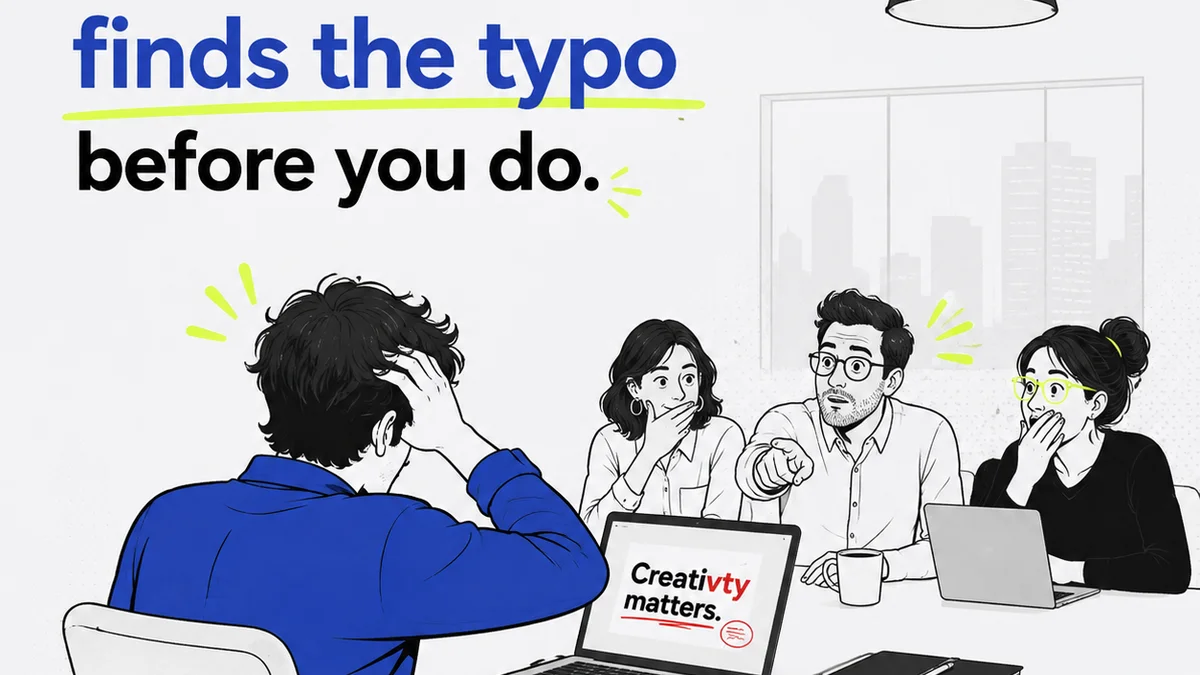
Everyone thinks creative operations is about hiring the best talent. Get the right designers, writers, and strategists, and the work flows. Clients are happy. Profits soar.
None of that is wrong. But it’s incomplete.
The hard truth about creative operations? It’s not about the *people*. It’s about the *process*. The real bottleneck isn't a lack of talent; it's a lack of clarity. It’s the friction points, the communication breakdowns, the endless rounds of rework that kill capacity and tank morale.
1. The "We're Too Busy" Fallacy
Agencies love to say they’re “too busy” to implement better systems. That’s a badge of honor they wear like a war scar. It implies high demand, critical importance.
But here’s the contrarian take: If you’re *always* too busy, you’re not busy. You’re just inefficient.
This isn't about being lazy or unproductive. It's about being stuck in reactive mode, constantly fighting fires instead of building a sustainable operation. You’re busy doing the *same things* poorly, over and over.
Symptoms of the "Too Busy" Trap
- Constant context switching between projects.
- Last-minute scrambles and rushed deadlines.
- Team members working late nights regularly.
- Clients complaining about slow turnaround times.
- A general feeling of chaos and overwhelm.
The real cost isn't just overtime. It’s the lost opportunity to take on *more* profitable work, to innovate, to actually *enjoy* the creative process.
2. The Feedback Black Hole
Client feedback is the lifeblood of creative work. But most agencies treat it like a black hole: input goes in, and you hope for the best, with no visibility into what’s happening.
This is where projects go to die. Vague feedback, buried emails, conflicting opinions from different stakeholders – it’s a recipe for disaster.
You’re not just managing revisions; you’re managing expectations and ensuring clarity at every single step.
Common Feedback Fails
- Feedback buried in long email threads.
- Verbal feedback that’s never documented.
- Conflicting feedback from different client contacts.
- Unclear, subjective comments like “make it pop.”
- No clear process for approving final assets.
Without a centralized system, feedback becomes a game of telephone, where critical details get lost or distorted. This leads to endless revisions and frustrated teams.
3. Siloed Information and Tools
Every agency has a stack of tools. Project management software, file sharing, communication apps, design software. They’re supposed to make things easier.
But when these tools don't talk to each other, they create more silos. Information lives in one place, feedback in another, final files somewhere else entirely.
Your team spends more time hunting for information than actually creating.
This fragmented workflow is a silent killer of productivity. It breeds errors and wastes precious hours.
The Cost of Disconnected Tools
- Wasted time searching for assets.
- Duplicated work because previous versions can’t be found.
- Miscommunication due to outdated information.
- Onboarding new team members becomes a nightmare.
- Difficulty tracking project history and decisions.
A truly efficient operation requires tools that integrate, that create a single source of truth. Otherwise, you’re just adding complexity.
4. Neglecting Quality Assurance
“We’ll catch it before it goes out.” Famous last words.
Many agencies skip formal QA, assuming their review process is enough. They rely on designers to self-check, or the last person to see it before sending. This is a dangerous gamble.
Quality assurance isn't just about proofreading. It's about ensuring every asset meets brand standards, technical specifications, and client requirements consistently.
Why Formal QA Matters
- Prevents embarrassing errors (typos, broken links, incorrect logos).
- Ensures brand consistency across all deliverables.
- Confirms technical specifications are met (file formats, dimensions, color profiles).
- Reduces client complaints about minor details.
- Builds client trust through reliable output.
A robust QA process acts as the final gatekeeper, protecting your agency’s reputation and your client’s investment.
5. The Myth of the "Unmanageable" Creative
There’s a persistent myth that creatives are inherently difficult to manage. That they resist structure, deadlines, and process.
This often comes from leaders who haven't built processes that *support* creativity, but rather *restrict* it.
When creatives feel their work is constantly being derailed by administrative chaos, they push back. It’s not a personality flaw; it’s a rational response to a broken system.
Give them clear briefs, organized feedback, and efficient workflows, and they’ll thrive.
Empowering Creatives Through Process
- Clear, concise creative briefs upfront.
- Defined revision rounds with specific feedback.
- Visibility into project timelines and dependencies.
- Tools that automate repetitive tasks.
- A culture that values efficiency as much as creativity.
Good operations don't stifle creativity; they enable it by removing the friction.
Where Revue Fits In
Managing creative projects means wrangling feedback, tracking revisions, and ensuring quality. It’s the engine room of your agency.
Revue is built to bring order to that chaos.
It centralizes client feedback, making it impossible for comments to get lost in email chains. Every stakeholder’s input is captured in one place, linked directly to the creative asset.
Revision and approval workflows become crystal clear. You know exactly where a project stands, who needs to weigh in, and what the next step is. This eliminates guesswork and reduces bottlenecks.
And by standardizing the review process, Revue naturally supports more rigorous quality checks before final delivery. It’s about creating a more predictable, reliable creative output.
Final Thought
Your agency’s operational backbone determines its ceiling for growth, profitability, and creative excellence. Stop treating operations as an afterthought. Start seeing it as your most strategic advantage.
Are you building systems that empower your team, or are you just busy?
Frequently asked questions
What is the biggest mistake agencies make in creative operations?
The biggest mistake is focusing solely on hiring talent rather than optimizing processes. Agencies often believe more talented people will solve workflow issues, but inefficient systems, poor communication, and lack of clarity are the real culprits.
How can I improve client feedback management?
Centralize all feedback in one platform. Use tools that allow clients to comment directly on assets, ensuring no feedback gets lost in emails or phone calls. Define clear feedback rounds and require specific, actionable comments.
Why is a formal Quality Assurance (QA) process important?
A formal QA process prevents embarrassing errors, ensures brand consistency, confirms technical specifications are met, and builds client trust. It acts as a crucial final check before deliverables are sent, protecting your agency's reputation.
How can I make my creative team more efficient without stifling creativity?
Provide clear briefs, structured feedback loops, and efficient tools. Automate repetitive administrative tasks and ensure visibility into project timelines. Good operations remove friction, allowing creatives to focus on their best work.