Everyone talks about creative operations. They talk about efficiency. They talk about streamlining workflows. They talk about getting more done with less.
None of that is wrong. But it’s incomplete.
The hard truth? You can’t build effective creative operations on good intentions alone. You need a robust, repeatable process. Without one, you’re just reacting. You’re putting out fires. You’re hoping for the best.
That’s not a strategy. That’s chaos.
Building a process around your creative operations isn’t about adding bureaucracy. It’s about creating clarity. It’s about predictability. It’s about ensuring quality, every single time.
Let’s break down how to do it.
1. Define Your Core Workflows
Before you can process anything, you need to know what you’re processing. What are the fundamental steps involved in your creative projects?
Think about the entire lifecycle of a piece of creative work, from initial brief to final delivery.
The Briefing Phase
This is where it all starts. A clear, comprehensive brief is non-negotiable. What information absolutely *must* be captured at this stage?
- Client name and contact
- Project name and description
- Objective and goals
- Target audience
- Key messages
- Deliverables and formats
- Mandatories (logos, taglines, legal disclaimers)
- Budget and timeline
- Existing brand assets and guidelines
- Competitor landscape
A poorly defined brief is the root of so many downstream problems. It’s the single biggest predictor of scope creep and client dissatisfaction.
The Creative Development Phase
This is the engine room. What are the distinct stages here? Concepting? Design? Copywriting? Asset creation?
Map out the handoffs. Who owns what? What are the review points internally before client-facing work happens?
The Review and Approval Phase
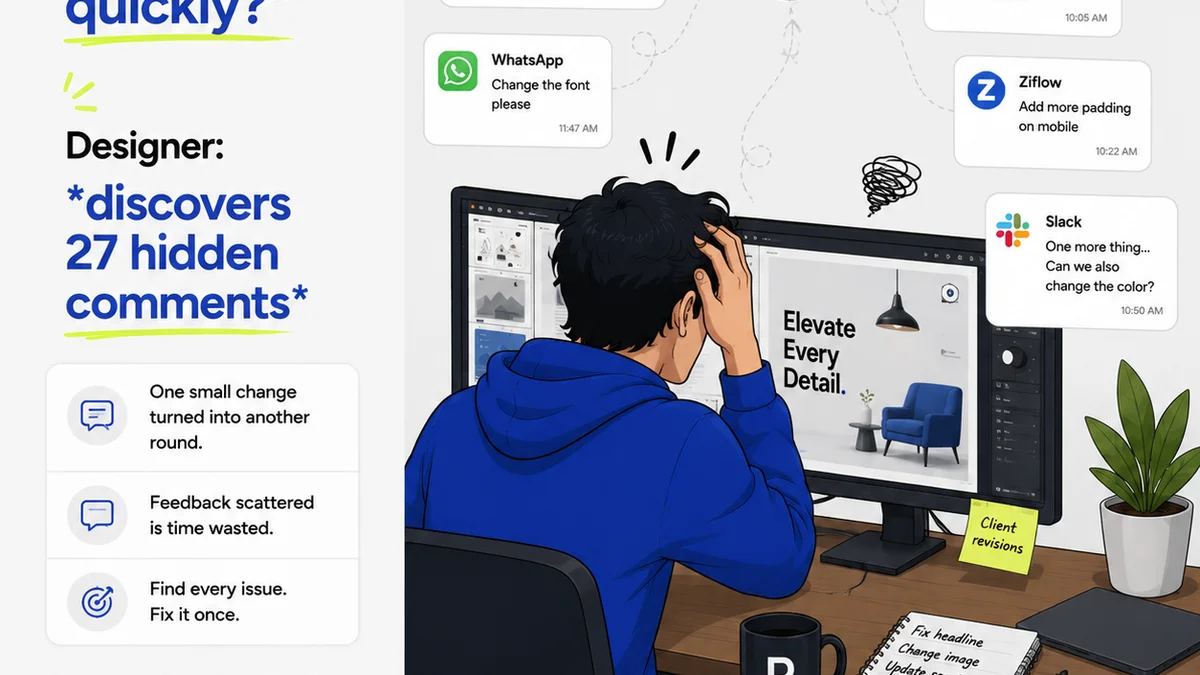
This is where most projects get bogged down. How are stakeholders providing feedback? Who is consolidating it? How are revisions being tracked?
This phase is a prime candidate for process optimization. Scattered feedback, unclear approvals, and endless revision cycles are death by a thousand cuts.
The Delivery and Archiving Phase
How are final assets delivered? What format? What naming conventions are used?
And critically, where are they stored? Is there a central repository for final, approved assets?
2. Standardize Your Inputs and Outputs
Once you’ve mapped your workflows, you need to standardize them. This means defining clear rules for what goes in and what comes out at each stage.
Think of it like an assembly line. Each station has specific requirements for what it receives and what it produces.
Standardizing Briefs
Create a master brief template. Make it mandatory for all new projects. Train your account managers and project managers to fill it out thoroughly. Use checklists to ensure nothing is missed.
This isn’t about stifling creativity; it’s about providing a solid foundation so creativity can flourish without getting derailed.
Standardizing Deliverables
Define precise specifications for each type of deliverable. For web banners, what are the exact dimensions, file types, and color profiles?
For social media posts, what are the aspect ratios for each platform? What about character limits for copy?
This reduces ambiguity for designers and developers. It ensures consistency across campaigns.
Standardizing Feedback
This is a big one. How do you collect feedback? Email? Slack? Random documents?
Centralize it. Use a dedicated tool. Define who provides feedback and when. Set expectations for the *type* of feedback – constructive, actionable, and aligned with the brief.
Unstructured feedback is a killer. It’s impossible to track, easy to misinterpret, and leads to endless back-and-forth.
3. Implement Clear Handoffs and Accountability
A process is only as good as its handoffs. Where does one person’s responsibility end and another’s begin?
Ambiguity here leads to dropped balls and missed deadlines.
Role Definition
Clearly define the roles and responsibilities at each stage of the workflow. Who is the project manager? Who is the lead designer? Who is the final approver?
Ensure everyone understands their part and the expectations placed upon them.
Checkpoints and Gates
Build in formal checkpoints. These are points where work is reviewed and approved before moving to the next stage.
These aren’t just for client reviews. They are internal gates too. A design concept should be approved by the creative director before it’s sent to the client.
Without these gates, flawed work can advance, wasting time and resources.
Communication Protocols
Define how communication should happen. Should internal questions go through the project manager? Should client feedback be funneled through account services?
Establish preferred channels for different types of communication. This prevents information silos and ensures everyone is working from the same playbook.
4. Leverage Technology Wisely
Technology isn’t a silver bullet, but it’s an essential enabler for process. The right tools can automate, centralize, and track your workflows.
Don’t just buy software for the sake of it. Choose tools that solve specific problems within your defined processes.
Project Management Software
Tools like Asana, Monday.com, or Trello can help map out tasks, assign owners, and track progress. But they need to be configured to match your actual workflows.
Digital Asset Management (DAM)
A DAM system is crucial for storing, organizing, and retrieving final assets. It prevents the dreaded
Frequently asked questions
What are the key benefits of having a defined creative operations process?
A defined process leads to greater efficiency, reduced errors, faster turnaround times, improved quality consistency, better resource allocation, and increased client satisfaction.
How do I get my team to adopt a new process?
Involve your team in defining the process, clearly communicate the benefits, provide thorough training, lead by example, and solicit feedback for continuous improvement.
What's the difference between creative operations and project management?
Creative operations focuses on the overarching systems, workflows, and infrastructure that support creative production. Project management focuses on the execution of individual projects within those systems.
How often should I review and update my creative operations process?
It's best to review your processes regularly, at least quarterly or bi-annually, and especially after major projects or when introducing new tools or team members. Adaptability is key.