Everyone talks about creative operations. The buzzwords are everywhere: efficiency, scalability, process improvement. It’s easy to dismiss it all as just another flavor of project management. A fancy title for keeping things on track.
None of that is wrong. But it’s incomplete.
The real story of creative operations is far more strategic. It’s about building a sustainable engine for creative work, one that doesn’t burn out your talent or bleed your clients dry. It’s the unsung hero behind consistently great creative output, especially in today’s complex, fast-paced agency environment.
1. The Illusion of Creative Freedom
Agencies often pride themselves on fostering a free-flowing, uninhibited creative environment. The assumption is that rigid processes kill creativity. That structure is the enemy of inspiration.
This is a dangerous myth.
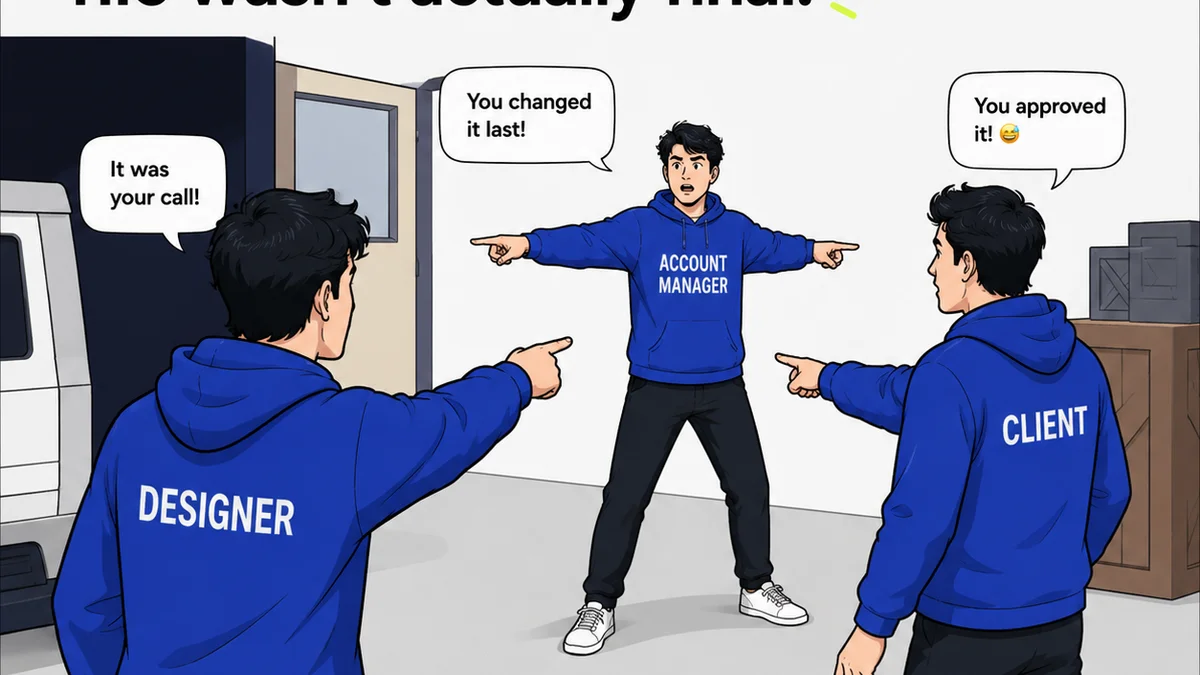
Unfettered freedom leads to chaos. And chaos doesn’t breed brilliance; it breeds missed deadlines, scope creep, and frustrated clients. It leads to talented creatives spending more time chasing down approvals or fixing preventable errors than actually creating.
The Hidden Costs of Chaos
What does this chaos look like in practice?
- Endless, unstructured feedback loops.
- Unclear ownership and accountability for tasks.
- Inconsistent file naming and version control.
- Wasted hours in unproductive status meetings.
- Burnout among account managers and project managers trying to herd cats.
- Clients who don’t know what to expect, when.
This isn't creative freedom; it's operational dysfunction disguised as artistic license. The hard truth is that creativity thrives within a well-defined framework. Not a cage, but a structure that supports and amplifies it.
2. Creative Operations as a Strategic Lever
This is where creative operations truly shines. It’s not about adding bureaucracy; it’s about building the infrastructure that allows creativity to flourish at scale.
Think of it like this: A symphony orchestra needs a conductor, sheet music, and a schedule. Without these, even the most talented musicians would struggle to produce a cohesive, impactful performance. Creative operations provides that essential structure for creative teams.
Key Pillars of Effective Ops
Effective creative operations typically focuses on several core areas:
- Process Optimization: Streamlining workflows from brief to final delivery, identifying bottlenecks, and implementing best practices. This includes standardized intake processes, clear revision stages, and defined approval gates.
- Resource Management: Ensuring the right people are on the right projects at the right time, balancing workload, and forecasting future needs. It’s about maximizing utilization without overworking your team.
- Technology Enablement: Selecting and implementing the right tools to support creative production, collaboration, and asset management. This isn't about having the most tools, but the *right* tools integrated effectively.
- Performance Measurement: Tracking key metrics related to project timelines, budget adherence, client satisfaction, and team productivity. Data-driven insights are crucial for continuous improvement.
- Risk Mitigation: Proactively identifying and addressing potential issues, from scope creep and budget overruns to quality control and compliance.
These aren’t just administrative tasks. They are strategic decisions that directly impact an agency’s profitability, client relationships, and its ability to attract and retain top creative talent.
3. The Technology Stack: More Than Just Tools
A common misconception is that creative operations is simply about implementing a new project management tool. While technology is a critical component, it’s not the entire solution.
The right tech stack acts as the central nervous system for your agency’s creative output. It connects the dots between different teams, processes, and clients.
What a Well-Oiled Tech Stack Looks Like
A robust creative operations technology stack might include:
- Project Management Software: For task tracking, scheduling, and resource allocation.
- Digital Asset Management (DAM): For organizing, storing, and retrieving creative assets.
- Client Feedback & Approval Tools: To centralize communication and streamline sign-offs.
- Time Tracking & Billing Software: For accurate project costing and invoicing.
- Collaboration Platforms: For real-time communication and file sharing.
The key is integration. Tools should talk to each other, creating a seamless flow of information. Siloed tools create more work, not less.
A well-integrated stack reduces manual data entry, minimizes errors, and provides a single source of truth for project status and assets. It frees up your team from administrative drudgery.
4. Building a Culture of Operational Excellence
Technology and process are only part of the equation. The human element is paramount.
Creative operations isn't about imposing rigid rules that stifle innovation. It’s about fostering a culture where operational excellence is valued alongside creative excellence.
Shifting Mindsets
This requires a shift in mindset for everyone, from leadership to junior creatives:
- Embrace Transparency: Everyone understands project goals, timelines, and their role.
- Encourage Accountability: Clear ownership means fewer dropped balls.
- Value Efficiency: Recognize that smart processes make more time for great work.
- Promote Collaboration: Break down silos between creative, account, and production teams.
- Champion Continuous Improvement: Be open to feedback and iterative changes to workflows.
When your team understands *why* certain processes are in place—because they lead to better outcomes and less stress—they are more likely to buy in. It becomes a shared goal, not a top-down mandate.
5. Where Revue Fits In
This is where a platform like Revue becomes essential for modern creative operations. It directly addresses some of the biggest pain points in the creative feedback and approval process.
Centralized Client Feedback: Instead of sifting through endless email threads or Slack messages, Revue provides a single, organized space for all client comments. This eliminates confusion about which feedback is current and prevents crucial notes from getting lost.
Streamlined Revision Management: With clear version control and the ability to track revisions directly on the creative asset, teams can manage the iterative process efficiently. Everyone sees the latest version and the history of changes, reducing errors and misunderstandings.
Clear Approval Visibility: Revue offers a transparent way to manage the approval workflow. Stakeholders can see what needs their sign-off, and teams have a clear record of approvals, which is critical for project closure and client sign-off.
Quality Control Support: By centralizing feedback and approvals, Revue naturally supports quality checks. It ensures that all required feedback has been addressed and all necessary approvals obtained before final delivery.
Revue isn't a magic bullet, but it’s a powerful component of a well-functioning creative operations strategy. It tackles a notoriously messy part of the workflow and brings much-needed order and clarity.
Final Thought
The rise of creative operations isn't just a trend; it's a necessary evolution for agencies and in-house teams that want to deliver consistently excellent creative work without sacrificing their people or their profitability. It’s about building a smarter, more sustainable way to create.
Are you building an engine for creativity, or just managing the chaos?
Frequently asked questions
What is the primary goal of creative operations?
The primary goal of creative operations is to streamline workflows, optimize resource allocation, and leverage technology to enable creative teams to produce high-quality work more efficiently and consistently. It aims to remove obstacles so creativity can flourish.
How does creative operations differ from project management?
While project management focuses on the execution of a specific project (scope, timeline, budget), creative operations is a broader, strategic function that oversees the entire ecosystem of creative production. It encompasses process, technology, resource management, and performance across multiple projects and the team as a whole.
Is creative operations only for large agencies?
No, creative operations principles are valuable for agencies and in-house teams of all sizes. Smaller teams might implement simpler versions, focusing on core processes like client feedback and asset management, while larger organizations may have dedicated ops teams and more complex systems.
How can technology support creative operations?
Technology is a critical enabler. Tools for project management, digital asset management (DAM), client feedback and approvals, and collaboration platforms help centralize information, automate tasks, improve communication, and provide data for performance analysis. The key is integration.
What is the role of people in creative operations?
People are central. Creative operations aims to create a culture of operational excellence that supports, rather than hinders, creativity. This involves clear communication, accountability, transparency, and continuous improvement, ensuring that processes serve the team and the creative output.