Everyone talks about creative operations technology. They’ll tell you it’s about efficiency. About speed. About delivering more for less.
None of that is wrong. But it’s incomplete.
The real hard truth? The right creative operations technology isn't about doing more, faster. It's about doing the right things, with less friction, so your team can do their best creative work.
1. The Assumption: More Tools = Better Workflow
The common wisdom is that a sprawling tech stack is a sign of a sophisticated operation. More integrations, more specialized apps, more data feeds. It’s a badge of honor for some.
This leads agencies to chase the latest shiny object. A new AI-powered asset manager. A cutting-edge project management tool. A revolutionary feedback platform.
Then they get stuck trying to make them all talk to each other. Or worse, they don't use half the features.
It’s a recipe for complexity, not clarity.
2. The Hard Truth: Purpose-Built Technology Solves Specific Problems
Your creative operations technology checklist shouldn't be about accumulating tools. It should be about identifying specific bottlenecks and choosing technology that directly addresses them.
Think of it like a surgeon’s toolkit. Each instrument has a precise function. You wouldn’t use a scalpel to hammer a nail.
The goal is a streamlined, integrated ecosystem. Not a digital junkyard.
2.1. Identify Your Core Problems First
Before you even look at software, look at your workflow. Where are the most painful points?
- Are projects constantly falling behind schedule?
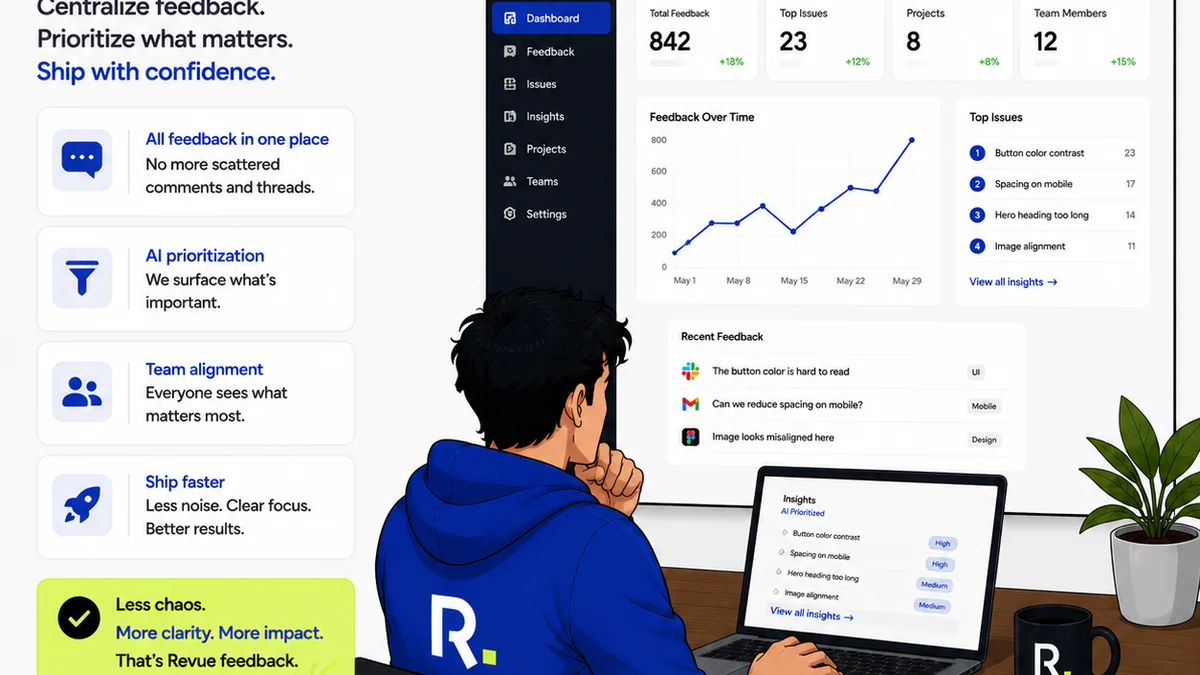
- Is client feedback scattered across emails, Slack, and random documents?
- Are revisions taking longer than they should because of miscommunication?
- Is quality control a manual, time-consuming process?
- Are you struggling to track project status and resource allocation?
- Is asset management chaotic and inefficient?
These aren't minor annoyances. They are systemic issues that technology can solve, but only if you know what you’re solving *for*.
2.2. Prioritize Integration, Not Just Features
A standalone tool, no matter how powerful, is often a dead end. The real value comes when your technology works together.
Consider this:
- Does your project management tool integrate with your time tracking?
- Can your creative review platform push approved assets directly into your DAM or cloud storage?
- Does your client communication tool feed into your project briefs?
Seamless data flow reduces manual input, minimizes errors, and provides a single source of truth. This is the foundation of efficient creative operations.
3. The Creative Operations Technology Checklist: Essential Categories
Your checklist should cover the critical functions that drive creative production. Don't aim for exhaustive; aim for essential.
3.1. Project Management & Workflow Automation
This is the engine of your operation. It needs to handle task assignment, scheduling, progress tracking, and resource allocation.
- Core Features: Task creation/assignment, Gantt charts or Kanban boards, customizable workflows, time tracking, resource management, reporting dashboards.
- Integration Needs: Communication tools (Slack, Teams), file storage (Dropbox, Google Drive), client feedback platforms.
- The Goal: Clear visibility into who is doing what, by when, and if they have the capacity. Automation should handle repetitive tasks, freeing up managers and creatives.
3.2. Client Feedback & Approvals
This is where many agencies hemorrhage time and goodwill. Scattered feedback, endless revision cycles, and lost approvals are common.
- Core Features: Centralized feedback capture (annotations on images, video, PDFs), version control, clear approval workflows, client-side dashboards, audit trails.
- Integration Needs: Project management tools, file storage.
- The Goal: A single, unambiguous record of all feedback and decisions. Eliminate
Frequently asked questions
What are the key components of a creative operations technology stack?
A robust stack typically includes project management, client feedback and approvals, asset management, time tracking, and communication tools, all integrated to streamline workflows.
How do I choose the right creative operations technology for my agency?
Start by identifying your specific workflow bottlenecks and pain points. Then, prioritize tools that solve those problems directly and integrate well with your existing systems. Focus on purpose-built solutions over generic ones.
Is it better to have many specialized tools or a few all-in-one solutions?
The ideal is often a balance. While all-in-one solutions offer simplicity, specialized tools can provide deeper functionality for critical areas like client feedback or asset management. The key is ensuring seamless integration between them.
How can technology improve client communication and feedback cycles?
Centralized feedback platforms eliminate scattered communication, provide clear version control, and create an audit trail for approvals. This reduces misunderstandings and speeds up the revision process significantly.