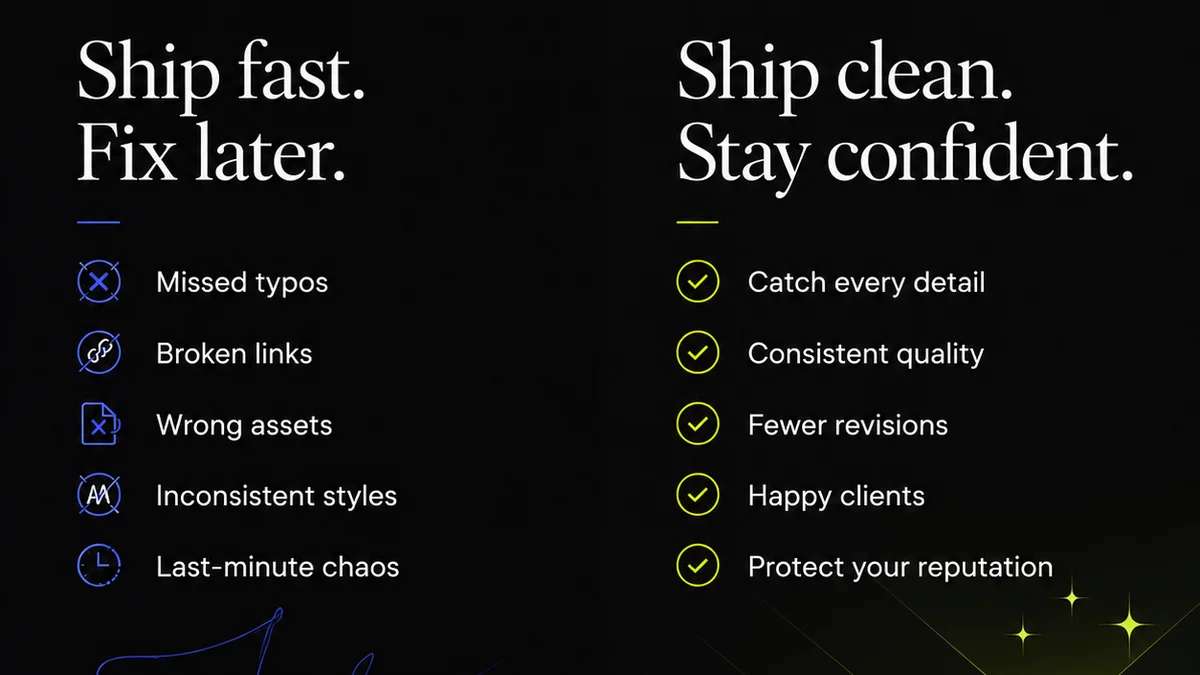
Everyone talks about creative operations workflows like they’re magic spells. Mentioning them conjures images of seamless handoffs, zero bottlenecks, and perfectly delivered projects, every single time.
None of that is wrong. But it’s incomplete.
The real story of creative operations workflow isn't about the *ideal* state; it’s about the messy, iterative process of building one that actually works for *your* team. It’s less about the destination and more about the daily grind of making things smoother, faster, and more predictable. It's about managing the chaos, not eliminating it.
1. The Myth of the 'Perfect' Workflow
The biggest assumption? That there's a one-size-fits-all workflow that guarantees success. This leads agencies and in-house teams down a rabbit hole of trying to copy-paste systems that were built for entirely different contexts.
Your workflow is a reflection of your team's unique strengths, weaknesses, client demands, and project types. What works for a small boutique agency specializing in branding will be a disaster for a large in-house team managing global campaigns.
The hard truth is that a truly effective creative operations workflow is built, not bought. It’s a living, breathing system that requires constant attention, adaptation, and buy-in from everyone involved.
Common Workflow Pitfalls
- Unclear briefs leading to wasted revisions.
- Lack of standardized processes for common tasks.
- Poor communication channels, causing information silos.
- Inadequate resource allocation, leading to burnout.
- No clear system for tracking project status and approvals.
- Insufficient quality control gates before final delivery.
These aren't signs of a bad team; they're signs of an unoptimized workflow. And optimization is a journey, not a destination.
2. Deconstructing Your Current Process
Before you can build a better creative operations workflow, you need to understand what you're doing now. And be honest about it.
Most teams think they know their process, but when you dig deeper, the reality is often a patchwork of individual workarounds and tribal knowledge.
Mapping the Journey
Start by mapping out the lifecycle of a typical project. Don't just list the stages; detail the handoffs, the decision points, and the tools used at each step.
Consider these phases:
- Briefing: How are client needs captured? Who defines scope?
- Discovery & Research: What information is gathered? How is it organized?
- Concepting & Ideation: Where do ideas come from? How are they presented?
- Design & Development: Who works on what? What tools are used?
- Feedback & Revisions: How is feedback collected? How are revisions managed?
- Approvals: Who signs off? What constitutes a final approval?
- Production & Delivery: How are final assets prepared? How are they delivered?
- Post-Project Analysis: What lessons are learned?
Identify the Friction Points
As you map, actively look for where things get stuck, delayed, or misunderstood. These are your friction points. They are the enemy of efficient creative operations.
Ask yourself:
- Where do projects sit idle waiting for input?
- Which stages consistently take longer than expected?
- Are there specific individuals or teams that are perpetual bottlenecks?
- Is feedback often vague, contradictory, or delayed?
- Do approvals get lost or forgotten?
This isn't about blame. It’s about data. You need to see the operational reality clearly to make impactful changes.
3. Building Blocks of an Effective Workflow
Once you understand your current state and have identified your pain points, you can start constructing a more robust creative operations workflow. This involves establishing clear systems and expectations.
Standardization is Key
Standardize where possible. This doesn't mean stifling creativity; it means creating predictable frameworks so your team can focus their creative energy on the actual work, not on figuring out how to start it.
Examples of standardization:
- Briefing Templates: Ensure all essential information is captured upfront.
- Project Kick-off Calls: Standardize the agenda and required attendees.
- File Naming Conventions: Consistent naming prevents confusion.
- Asset Delivery Checklists: Ensure all required files and formats are included.
- Feedback Protocols: Define who gives feedback, when, and how it should be delivered.
Clear Roles and Responsibilities
Ambiguity here is a killer. Everyone needs to know what they are responsible for, what decisions they can make, and who they need to consult.
Use RACI charts (Responsible, Accountable, Consulted, Informed) for complex projects or workflows to clarify ownership.
Defined Handoffs
Each transition between team members or stages needs to be crystal clear. What does the person receiving the work need? What information must accompany it? What is the expected turnaround time?
A common mistake is assuming the next person knows what to do or has all the context. Always over-communicate context at handoffs.
Documentation and Knowledge Sharing
Your workflow should be documented. This isn't just for new hires; it's a reference for everyone.
Create internal wikis, process guides, or even short video walkthroughs for key procedures. This reduces reliance on individuals and ensures consistency.
4. The Role of Technology in Creative Operations
Technology isn't a magic bullet, but the right tools can be game-changers for your creative operations workflow. They automate, organize, and provide visibility.
Think of tools that support:
- Project Management: Tools like Asana, Monday.com, or Jira help track tasks, deadlines, and progress.
- Creative Collaboration: Platforms like Figma enable real-time co-creation and feedback.
- Asset Management: Digital Asset Management (DAM) systems organize and store creative files.
- Client Feedback & Approvals: Dedicated tools streamline this often-painful process.
The key is integration. Tools that talk to each other reduce manual data entry and create a more cohesive operational picture. Avoid tool sprawl; focus on a core set that addresses your biggest pain points.
5. Where Revue Fits In
Managing creative feedback and approvals can be a major bottleneck in any creative operations workflow. This is where a platform like Revue can make a significant difference.
Revue helps centralize client feedback, making it easy to see all comments and markups in one place. No more digging through endless email chains or Slack messages.
It provides clear visibility into revision cycles. You can track who has provided feedback, what changes have been made, and what approvals are pending. This transparency reduces confusion and speeds up the decision-making process.
Furthermore, Revue facilitates structured quality checks before final delivery. By having a clear record of feedback and approvals, you can ensure that all requirements have been met and that the final output is polished and accurate.
This structured approach to feedback and approvals is crucial for maintaining a smooth and efficient creative operations workflow, preventing costly delays and misunderstandings.
6. Iteration and Continuous Improvement
Your creative operations workflow is never truly
Frequently asked questions
What is a creative operations workflow?
A creative operations workflow is a documented system of processes, tools, and best practices designed to manage the creation, revision, and delivery of creative assets efficiently. It aims to streamline communication, reduce bottlenecks, and ensure consistent quality.
Why is a standardized workflow important for creative teams?
Standardization reduces ambiguity and guesswork, allowing creative teams to focus on creative tasks rather than operational hurdles. It ensures consistency, predictability, and makes it easier to onboard new team members and scale operations.
How can I identify bottlenecks in my current workflow?
Map out your current project process step-by-step, noting handoffs and decision points. Actively look for stages where projects frequently get delayed, where feedback is vague or late, or where approvals are consistently missed. Documenting these friction points is key.
What are the essential components of an effective creative operations workflow?
Key components include clear briefing processes, standardized templates, defined roles and responsibilities, clear handoff procedures, robust communication channels, effective feedback and approval systems, and a system for continuous improvement.
How does technology support creative operations workflows?
Technology supports creative operations by providing tools for project management, collaboration, asset management, and feedback/approval tracking. The right tools automate repetitive tasks, improve visibility, and centralize information, leading to greater efficiency.