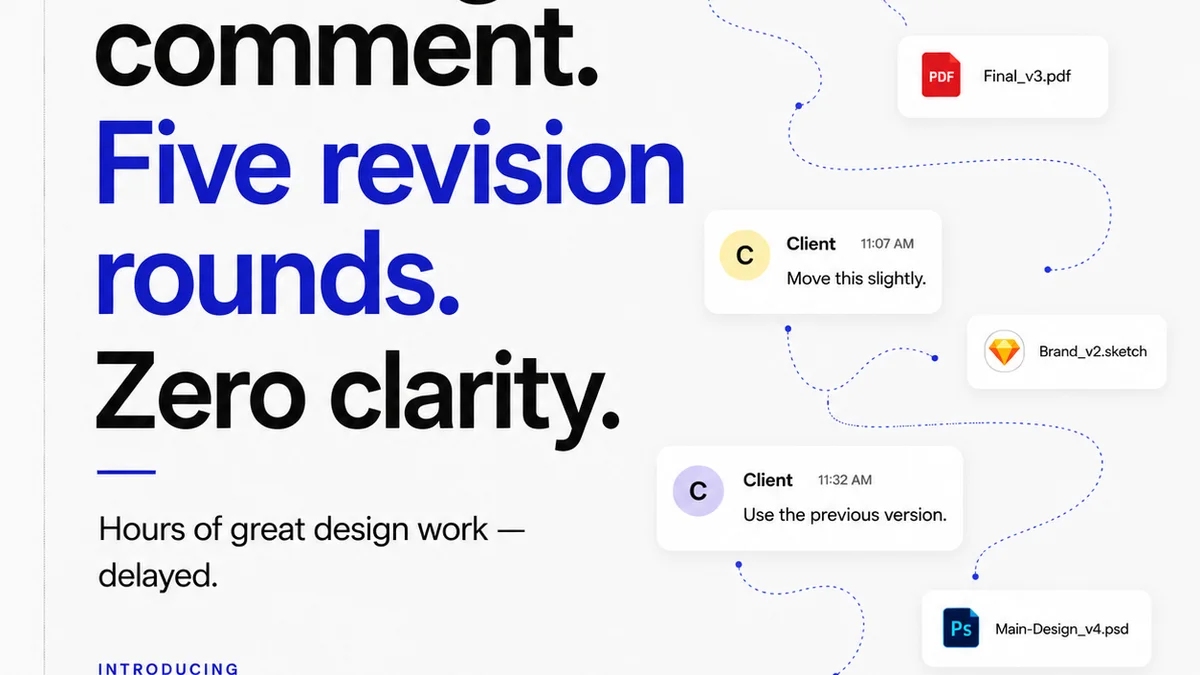
Everyone talks about creative operations. They say it’s about efficiency, process, and automation. And none of that is wrong. But it’s incomplete.
The hard truth is that for enterprise teams, creative operations is less about the tools and more about the *flow*. It’s about designing a system that doesn’t just manage tasks, but actively removes friction so creative talent can do their best work.
1. Defining Enterprise Creative Operations: It’s Not Just Project Management
Enterprise creative operations is the engine that drives creative output at scale. It’s the sum of processes, people, and technology that enable a creative team to consistently deliver high-quality work, on time, and on budget.
Think beyond simple task tracking. This is about strategic alignment, resource allocation, and continuous improvement. It’s about building a robust framework that supports innovation, not stifles it.
The Common Misconception
Many see creative ops as a purely administrative function. A necessary evil to keep creatives in line. This view misses the strategic imperative.
When done right, creative operations is a force multiplier. It liberates creative teams from mundane tasks and empowers them to focus on what they do best: creating impactful work.
The Deeper Truth: Operationalizing Creativity
For enterprise teams, the challenge isn't just managing projects; it's managing the *creative process itself* within a complex organizational structure. This involves:
- Aligning creative output with broader business objectives.
- Balancing the need for standardized processes with the desire for creative freedom.
- Facilitating collaboration across large, often distributed, teams.
- Ensuring brand consistency and quality across a vast array of deliverables.
- Optimizing resource allocation to meet competing demands.
This requires a sophisticated approach to workflow design.
2. The Pillars of a Robust Enterprise Creative Workflow
Building an effective creative operations workflow for an enterprise isn't a one-off project. It's an ongoing commitment to refining how work gets done. It rests on several key pillars:
a. Centralized Intake and Briefing
This is where it all begins. A chaotic intake process breeds chaos downstream. For enterprise, this means a standardized, yet flexible, system for receiving creative requests.
A clear, comprehensive brief is non-negotiable. It sets expectations, defines scope, and provides all necessary context. Without it, your team is flying blind.
b. Streamlined Asset Management
Enterprise teams generate mountains of creative assets. Keeping track of versions, ensuring brand compliance, and making assets easily discoverable is critical. This isn't just about storage; it's about accessibility and governance.
Think about DAM (Digital Asset Management) systems, but integrated into your daily workflow, not an afterthought.
c. Visibility and Collaboration
Large organizations often struggle with silos. Creative teams need clear visibility into project status, timelines, and dependencies. Equally important is seamless collaboration, both internally and with stakeholders.
This means tools and processes that facilitate communication and feedback without creating endless email chains or scattered documents.
d. Revision and Approval Loops
This is often the biggest bottleneck. Unclear feedback, endless revisions, and opaque approval processes drain time and morale. Enterprise workflows must build in clear stages for feedback and approvals.
Define who provides feedback, when, and how. Establish clear approval gates to prevent scope creep and ensure timely sign-offs.
e. Performance Tracking and Optimization
You can't improve what you don't measure. Enterprise creative operations requires metrics. Track project timelines, resource utilization, budget adherence, and even creative output quality.
Use this data to identify bottlenecks, refine processes, and make informed decisions about future resource allocation and technology investments.
3. Common Bottlenecks in Enterprise Creative Operations
Even with the best intentions, enterprise creative workflows can snag. Recognizing these common pain points is the first step to fixing them.
- Ambiguous Briefs: Requests lacking clear objectives, target audiences, or deliverables.
- Decentralized Feedback: Input coming from everywhere, often contradictory, with no single source of truth.
- Manual Processes: Repetitive tasks like file conversion, status updates, and reporting that eat up valuable creative time.
- Version Control Nightmares: Confusion over which is the latest or approved version of an asset.
- Unclear Roles and Responsibilities: Not knowing who is responsible for what at each stage of the process.
- Lack of Real-Time Visibility: Stakeholders and team members operating with outdated information.
- Inefficient Handoffs: Smooth transitions between different teams or stages of the creative process are often missing.
These aren't just minor annoyances; they are systemic issues that directly impact creative output and team productivity.
4. Designing Your Enterprise Workflow: A Pragmatic Approach
Forget the idea of a perfect, one-size-fits-all workflow. Enterprise environments are complex and dynamic. Your workflow must be adaptable.
Start with the Problem, Not the Solution
Identify your biggest pain points. Is it intake? Feedback? Approvals? Focus your initial efforts there.
Map Your Current State
Document how work *actually* gets done today. Be honest. This reveals the hidden steps and unofficial processes.
Define Your Ideal Future State
Based on your pain points and goals, design a better way. What should the process look like? Who is involved? What are the key touchpoints?
Select the Right Technology (Carefully)
Tools should support your process, not dictate it. Look for solutions that offer:
- Centralized feedback and annotation.
- Clear version control and history.
- Integrated revision and approval tracking.
- Customizable workflows.
- Reporting and analytics.
Consider how new tools integrate with your existing tech stack. Avoid adding more complexity for complexity's sake.
Pilot and Iterate
Don't roll out a massive change overnight. Pilot new processes or tools with a small team or project. Gather feedback, make adjustments, and then scale.
Where Revue Fits In
For enterprise creative teams, managing feedback, revisions, and approvals is a constant challenge. Scattered emails, endless document versions, and missed deadlines can derail even the best creative concepts.
Revue provides a centralized platform designed to bring order to this chaos. Imagine a single source of truth for all creative work. Clients and stakeholders can provide precise, contextual feedback directly on the assets.
Revision history is tracked automatically, so you always know which version is current and who approved what, and when. This visibility eliminates ambiguity and speeds up the approval process significantly.
For large teams, this means less time spent chasing down feedback or clarifying instructions, and more time focused on strategic creative thinking and execution. It’s about making the operational side of creative work transparent and efficient.
5. The Role of People in Creative Operations
Technology and process are only part of the equation. The people involved are paramount.
Clear Roles and Responsibilities
Ensure everyone on the team, and all key stakeholders, understand their role in the workflow. Who is the final approver? Who provides technical feedback? Who manages the intake?
Ambiguity here leads to delays and frustration.
Training and Adoption
Implementing new workflows or tools requires buy-in and training. Invest time in ensuring your team understands the 'why' behind the changes and how to use new systems effectively.
Feedback Culture
Encourage a culture where feedback is constructive, timely, and actionable. This applies both to the creative work itself and to the operations processes.
Are your workflows serving the team, or is the team serving the workflows?
Final Thought
Enterprise creative operations is a journey, not a destination. It's about building a resilient, adaptable system that supports your team's creative ambitions. The goal isn't just to manage work, but to elevate it. How effectively is your current workflow enabling your team's best creative output?
Frequently asked questions
What is the primary goal of enterprise creative operations?
The primary goal is to establish and maintain efficient, scalable processes that enable creative teams to consistently deliver high-quality work while aligning with business objectives. It's about removing friction so creatives can focus on their core tasks.
How does enterprise creative operations differ from standard project management?
While project management focuses on individual projects, enterprise creative operations takes a broader, systemic view. It encompasses the entire lifecycle of creative work, including intake, asset management, collaboration, approvals, and continuous process improvement across multiple projects and teams within a large organization.
What are the biggest challenges in implementing a new creative operations workflow for an enterprise?
Key challenges include resistance to change from team members, integrating new tools with existing legacy systems, ensuring buy-in from diverse stakeholders, defining clear roles and responsibilities, and maintaining brand consistency across a high volume of deliverables.
How can technology help improve enterprise creative operations?
Technology can automate repetitive tasks, centralize feedback and approvals, improve asset management and version control, provide real-time visibility into project status, and offer data for performance analysis. Tools like Revue help streamline feedback and approvals specifically.
What is the role of feedback in a creative operations workflow?
Feedback is critical. A well-designed workflow ensures feedback is timely, constructive, contextual, and centralized. This prevents endless revision cycles, clarifies expectations, and ultimately leads to a better final product.