Everyone talks about streamlining creative operations. They suggest better project management software, more efficient communication tools, or clearer briefs. None of that is wrong. But it’s incomplete.
The real challenge isn’t the tools. It’s the underlying workflow itself. That’s the engine. If the engine is sputtering, a new coat of paint won’t help.
This is about the deep, often messy, reality of how creative work actually gets done, from initial concept to final delivery. It’s about building a robust creative operations workflow that doesn’t just manage tasks, but actively drives profitability and client satisfaction.
1. What is Creative Operations, Really?
Creative operations (or “cre ops”) is the discipline of organizing and optimizing the processes, people, and technology required to produce creative work at scale. It’s the engine room of any creative agency or in-house team.
Think of it as the plumbing, electrical, and structural engineering of your creative output. You don't see it when everything's working, but you sure notice when it's broken.
A well-oiled creative operations workflow ensures:
- Projects are delivered on time and on budget.
- Creative quality remains consistently high.
- Teams aren't burning out from chaos.
- Clients are happy with the process and the product.
- The agency is profitable, not just busy.
The Common Misconception
Many agencies assume cre ops is just about project management. A PM tool, a shared drive, and a few status meetings. That’s a surface-level fix.
The deeper truth is that effective creative operations is about strategic alignment, resource management, risk mitigation, and continuous improvement. It’s a holistic system, not a collection of disconnected tools.
2. The Core Components of a Robust Workflow
A broken workflow isn’t usually the result of one big flaw. It’s a thousand tiny cuts.
Let’s break down the essential pillars of a solid creative operations workflow:
a. Intake and Briefing
This is where it all begins. A vague brief leads to a vague project. This phase sets the stage for everything that follows.
Key elements:
- Clear client objectives.
- Defined scope of work.
- Specific deliverables.
- Established budget and timeline.
- Mandatory technical requirements (e.g., file formats, resolution).
- Brand guidelines and asset availability.
A common mistake? Rushing this stage. Clients often don’t know what they want, and it’s your job to help them articulate it. This requires structured intake forms and dedicated discovery time.
b. Resource Allocation and Planning
Once you know what needs to be done, you need to figure out who’s going to do it and when.
This involves understanding:
- Team capacity and skill sets.
- Project priorities.
- Potential bottlenecks.
- Contingency planning for unexpected issues.
Over-allocating talent is a fast track to burnout and missed deadlines. Under-allocating means missed opportunities.
c. Creative Development and Collaboration
This is the core production phase. It’s where ideas take shape and assets are created.
Effective collaboration is key. This means:
- Clear roles and responsibilities for each team member.
- A defined process for internal reviews and feedback.
- Centralized storage for all creative assets.
- Tools that facilitate seamless communication without creating noise.
The goal is to keep creatives creating, not bogged down in administrative tasks or endless email chains.
d. Feedback and Revision Cycles
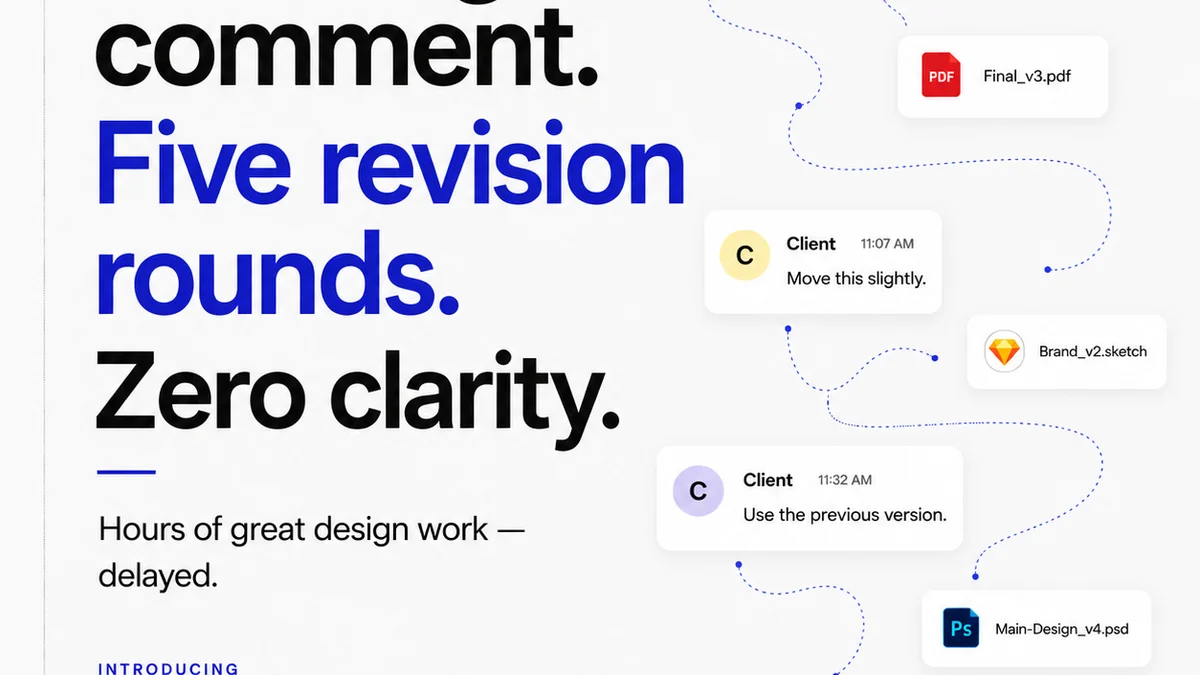
This is often the most painful part of the process. Inefficient feedback loops kill productivity and strain client relationships.
A structured revision process should include:
- Designated points of contact for client feedback.
- Clear deadlines for feedback delivery.
- A standardized way to collect and consolidate feedback (avoiding conflicting notes from different stakeholders).
- A defined number of revision rounds included in the project scope.
Ambiguous feedback like “make it pop” or “I don’t like it” is useless. Train clients (and your internal team) to provide specific, actionable comments.
e. Approval and Delivery
Getting the final sign-off and handing over the completed work.
This stage requires:
- A clear, documented approval process.
- Final quality assurance checks.
- Organized delivery of final assets in the correct formats.
- Archiving of project files and approvals for future reference.
A formal sign-off is crucial. It protects both the agency and the client by confirming mutual agreement on the final deliverable.
f. Post-Project Analysis
What went well? What didn’t? This is where continuous improvement happens.
Conducting a post-mortem involves:
- Reviewing project profitability.
- Assessing team performance and workload.
- Identifying workflow inefficiencies.
- Gathering client feedback on the process.
This data is invaluable for refining your creative operations workflow for future projects.
3. Identifying Workflow Bottlenecks
You can’t fix what you don’t see. Bottlenecks are the friction points that slow everything down.
Common symptoms of a broken workflow:
- Missed deadlines are the norm, not the exception.
- Team members consistently work overtime.
- Creative output quality is inconsistent.
- Client feedback is chaotic and often contradictory.
- Project scope creep is rampant.
- There’s a lack of clarity on who is responsible for what.
- Internal communication is fragmented across emails, chats, and meetings.
- Approvals take an eternity.
If this sounds familiar, your creative operations workflow needs attention.
4. Building a Scalable and Efficient Workflow
The goal is not just to get things done, but to get them done efficiently, predictably, and profitably.
a. Standardize Everything Possible
Repetitive tasks are prime candidates for standardization. This includes:
- Intake questionnaires.
- Briefing templates.
- Project kickoff meeting agendas.
- Internal review checklists.
- Client feedback forms.
- File naming conventions.
- Delivery protocols.
Standardization reduces cognitive load and minimizes errors. It makes training new team members easier.
b. Centralize Communication and Feedback
Scattered communication leads to missed information and duplicated effort. All project-related conversations and feedback should live in one place.
Imagine trying to build a house when the blueprints are in one office, the material orders are in another, and the client calls are taken on a third phone line. It’s chaos.
c. Implement Clear Roles and Responsibilities
Ambiguity breeds inefficiency. Everyone on the team needs to know their role and the roles of others. This applies to both internal team members and client stakeholders.
Use RACI charts (Responsible, Accountable, Consulted, Informed) if necessary, especially for complex projects.
d. Define Approval Gates
Approvals are critical checkpoints. They need to be clearly defined within the workflow, with specific criteria for sign-off.
What constitutes a final approval? Who has the authority to give it? What happens if feedback is requested after approval?
Clear gates prevent endless back-and-forth and ensure accountability.
e. Leverage Technology Wisely
Tools are enablers, not solutions. Choose technology that supports your defined workflow, rather than trying to build your workflow around a tool.
Consider:
- Project Management Software (e.g., Asana, Monday.com, Wrike)
- Creative Collaboration Tools (e.g., Figma, Adobe Creative Cloud)
- Asset Management Systems (DAM)
- Client Feedback and Approval Platforms
The key is integration. Tools should talk to each other to avoid manual data transfer and create a single source of truth.
5. Where Revue Fits In
Managing a complex creative operations workflow involves juggling multiple moving parts: client communication, internal team collaboration, version control, feedback consolidation, and final approvals. It’s easy for things to fall through the cracks.
This is where a platform designed specifically for creative workflows becomes invaluable. Revue acts as that central hub, bringing clarity and control to the chaos.
With Revue, you can:
- Centralize Client Feedback: All feedback lives in one place, linked directly to the creative asset. No more hunting through email chains or Slack messages.
- Streamline Revisions: Track every version, comment, and change. Ensure everyone is working from the latest iteration and understands the revision history.
- Gain Approval Visibility: Clearly see the status of approvals, who needs to act, and when sign-off is complete. This eliminates ambiguity and speeds up the final stages.
- Maintain Quality Control: By having a structured process for feedback, revisions, and approvals, you inherently build in quality checks at every stage.
Instead of stitching together disparate tools, Revue provides an integrated solution that supports the entire creative lifecycle, from brief to final delivery.
6. The Human Element: Culture and Communication
Technology and process are only part of the equation. A successful creative operations workflow relies heavily on people and culture.
Encourage a culture of:
- Open Communication: Team members should feel comfortable raising concerns about workload or potential roadblocks.
- Psychological Safety: Mistakes happen. The focus should be on learning from them, not on blame.
- Clear Expectations: Everyone should understand project goals, deadlines, and their individual contributions.
- Respect for Time: Avoid unnecessary meetings and interruptions. Protect focused work time for creatives.
Your workflow is only as strong as the people executing it. Invest in your team’s well-being and foster an environment where efficiency and creativity can coexist.
Final Thought
Is your creative operations workflow a well-oiled machine driving predictable success, or is it a constant scramble against the clock? The difference isn't just about feeling less stressed; it's about building a sustainable, profitable business that can scale.
Take a hard look at your current processes. Where are the friction points? Where is time being wasted? The answers might surprise you, and fixing them is the first step toward truly optimized creative operations.
Frequently asked questions
What are the key stages of a creative operations workflow?
A typical creative operations workflow includes intake and briefing, resource allocation and planning, creative development and collaboration, feedback and revision cycles, approval and delivery, and post-project analysis. Each stage is critical for smooth project execution.
How can I identify bottlenecks in my creative workflow?
Look for common symptoms such as missed deadlines, team burnout, inconsistent quality, chaotic client feedback, scope creep, unclear responsibilities, fragmented communication, and lengthy approval times. These indicate areas needing improvement.
What is the role of technology in creative operations?
Technology, like project management software and client feedback platforms, supports and enables an efficient workflow. Tools should be chosen to fit your defined processes, not the other way around. Centralization and integration are key benefits.
Why is standardizing processes important for creative operations?
Standardization reduces errors, minimizes cognitive load, and makes training easier. By creating templates and consistent procedures for tasks like intake, briefing, and feedback, you build predictability and efficiency into your workflow.
How does Revue help improve a creative operations workflow?
Revue centralizes client feedback, streamlines revision tracking, provides clear approval visibility, and aids in quality control by keeping all project communication and assets in one integrated platform. This reduces chaos and improves efficiency.