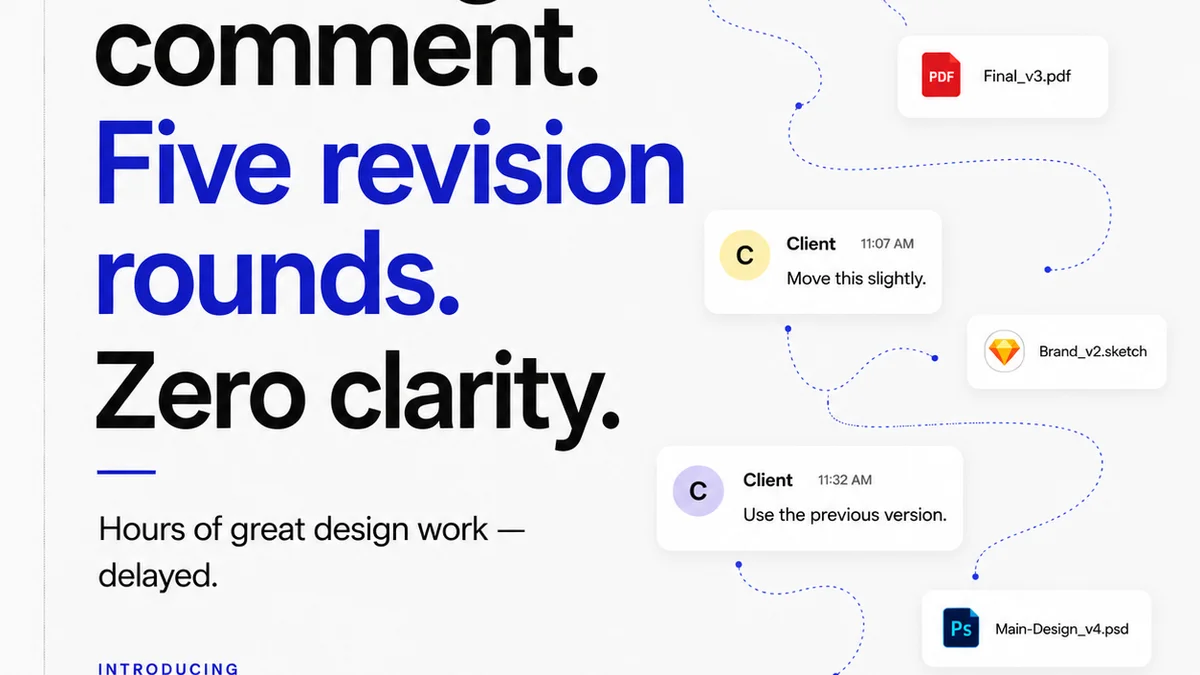
Everyone talks about creative operations. They talk about tools, processes, and efficiency. They want to streamline workflows, cut down on revisions, and ship better work, faster. That’s the goal, right?
None of that is wrong. But it’s incomplete.
The deeper, harder truth is that most teams get creative operations wrong because they focus on the *system* and forget the *people*. They implement software, create flowcharts, and enforce rules, all while ignoring the fundamental human dynamics that make or break any collaborative effort.
True creative operations isn't about building a perfect machine. It's about understanding how messy, brilliant humans actually work, and then building a framework that supports them, rather than trying to force them into a rigid, idealized box.
1. The Myth of the Universal Process
You’ve seen the templates. The Gantt charts. The RACI matrices. The endless checklists designed to account for every possible step, stakeholder, and sign-off.
These are great ideals. They’re aspirational.
But they rarely reflect reality.
Why? Because creative work isn't linear. It’s iterative. It’s messy. It involves subjective judgment, unexpected breakthroughs, and, yes, even the occasional
Frequently asked questions
What is creative operations?
Creative operations (or crevo) is the discipline focused on enabling creative teams to do their best work more efficiently. It involves managing processes, technology, communication, and workflows to streamline creative production and delivery.
Why do so many teams struggle with creative operations?
Many teams focus too heavily on tools and rigid processes, neglecting the human element of collaboration, communication, and feedback. Creative work is inherently iterative and subjective, and operations need to support this, not stifle it.
What are the key components of effective creative operations?
Effective crevo requires a balance of clear processes, the right technology, strong communication protocols, and a deep understanding of team dynamics. It's about enabling people, not just managing tasks.
How can I improve my team's creative operations?
Start by assessing your current workflow, identifying bottlenecks, and understanding where communication breaks down. Focus on centralizing feedback, clarifying roles, and using tools that facilitate collaboration rather than dictate it.