Everyone talks about productivity. You’ve heard it all: time blocking, inbox zero, the Pomodoro Technique. Maybe you’ve tried them. Some of them help.
None of that is wrong. But it’s incomplete.
The real engine of creative productivity isn’t a secret technique. It’s operational clarity. It’s about removing friction, not just adding more rules.
Creative teams don’t fail because they lack discipline. They fail because their workflows are a mess. Feedback gets lost. Revisions spiral. Quality suffers. That’s the hard truth.
Let’s build a checklist that tackles the real bottlenecks.
1. The Feedback Labyrinth
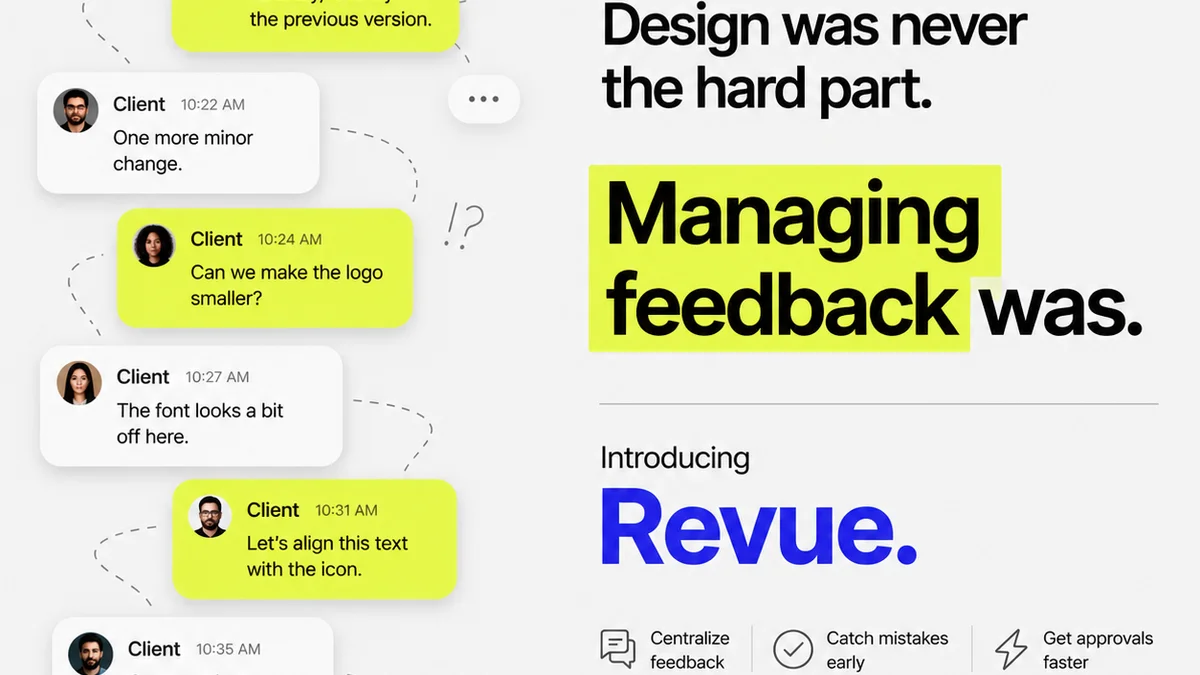
Client feedback is the lifeblood of creative work. It’s also the most common point of failure. Too often, it’s a chaotic, unstructured mess.
Assumptions:
- Clients will give clear, actionable feedback.
- Your team will perfectly interpret every nuance.
- Feedback will arrive on time and in one place.
The Reality:
Feedback is often vague. It’s contradictory. It’s buried in email chains or Slack messages. It’s late. It’s subjective. It’s delivered by committee.
This isn’t a communication problem. It’s an information management problem.
The Checklist Fixes:
- Centralize All Feedback: No more hunting through emails, DMs, or meeting notes. One source of truth is non-negotiable.
- Standardize Feedback Input: Use structured forms or tools that prompt clients for specific details. What needs changing? Why? What’s the priority?
- Visualize the Feedback Loop: Make it clear when feedback is requested, received, and acted upon. Transparency reduces anxiety and guesswork.
- Define Feedback Rounds: Set clear expectations for how many rounds of feedback are included and what constitutes a substantial revision.
2. Revision Chaos
Revisions are inevitable. They are not the enemy. Unmanaged revisions, however, are a productivity killer.
Assumptions:
- Revisions are straightforward iterations.
- Scope creep is easily identified and managed.
- Your team always knows the latest version.
The Reality:
One small change can trigger a cascade of others. Scope creep often sneaks in disguised as
Frequently asked questions
What's the biggest mistake agencies make with creative productivity?
Focusing solely on individual hacks like time blocking, instead of optimizing the team's operational workflow and how feedback and revisions are managed.
How can I ensure client feedback is actionable?
Implement a structured feedback process. Use tools that prompt clients for specific details, clarify priorities, and centralize all comments in one place.
What's the difference between revisions and scope creep?
Revisions are agreed-upon adjustments within the project scope. Scope creep involves significant additions or changes that go beyond the original agreement, often without formal approval or pricing adjustments.
How does centralized feedback help with quality control?
By having all feedback and revisions documented in one place, it's easier to track changes, ensure nothing is missed, and maintain a clear audit trail, reducing errors and subjective interpretations.