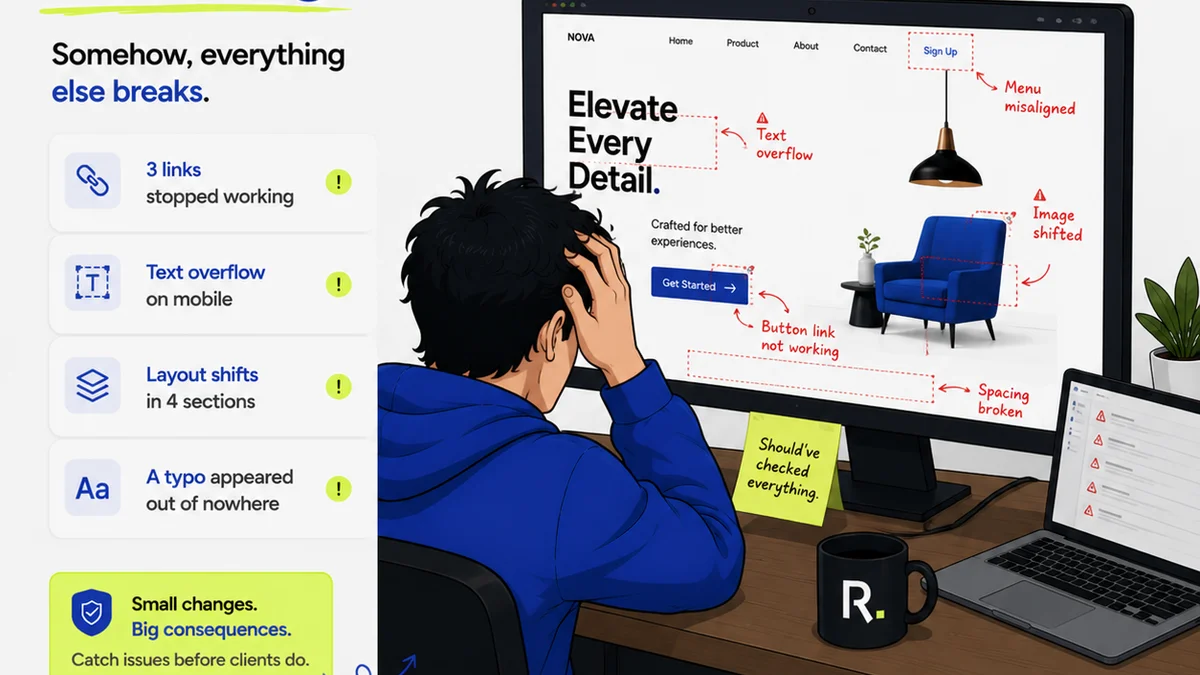
Everyone talks about creative productivity. They tell you to find your flow, get inspired, and just do the work. That’s all well and good advice.
But it’s incomplete.
The hard truth? True creative productivity isn’t about waiting for lightning to strike. It’s about building a robust framework that channels your team’s energy, streamlines processes, and consistently delivers high-quality work, even when the muse is silent.
1. The Unseen Bottleneck: Feedback Loops
You’ve probably heard that client feedback is crucial. It is.
But most agencies treat feedback like a black box. It goes in, something comes out, and everyone hopes for the best. This is where most projects get derailed.
The real bottleneck isn’t the feedback itself, but the *process* of gathering, interpreting, and acting on it. A messy feedback loop leads to wasted time, misinterpretations, and endless revision cycles.
Symptoms of a Broken Loop
- Endless rounds of minor tweaks that don’t move the needle.
- Misunderstandings about what the client actually wants.
- Key stakeholders being out of the loop on feedback.
- Designers or copywriters guessing at intent.
- A general sense of dread when it’s time to present work.
If any of this sounds familiar, your feedback process needs a serious overhaul.
2. Defining the Creative Brief: Clarity is King
A vague brief is a recipe for disaster. It’s the foundation of your project, and if it’s shaky, the whole thing will crumble.
Too many teams skim over the brief, treating it as a formality. They jump straight to creative execution, only to realize later that they were solving the wrong problem.
A truly effective brief forces clarity upfront. It’s a collaborative document that aligns everyone – client, strategist, designer, writer – on the core objectives, target audience, key message, and success metrics.
Elements of an Airtight Brief
- Clear project goals and measurable objectives.
- Detailed target audience profile.
- Core message and unique selling proposition.
- Mandatories and constraints (brand guidelines, legal, technical).
- Deliverables and scope of work.
- Timeline and key milestones.
- Success metrics and how they’ll be measured.
Invest time here. It pays dividends later.
3. The Art of Revision: Structured Iteration
Revisions aren’t a sign of failure; they’re a natural part of the creative process. But unstructured revisions are a productivity killer.
The goal isn’t to eliminate revisions, but to manage them intelligently.
This means establishing clear processes for how feedback is logged, prioritized, and implemented.
Implementing Structured Revisions
- Consolidate Feedback: Gather all comments into a single, organized source. Avoid scattered emails and chat messages.
- Prioritize Ruthlessly: Differentiate between critical issues and subjective preferences. Focus on what truly impacts the project goals.
- Assign Ownership: Clearly define who is responsible for implementing each revision.
- Track Progress: Maintain visibility into the status of each revision.
- Communicate Changes: Ensure the client understands what has been changed and why.
This structured approach turns revision chaos into controlled progress.
4. Quality Control: The Final Gate
Many teams consider their work
Frequently asked questions
What is the biggest mistake agencies make with creative productivity?
The biggest mistake is treating productivity as a mystical force that strikes randomly. True productivity comes from building a systematic framework for managing creative work, especially client feedback and revisions.
How can I ensure clarity in my creative briefs?
An airtight brief requires detailed objectives, audience profiles, core messaging, and clear deliverables. It should be a collaborative document that aligns all stakeholders before creative work begins.
How do I manage revisions effectively?
Effective revision management involves consolidating feedback, prioritizing changes, assigning ownership, tracking progress, and communicating clearly with the client about implemented updates. It's about structured iteration, not endless back-and-forth.
What role does quality control play in productivity?
Quality control is the essential final gate. It ensures that the work meets all objectives and standards before delivery, preventing costly rework and protecting your agency's reputation. It’s about delivering excellence, not just speed.