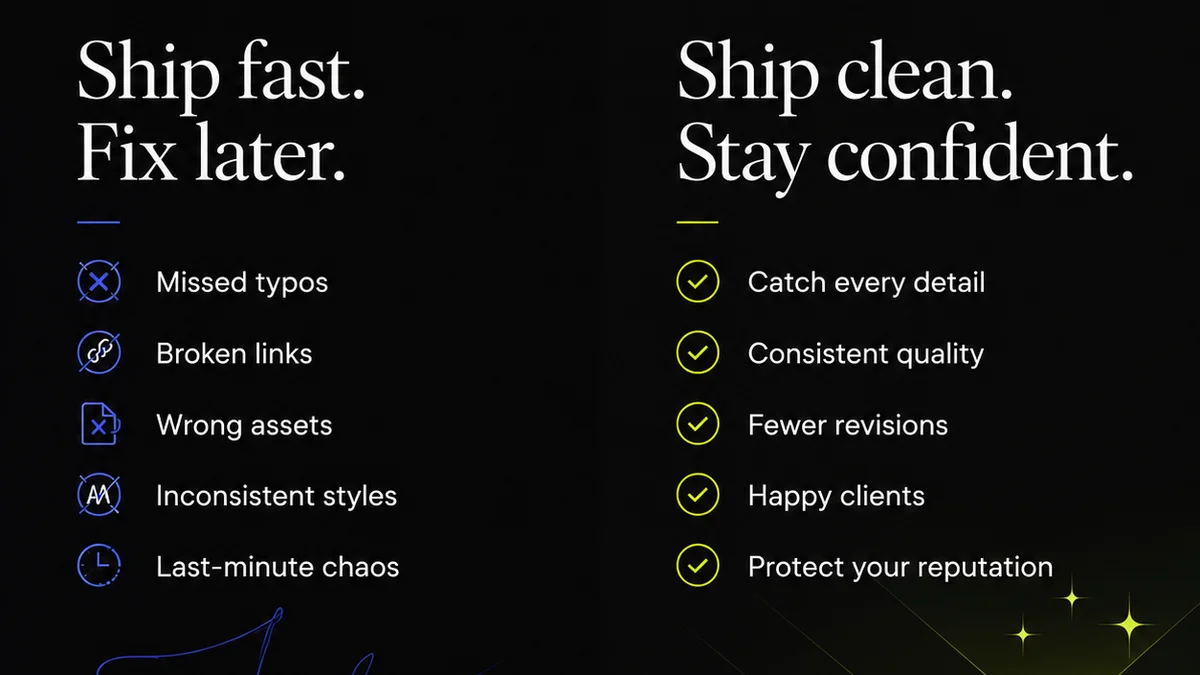
Everyone talks about agency growth. More clients. Bigger retainers. A sprawling office. It’s the standard playbook.
But what if the real engine of growth isn’t just about *more* work, but about *better* work, delivered faster and smarter?
The common assumption is that productivity is about squeezing more billable hours out of your team. More time logged equals more revenue, right?
None of that is wrong. But it’s incomplete.
The deeper truth? True creative productivity isn't about logging hours. It's about maximizing creative output and minimizing friction. It’s about creating the conditions for your team to do their best work, efficiently.
1. The Myth of 'Busy' vs. 'Productive'
Agencies are notorious for mistaking busyness for productivity. Your team is heads-down, juggling multiple projects, responding to emails at all hours. They *feel* busy. Management *sees* them as busy.
But are they actually moving the needle on creative outcomes? Or are they drowning in administrative overhead and communication chaos?
The real cost of
Frequently asked questions
What's the difference between busy and productive in an agency?
Busyness often means being occupied with tasks, emails, and meetings, but not necessarily moving core creative projects forward effectively. Productivity means maximizing high-quality creative output with minimal wasted effort and time.
How does client feedback impact creative productivity?
Unstructured, delayed, or unclear client feedback is a major productivity killer. It leads to endless revisions, scope creep, and team frustration. Centralizing and clarifying feedback is key.
Can technology really improve creative productivity?
Yes, when implemented strategically. Tools that streamline communication, manage revisions, automate approvals, and centralize feedback can significantly reduce friction and free up creative time.
What are the first steps to improving agency productivity?
Start by auditing your current workflow. Identify bottlenecks, especially around feedback and approvals. Look for ways to centralize communication and clarify processes. Empower your team with better tools.