Everyone talks about creative productivity. They tell you to block your calendar, turn off notifications, and drink more coffee. Great advice.
None of that is wrong. But it’s incomplete.
The real problem isn’t *how* you work. It’s *what* you’re working on, and *why*. And who’s telling you to work on it.
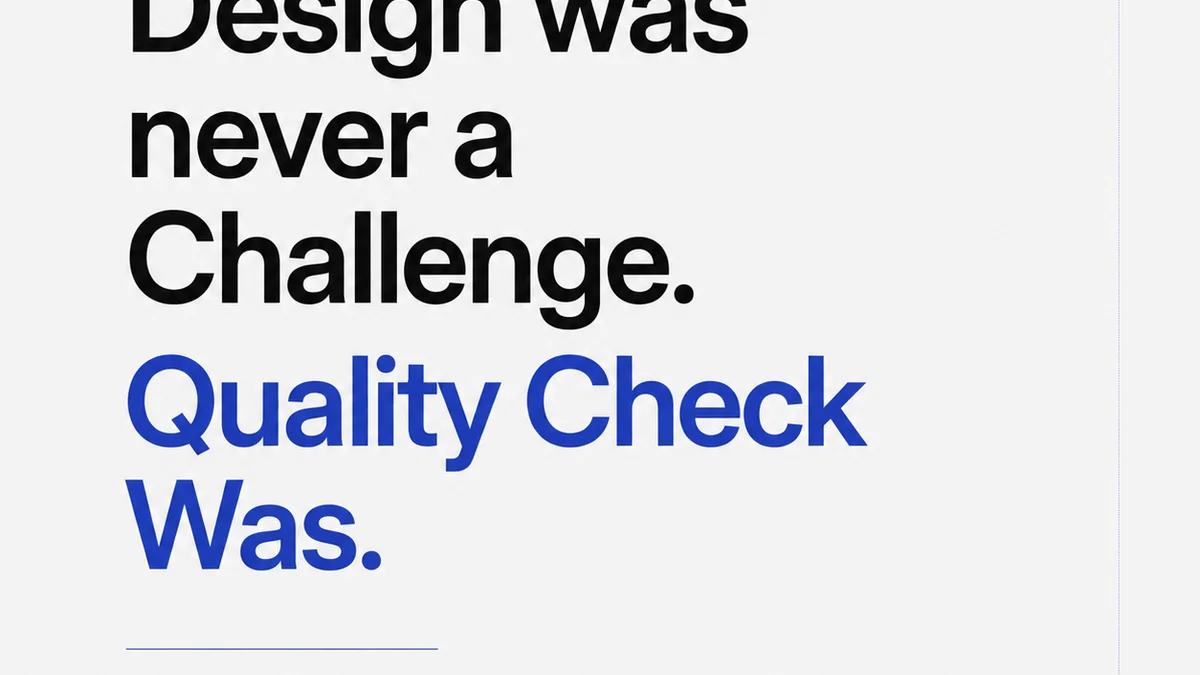
The hard truth? Most creative teams aren’t struggling with *time management*. They’re struggling with process breakdown. And that breakdown kills productivity far more effectively than any distracting email ever could.
1. The Illusion of 'Busy Work'
We’ve all been there. Staring at a screen, typing away, feeling productive. But what are we actually producing? Often, it’s just busy work. The kind of tasks that fill the hours but don’t move the needle.
This happens when:
- Tasks are poorly defined.
- Objectives are unclear.
- Feedback loops are broken.
- There’s no clear path from concept to completion.
You end up with endless revisions, scope creep disguised as 'collaboration', and a team that’s exhausted from spinning its wheels. It feels like progress. It isn’t.
The Real Cost of Busyness
Busy work isn’t just a time sink. It’s a morale killer.
When your team consistently churns out work that doesn’t get approved, or gets endlessly tweaked without clear direction, they start to question their own value. Creativity thrives on momentum and clear wins. Busy work erodes both.
It’s the agency equivalent of a treadmill: lots of motion, no actual progress towards the finish line.
2. Feedback as a Black Hole
Client feedback is essential. It’s how we ensure we’re hitting the mark.
But feedback, when mishandled, becomes a black hole. It sucks in time, energy, and good ideas, and rarely spits out anything useful.
Common feedback failures include:
- Vague comments: “Make it pop,” “I don’t love it,” “Needs more wow.”
- Conflicting input: Different stakeholders saying opposite things.
- Delayed responses: Feedback arriving days or weeks late, derailing momentum.
- Unstructured delivery: Feedback buried in long emails, messy documents, or casual chats.
- No context: Feedback given without understanding the original brief or goals.
This isn’t the client’s fault. It’s ours. We haven’t built a system to *receive* and *process* feedback effectively.
The Revision Rat Race
When feedback is chaotic, so are revisions. You get into a cycle of making changes based on unclear direction, only to have more unclear direction come back.
This is where productivity plummets. Hours are spent on revisions that might not even be necessary, or worse, lead to entirely new problems. The original vision gets lost. The team gets frustrated.
It’s a drain on resources and a fast track to burnout.
3. The Myth of the Solo Genius
We love the idea of the lone creative genius, hunched over their desk, producing a masterpiece in isolation. It’s a romantic notion.
But in reality, creative work is almost always a team sport.
And the 'solo genius' approach often leads to:
- Siloed work: Designers not talking to copywriters, who aren’t talking to account managers.
- Duplicated effort: Two people working on the same thing without realizing it.
- Missed opportunities: A junior designer having a brilliant idea that never gets heard.
- Bottlenecks: One person becoming the single point of failure for a critical task.
True productivity comes from collaboration, not isolation.
The Power of Integrated Teams
When teams work together, with clear roles and open communication, magic happens.
Ideas bounce around. Problems get solved faster. The collective intelligence of the group far outweighs any individual’s.
But this requires structure. It requires a shared understanding of goals, processes, and deliverables. It requires a way to keep everyone aligned.
4. Ignoring Quality Control Until the End
Many agencies treat quality control as an afterthought. Something to be done right before the final delivery.
This is a huge mistake.
It’s like building a house and only checking if the plumbing works on moving day.
When QC is an end-of-project activity, it becomes a bottleneck and a source of major delays.
- Last-minute fixes: Discovering a fundamental flaw that requires significant rework.
- Missed details: Typos, broken links, inconsistent branding, off-brand messaging.
- Client disappointment: Delivering a product that, while technically complete, feels sloppy or unpolished.
- Damaged reputation: A pattern of overlooked errors erodes client trust.
Build Quality In, Don’t Bolt It On
Quality isn’t a final check. It’s a continuous process.
It needs to be integrated into every stage of the workflow, from initial concept to final sign-off.
This means:
- Clear checklists for each deliverable.
- Regular internal reviews, not just client reviews.
- Empowering team members to flag issues early.
- A culture that values precision and polish.
When quality is part of the process, it’s not a crisis. It’s just how you work.
5. Chasing the 'Perfect' Workflow
There’s a temptation to believe that if we just find the *perfect* tool, the *perfect* methodology, the *perfect* process, then all our productivity problems will vanish.
This is a trap.
The truth is, there is no one-size-fits-all perfect workflow.
What works for one agency, or even one team within an agency, might be a disaster for another.
- Rigid systems: Imposing a complex process that doesn’t fit the team’s natural working style.
- Tool overload: Juggling too many platforms, each with its own quirks and learning curve.
- Analysis paralysis: Spending more time optimizing the workflow than actually doing the work.
The pursuit of perfection can become the enemy of progress.
Flexibility is the Real Key
What you need isn’t a perfect workflow. You need a flexible one.
One that can adapt to different project types, client needs, and team dynamics.
It should be:
- Simple: Easy to understand and adopt.
- Streamlined: Minimizing friction and unnecessary steps.
- Scalable: Able to grow with your agency.
- Visible: Everyone knows what’s happening and what’s next.
Focus on making your workflow *work* for your team, not the other way around.
Where Revue Fits In
The common thread in all these productivity killers is a lack of clarity and control over the creative process.
When feedback is chaotic, revisions are a guessing game, and collaboration is fragmented, your team is fighting the process, not executing the creative vision.
Revue is built to solve these exact problems.
It centralizes client feedback, making it clear, actionable, and trackable. No more hunting through emails or Slack messages.
It provides a single source of truth for revisions and approvals. Everyone sees the same version, the same comments, the same status. This eliminates confusion and speeds up sign-off.
It helps enforce quality checks by providing a structured environment for review. You can ensure all necessary steps are taken before final delivery.
By streamlining these critical workflow points, Revue frees your team from the friction of bad process. They can focus on what they do best: creating amazing work.
Final Thought
Are you measuring productivity by how busy your team looks, or by the actual value they deliver?
The distinction is everything.
Frequently asked questions
What is the biggest mistake agencies make regarding creative productivity?
The biggest mistake is focusing on time management tactics (like blocking calendars) instead of addressing fundamental process breakdowns. Issues like unclear briefs, chaotic feedback, and fragmented collaboration are the real productivity killers.
How can I improve client feedback processes?
Centralize feedback in one place, request specific and actionable comments, provide context for feedback, and establish clear communication channels. Avoid vague requests and ensure feedback arrives in a timely manner.
What's the difference between busy work and productive work?
Busy work fills time but doesn't advance project goals. Productive work directly contributes to deliverables, client satisfaction, and agency success. Often, busy work stems from poorly defined tasks or unclear objectives.
How does a centralized feedback system help productivity?
A centralized system ensures all feedback is captured, organized, and visible to the relevant team members. This eliminates confusion, reduces the risk of missed comments, and speeds up the revision and approval process.
Should agencies aim for a 'perfect' workflow?
No, there's no such thing as a universally perfect workflow. Agencies should aim for a flexible, streamlined, and scalable process that adapts to their specific needs and team dynamics, rather than rigidly adhering to an unproven system.