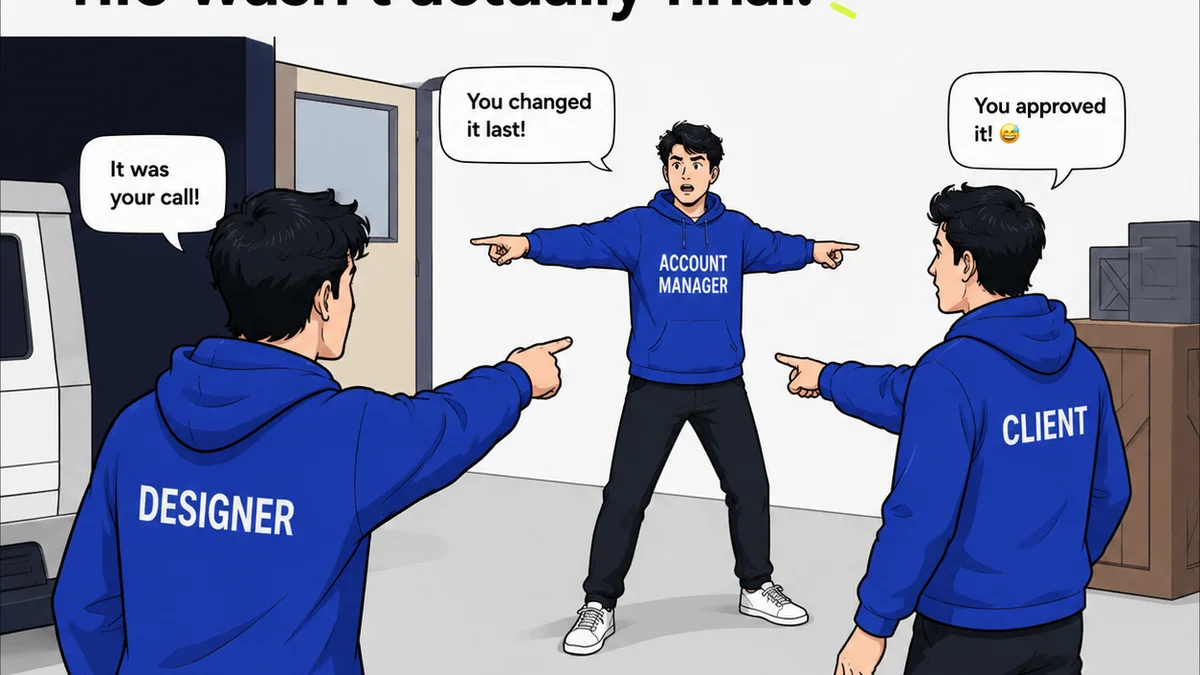
Everyone thinks creative projects stall because clients are indecisive, or because the designer missed a crucial detail. That’s part of it, sure. But it’s not the whole story. Not even close.
The hard truth? Projects get stuck in approval because the *process* is broken. It’s a symptom of deeper operational rot.
1. The Illusion of Centralized Feedback
You’ve probably heard it a million times: “We need one source of truth for feedback.” Sounds simple, right? Just funnel everything into one place.
But what does that even mean in practice? Is it a giant Google Doc? A sprawling email chain? A constantly updated spreadsheet?
Most teams *think* they have a centralized system. They don’t. They have a collection of disparate, disorganized notes that *look* like a central repository but lack any real structure or accountability.
This leads to:
- Multiple versions of feedback floating around.
- Important comments getting lost or overlooked.
- Someone inevitably asking, “Did you get my note on the blue text?” for the fifth time.
- Confusion over who is the *final* approver.
This isn’t centralization. It’s just a fancier way to lose track of things.
2. The Revision Black Hole
Revisions are where projects go to die. Not because the revisions themselves are bad, but because the system for managing them is often chaotic.
Think about it. A client gives feedback. You make changes. You send it back. Then what?
Does anyone track which feedback points were addressed? Which were ignored? Which were superseded by new feedback?
Without a clear audit trail, you’re operating blind.
Key issues here include:
- Lack of clarity on what has been revised and why.
- Difficulty in comparing versions and tracking changes.
- The dreaded “scope creep” disguised as minor tweaks.
- Team members working on outdated versions of the creative.
This isn't just inefficient; it breeds frustration and erodes trust.
3. The Ambiguity of “Approved”
What does “approved” even mean in your workflow? Is it a nod from the marketing manager? A thumbs-up from the CEO? A formal sign-off via email?
The ambiguity here is a killer.
If “approval” is a subjective, informal conversation, you’re setting yourself up for disaster. What one person thinks is approved, another might see as a work in progress.
This leads to:
- Endless rounds of “just one more thing.”
- The client backtracking on decisions they thought were final.
- Your team feeling like they’re on a hamster wheel.
- Projects dragging on for months, bleeding resources.
A clear, defined approval gate is essential. Without it, you’re just guessing.
4. The Human Element: Communication Breakdown
Let’s be honest. We’re creatives, not project managers. Our focus is on the *work*, not the *process*. That’s a common assumption.
But even the most brilliant creative can’t overcome a fundamentally flawed workflow.
When feedback is scattered, revisions are unmanaged, and approvals are vague, communication breaks down. It’s not about anyone being malicious or incompetent. It’s about the system failing to support clear, efficient collaboration.
Symptoms of this breakdown:
- Misunderstandings about project scope and deliverables.
- Frantic Slack messages and emails trying to track down information.
- Blame games when things go wrong.
- Burnout from constantly chasing down approvals and clarifications.
This isn’t just about bad project management; it’s about the emotional and mental toll it takes on your team and your clients.
5. The Cost of Stalling: Beyond Time
When projects stall, we talk about missed deadlines. That’s obvious.
But the cost runs deeper. It impacts:
- Profitability: Every hour spent chasing feedback or redoing work is an hour you’re not billing.
- Team Morale: Constant frustration and rework lead to burnout and disengagement.
- Client Relationships: A drawn-out, confusing process damages trust and makes clients question your competence.
- Reputation: Word gets around about agencies that are slow or difficult to work with.
The financial and emotional toll of a stalled project far outweighs the perceived cost of implementing a better system.
Where Revue Fits In
This isn't about adding more tools. It's about bringing order to the chaos. That’s where a platform like Revue becomes critical.
Revue is built to tackle these exact issues head-on.
It provides a single, structured environment for all client feedback. No more hunting through emails or Slack threads.
Track every revision, see who approved what, and understand the history of decisions. This eliminates the revision black hole.
Define clear approval stages and get explicit sign-offs, removing ambiguity.
When feedback is centralized, revisions are managed, and approvals are clear, communication flows naturally. Your team can focus on delivering great creative work, not wrangling a broken process.
Final Thought
Is your team truly collaborating effectively, or are you just managing a series of communication breakdowns? The difference isn’t just semantics; it’s the engine of your agency’s success.
Frequently asked questions
What are the most common reasons creative projects get delayed?
Beyond common assumptions about client indecision, projects often stall due to a lack of a clear, centralized feedback system, chaotic revision management, ambiguous approval processes, and subsequent communication breakdowns within the team and with the client.
How can I prevent clients from constantly changing their minds?
While you can't control client behavior entirely, you can mitigate the impact by establishing a clear project scope, defining what constitutes 'final approval' upfront, and using a system that tracks all feedback and revisions, making it harder for clients to backtrack without clear justification.
What's the difference between 'centralized feedback' and just collecting notes?
True centralized feedback means having a single, structured platform where all comments are organized, attributed, and actionable. Simply collecting notes in disparate documents or emails creates a false sense of centralization that often leads to lost information and confusion.
How does a better process improve team morale?
A well-defined process reduces frustration, eliminates the need for constant chasing of information, minimizes rework, and provides clarity on project status. This allows creative teams to focus on their work rather than managing workflow chaos, leading to less stress and higher job satisfaction.