Everyone thinks creative proofreading is just about catching typos. Catching typos is important, sure. But it’s not the whole story. Not even close.
The deeper truth? Creative proofreading is the final, non-negotiable quality gatekeeper for your agency’s work. It’s the last line of defense against embarrassing errors, brand damage, and lost client confidence. Get it wrong, and even the most brilliant creative concept can fall flat.
1. The Myth of the 'Perfect' First Draft
Agencies live and die by their creative output. The pressure to deliver stunning visuals and compelling copy is immense. This often leads to a dangerous assumption: that the first or second draft is 'good enough' to get a final look.
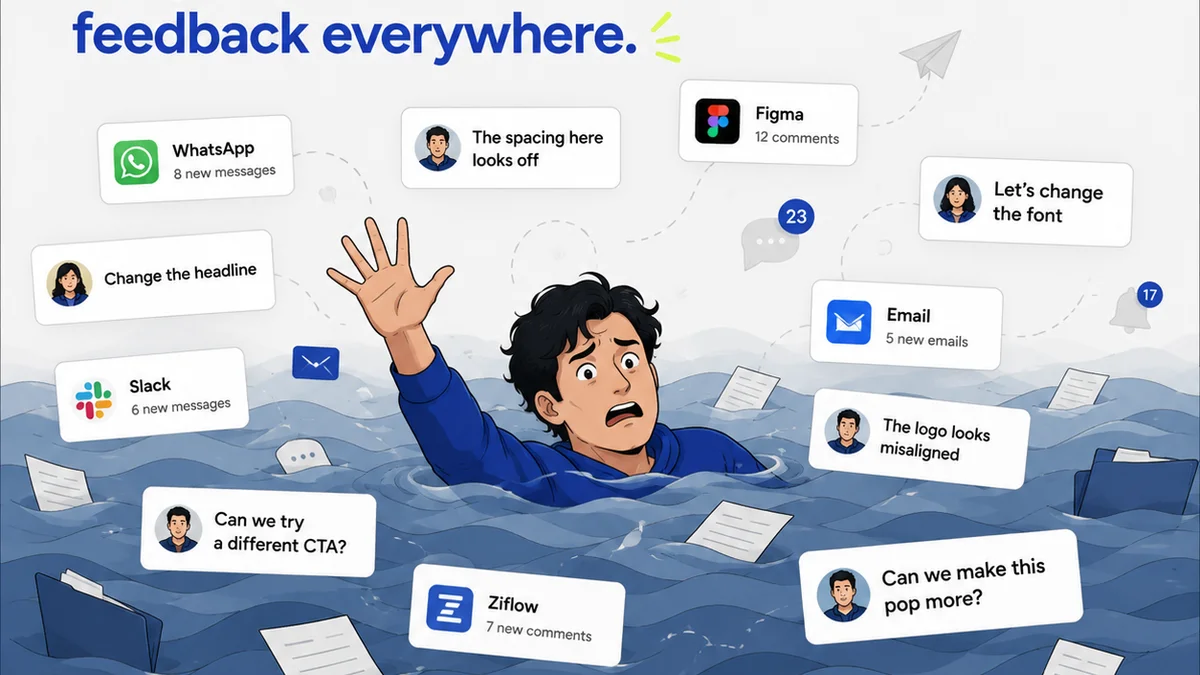
This is a trap. Creative work is iterative. It’s messy. It involves multiple rounds of feedback, edits, and subjective tweaks. Somewhere in that process, critical details get overlooked.
The assumption that everyone involved has perfect recall of every decision, every revision, and every tiny detail is flawed.
What’s actually happening:
- Key client requirements get subtly misinterpreted or dropped.
- Brand guidelines are accidentally violated in the rush to meet deadlines.
- Technical specifications for digital assets are missed.
- Legal or compliance disclaimers are outdated or incorrect.
- Simple spelling or grammatical errors slip through the cracks, undermining professionalism.
This isn't about blaming individuals. It's about acknowledging the inherent complexity and the high stakes of creative production.
2. Beyond Spelling: The Scope of Creative Proofreading
When we say 'creative proofreading,' most people picture someone with a red pen hunting for rogue commas. That’s a tiny sliver of the reality.
Effective creative proofreading is a comprehensive audit of the final deliverable against all project requirements and established standards.
It means checking:
- Accuracy: Are all names, dates, figures, and facts correct?
- Consistency: Is the tone of voice consistent? Are brand elements (logos, colors, fonts) used correctly and uniformly? Is terminology consistent across the entire piece?
- Completeness: Are all necessary components present? All disclaimers, calls to action, contact information, legal copy, metadata?
- Compliance: Does the work adhere to brand guidelines? Industry regulations? Accessibility standards? Legal requirements?
- Context: Does the final piece make sense in the context of the client's overall brand and campaign objectives?
- Clarity: Is the message clear and unambiguous? Is the copy easy to understand for the target audience?
- Technical Specifications: For digital assets, are dimensions, file formats, resolution, and other technical specs correct?
This is far more than a spell check. This is a critical evaluation.
The Human Element: Why AI Isn't Enough
AI tools are great for initial grammar and spelling checks. They can catch obvious errors. But they lack the nuanced understanding of context, brand voice, strategic intent, and client-specific requirements that a human proofreader provides.
An AI won't know if a specific piece of jargon is inappropriate for the client's audience. It won't flag a logo usage that's technically correct but visually jarring in the context of the layout.
3. Establishing a Robust Proofreading Workflow
You can't just hope for the best. A systematic approach is essential for effective creative proofreading.
Here’s how to build it:
a. Define Clear Standards
Before any project starts, ensure you have documented standards:
- Brand guidelines (visual and voice).
- Style guides (internal or industry-standard).
- Accessibility checklists (e.g., WCAG guidelines).
- Technical specification templates.
- Legal/compliance requirements.
These aren't suggestions; they are the rules of engagement.
b. Integrate Proofreading into the Timeline
Proofreading isn't the last thing you do *if you have time*. It's a scheduled milestone.
Build dedicated time for a final review *after* all creative and client revisions are complete, but *before* final delivery.
This often means a specific
Frequently asked questions
What is the difference between editing and proofreading?
Editing typically focuses on the content, structure, and flow of a piece, making substantive changes. Proofreading is the final check for surface-level errors like typos, grammar mistakes, punctuation, and formatting consistency before publication or delivery.
Who should be responsible for creative proofreading?
Ideally, it should be someone who wasn't heavily involved in the creation process to offer a fresh perspective. This could be a dedicated proofreader, a project manager, or a senior team member not directly tied to the creative execution.
How much time should be allocated for proofreading?
This varies by project complexity and length. As a rule of thumb, allocate at least 10-15% of the total project time for a thorough final review. It should always be a scheduled step, not an afterthought.
Can AI tools replace human proofreaders?
AI tools are excellent for initial checks on grammar and spelling, but they cannot replace human proofreaders. Humans provide critical context, understand brand voice, interpret client-specific requirements, and catch errors that AI might miss.