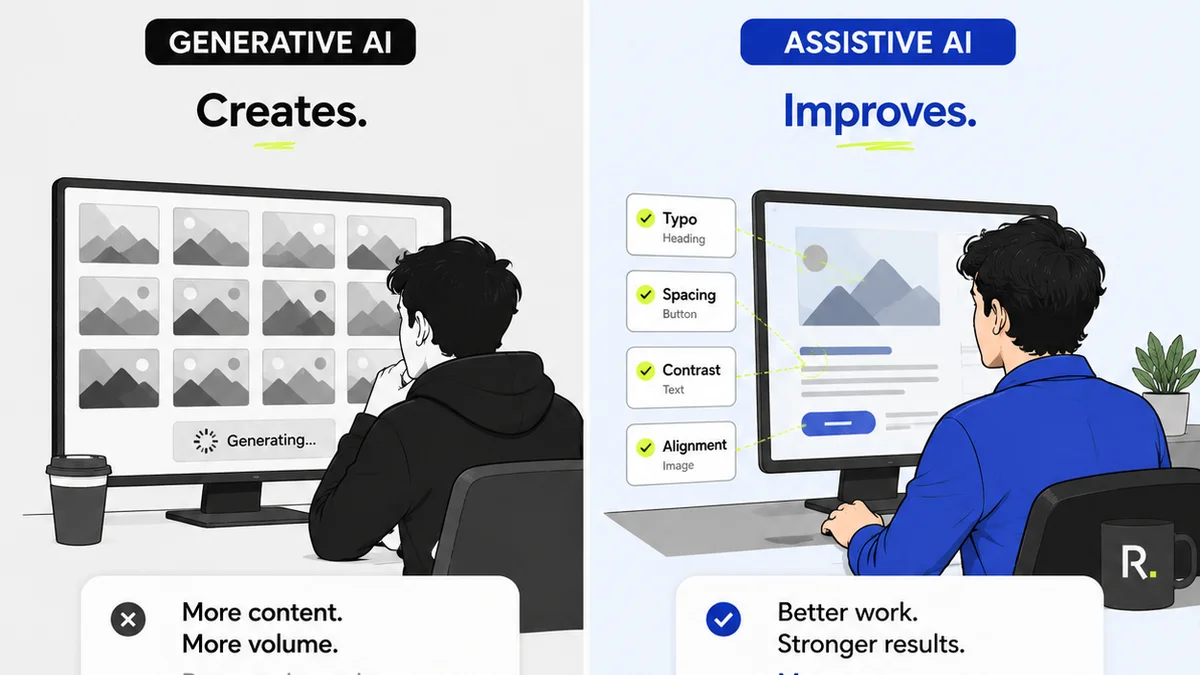
Everyone knows creative proofreading means catching typos and grammatical errors. That’s the surface level. It’s the basic hygiene most teams perform, or at least *think* they perform.
None of that is wrong. But it’s incomplete. Dangerously incomplete.
The hard truth is, in 2026, creative proofreading is less about punctuation and more about process. It’s not just a final check; it’s an integrated system that safeguards your agency’s reputation, client relationships, and profitability. When done right, it prevents costly rework, builds client confidence, and ensures your creative output consistently hits the mark. When done wrong, it’s a silent killer of margins and trust.
1. Beyond the Red Pen: Defining Modern Creative Proofreading
Forget the image of a lone editor with a red pen. Today’s creative proofreading is a multi-faceted discipline that extends far beyond simple error detection. It’s about ensuring accuracy, consistency, clarity, and compliance across all client deliverables.
This means scrutinizing not just text, but also visual elements, user experience flows, and adherence to brand guidelines. It’s a quality assurance gate that impacts every piece of creative work leaving your agency.
What's Actually Being Checked?
- Textual Accuracy: Typos, grammar, spelling, punctuation, syntax, and tone.
- Consistency: Terminology, brand voice, formatting, and style guide adherence.
- Visual Alignment: Ensuring images, graphics, and layouts match approved concepts and specifications.
- Functional Correctness: Verifying links, interactive elements, and user flows function as intended (especially crucial for digital).
- Compliance: Checking against legal requirements, accessibility standards (like WCAG), and client-specific mandates.
- Contextual Relevance: Does the message make sense in the intended placement and for the target audience?
This expanded scope requires a different approach. It’s not a task to be tacked on at the end; it’s a mindset that needs to permeate the entire creative process.
2. The Cost of Skipping Steps: Why
Frequently asked questions
What is the difference between proofreading and editing?
Editing focuses on the larger structure, flow, and content of a piece. Proofreading is the final check, focusing on surface-level errors like typos, grammar, and punctuation before publication or delivery.
How often should creative proofreading occur?
Ideally, creative proofreading should happen at multiple stages, especially before final client delivery. Key deliverables should always undergo a final proofread.
Can AI tools replace human proofreaders?
AI tools are excellent for catching basic errors and can significantly speed up the process. However, they often miss nuances in tone, context, brand voice, and complex visual-textual alignment issues that human proofreaders excel at.
What are the key elements of a creative proofreading checklist?
A comprehensive checklist includes: textual accuracy (typos, grammar), consistency (brand voice, terminology), visual alignment, functional correctness (links, interactive elements), and compliance (legal, accessibility).