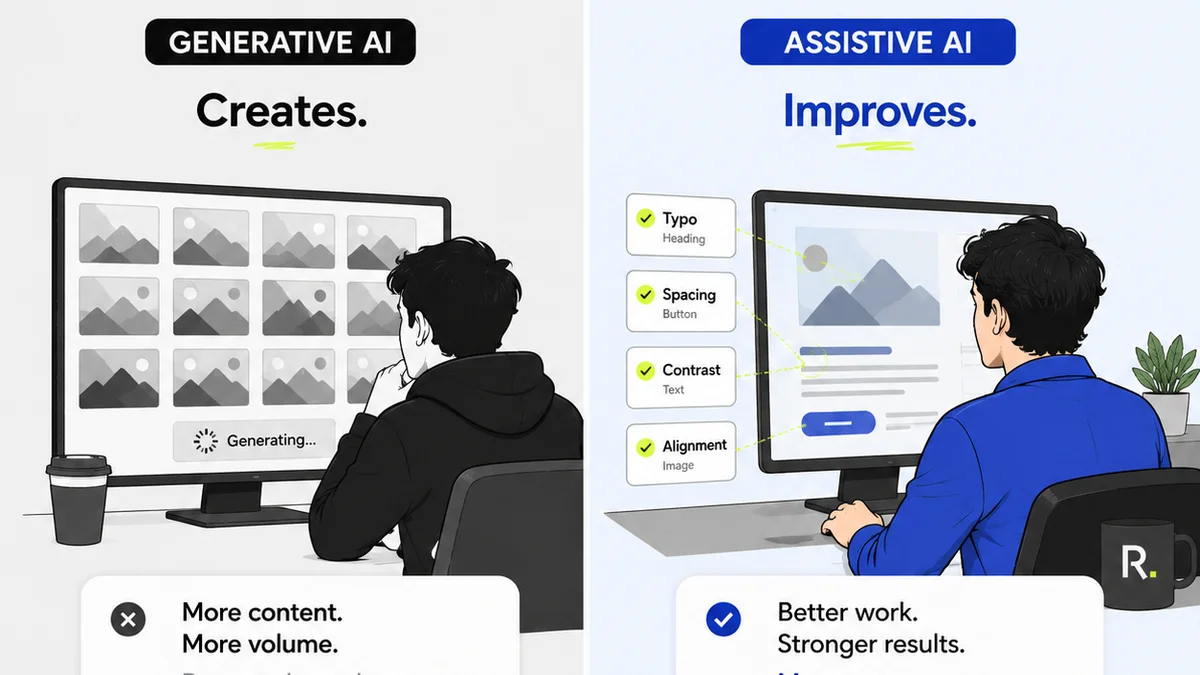
Everyone thinks proofreading is just about catching typos. And yes, that’s part of it. But if that’s your only definition, you’re missing the operational reality of what creative proofreading *actually* does for your agency.
The hard truth? Effective creative proofreading isn't just about grammar. It's a critical quality control gate that prevents costly errors, protects your client relationships, and safeguards your agency's reputation.
1. Beyond the Red Pen: What Creative Proofreading Really Means
Think of creative proofreading as the final sanity check before anything goes live. It's the last line of defense against embarrassing mistakes that can erode client trust and damage your brand.
This isn't just about spotting a misplaced comma. It's about verifying:
- Accuracy of all copy (names, dates, numbers, stats, legal disclaimers).
- Consistency in tone, style, and branding across all assets.
- Adherence to client briefs and brand guidelines.
- Correctness of visual elements (logos, colors, image placement).
- Functionality of interactive elements (links, buttons, forms).
- Compliance with legal and accessibility standards.
This process is essential for any agency that values quality and professionalism.
The Cost of Cutting Corners
A single error can lead to:
- Client dissatisfaction and loss of future business.
- Costly reprints or redesigns.
- Damage to your agency’s credibility.
- Legal or regulatory issues.
These aren't minor inconveniences. They are direct hits to your bottom line and your team's morale.
2. Building a Proofreading Workflow That Works
A haphazard approach to proofreading won't cut it. You need a systematic process. This means defining clear steps, responsibilities, and timelines.
Define Your Proofreading Stages
Proofreading shouldn't be a last-minute scramble. Integrate it into your project lifecycle.
- Internal Review: The designer or copywriter who created the work does a self-check first.
- Peer Review: A colleague (ideally from a different discipline) reviews the work for a fresh perspective.
- Dedicated Proofreader: A person specifically tasked with proofreading, trained in spotting errors and inconsistencies.
- Client Review: The client's official feedback stage.
- Final Pre-Launch Check: A last pass by a senior team member or proofreader before delivery.
Assign Clear Responsibilities
Who is accountable for proofreading at each stage? Make this explicit. Avoid the
Frequently asked questions
What's the difference between editing and proofreading?
Editing focuses on improving clarity, flow, and overall message. Proofreading is the final check for surface-level errors like typos, grammar mistakes, and formatting issues before publication.
Who should be responsible for proofreading?
Ideally, a dedicated proofreader or a senior team member not involved in the creation of the content. Peer review is also crucial. The creator should always do a self-check first, but never rely solely on that.
How can I make proofreading more efficient?
Develop a checklist, use proofreading tools (but don't rely on them solely), read copy aloud, print it out, and take breaks to approach it with fresh eyes. Centralizing feedback also streamlines the process.
What are the most common proofreading errors in creative work?
Typos, grammatical errors, inconsistent formatting, incorrect client/product names, outdated information, broken links, and visual inconsistencies (e.g., wrong logo, off-brand colors).