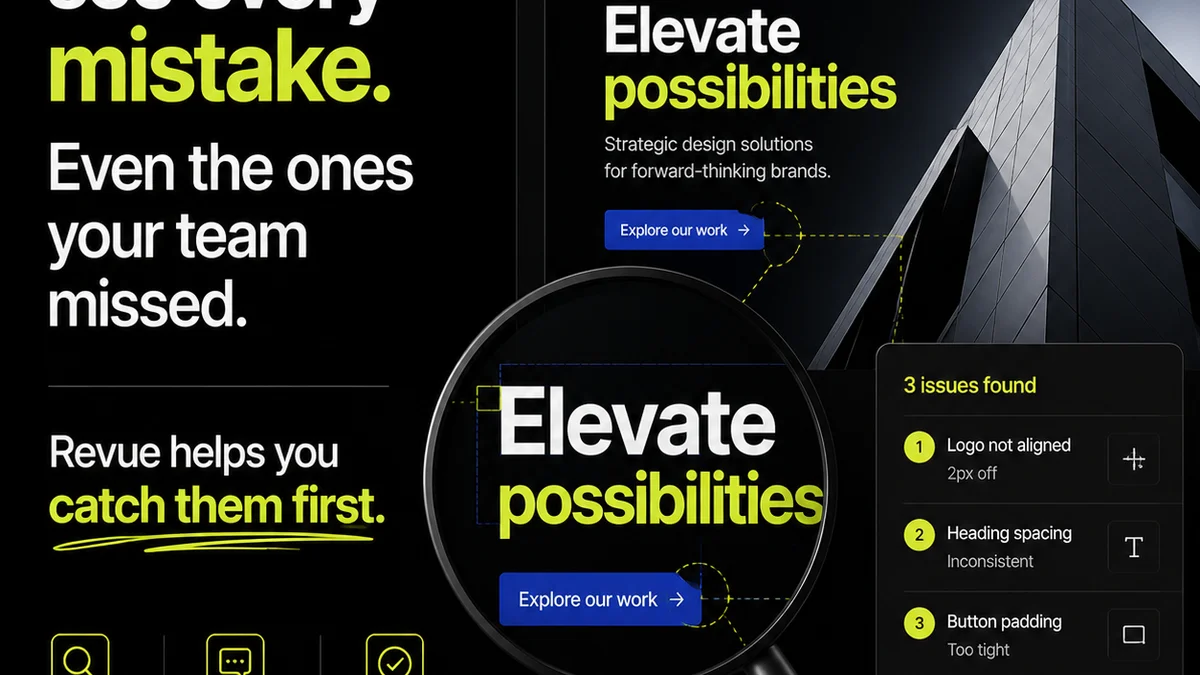
Everyone talks about creative quality assurance (QA) for e-commerce marketing. They mean checking for typos, broken links, or incorrect pricing. None of that is wrong. But it’s incomplete.
The hard truth? Creative QA for e-commerce isn't just about *preventing errors*. It’s about *driving performance*. It’s the last line of defense ensuring your creative assets don't just look good, but actually sell.
1. The High Cost of Low-Quality Creative
You invest heavily in product photography, ad copy, landing pages, and email campaigns. But if the execution is sloppy, that investment evaporates.
Think about it:
- A blurry product image on an ad.
- Inconsistent brand colors across social posts.
- A call-to-action button that doesn't link anywhere.
- Ad copy that misrepresents the product.
- Email subject lines that don't match the content.
These aren't just minor glitches. They’re direct assaults on customer trust and conversion rates. Each mistake erodes confidence and sends potential buyers straight to a competitor.
The Trust Deficit
E-commerce is built on trust. Customers can't touch or feel products before buying. They rely on your visuals and copy to understand what they're getting.
When your creative is sloppy, it screams
Frequently asked questions
What's the difference between creative QA and functional QA?
Functional QA checks if a website or app works as intended (e.g., buttons click, forms submit). Creative QA focuses on the quality, consistency, and effectiveness of the visual and written content itself, ensuring it aligns with brand guidelines and marketing goals.
Who should be responsible for creative QA in an e-commerce team?
Ideally, it's a shared responsibility. Marketing managers or project leads often oversee the process. However, specific checks might fall to copywriters, designers, or a dedicated QA specialist, especially for larger teams. Centralizing feedback is key.
How can I ensure brand consistency during creative QA?
Establish clear brand guidelines including logos, color palettes, typography, tone of voice, and imagery style. Train your QA team on these guidelines and use them as a checklist during reviews. Centralized asset management also helps.
What are the most common creative QA mistakes in e-commerce?
Common errors include inconsistent branding (colors, fonts), typos and grammatical errors, broken links, inaccurate product information, low-resolution images, and calls-to-action that don't align with the offer or lead to the wrong page.