Everyone says a creative brief is key. That a clear request prevents scope creep and keeps clients happy. And they’re right. Sort of.
But a great brief is only half the battle. The real win? How you handle the *process* of getting that request, and what happens *after* it’s been handed over.
This is where most agencies stumble. They focus on the document, not the dynamic. They treat it like a static artifact, not a living conversation.
The hard truth? The most effective creative requests aren’t about the perfect template. They’re about building a system that ensures clarity, cultivates collaboration, and drives predictable outcomes. Even for beginners.
1. The Myth of the Perfect Brief
Let’s be honest. You’ve probably seen a dozen “perfect brief” templates. They’re long, detailed, and look impressive. They ask for everything from brand guidelines to existential dread.
And then what happens?
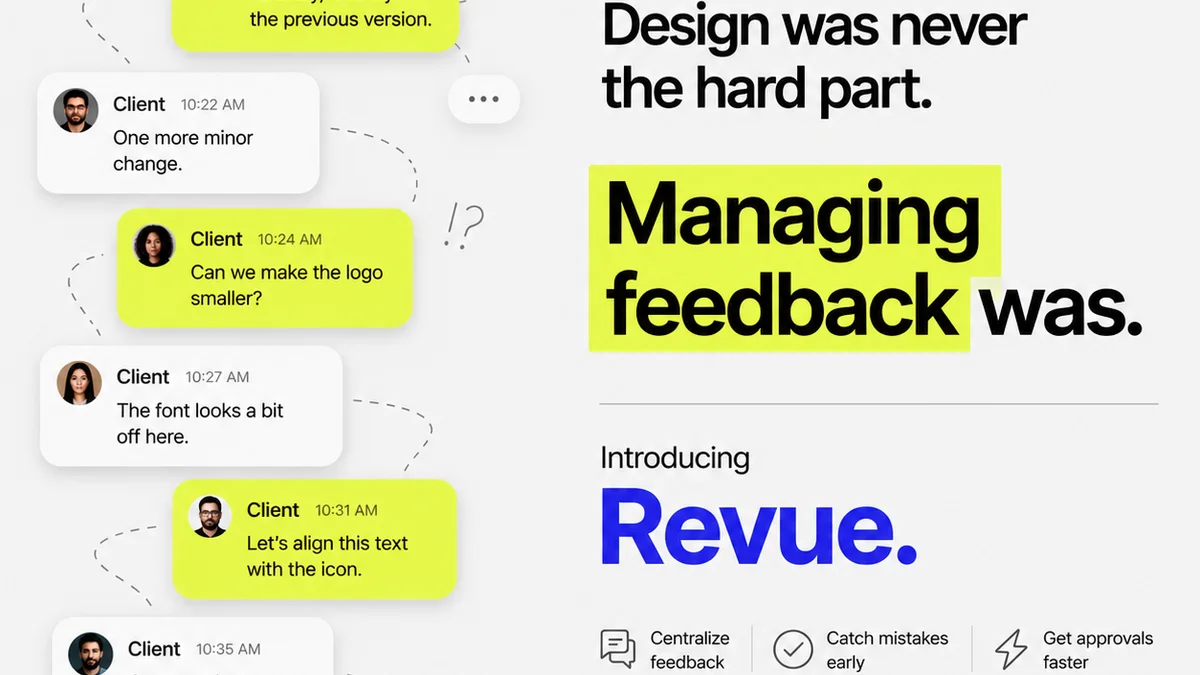
Clients fill out the sections they understand, skip the rest, and add a paragraph of “just kidding, but also, can you make the logo pop more?”
The brief becomes a document that’s supposed to be the source of truth, but often ends up being a source of confusion. Or worse, a shield for poor communication.
The Real Problem Isn’t the Document
It’s the lack of a defined process *around* the document.
A brief is a snapshot. A request is a journey.
You can’t just hand over a map and expect someone to build a city without a construction crew, blueprints, and a clear project manager.
The assumption is that a detailed brief *equals* a clear request. The deeper truth is that a clear request requires active management, structured communication, and defined checkpoints *before*, *during*, and *after* the brief is created.
2. Building the Foundation: What Makes a Request *Actually* Clear?
Forget the fluff. A truly clear request boils down to a few core elements. Everything else is just noise.
The Essential Ingredients
- The *Why*: What’s the business objective? What problem are we solving? This is the most crucial part and often the most glossed over.
- The *Who*: Who is the target audience? Get specific. Demographics, psychographics, pain points.
- The *What*: What is the deliverable? Be precise. A website banner, a social media campaign, a logo refresh.
- The *Context*: What existing assets are available? What’s the competitive landscape? What’s the budget and timeline?
- The *Success Metric*: How will we know if this project is successful? What does good look like?
This isn't revolutionary. But it’s the bedrock.
The
Frequently asked questions
What's the difference between a creative brief and a creative request?
A creative brief is the document outlining the project's goals, audience, and deliverables. A creative request is the *process* of initiating a project, which includes submitting and reviewing a brief, and subsequent communication. A strong request process ensures the brief is understood and actionable.
How can I ensure clients provide all necessary information for a creative request?
Don't just send a template. Schedule a brief kickoff call to walk through the requirements, ask clarifying questions, and set expectations. Use a system that allows for structured input and easy follow-up on missing details.
What are the common mistakes beginners make with creative requests?
Common mistakes include relying solely on a template without discussion, not clearly defining the 'why' or success metrics, accepting vague feedback, and failing to establish a clear revision process. This leads to scope creep and missed deadlines.
How can technology help manage creative requests?
Technology like Revue can centralize all request information, track communication, manage revisions and approvals, and provide a clear audit trail. This reduces reliance on scattered emails and documents, ensuring everyone is on the same page.