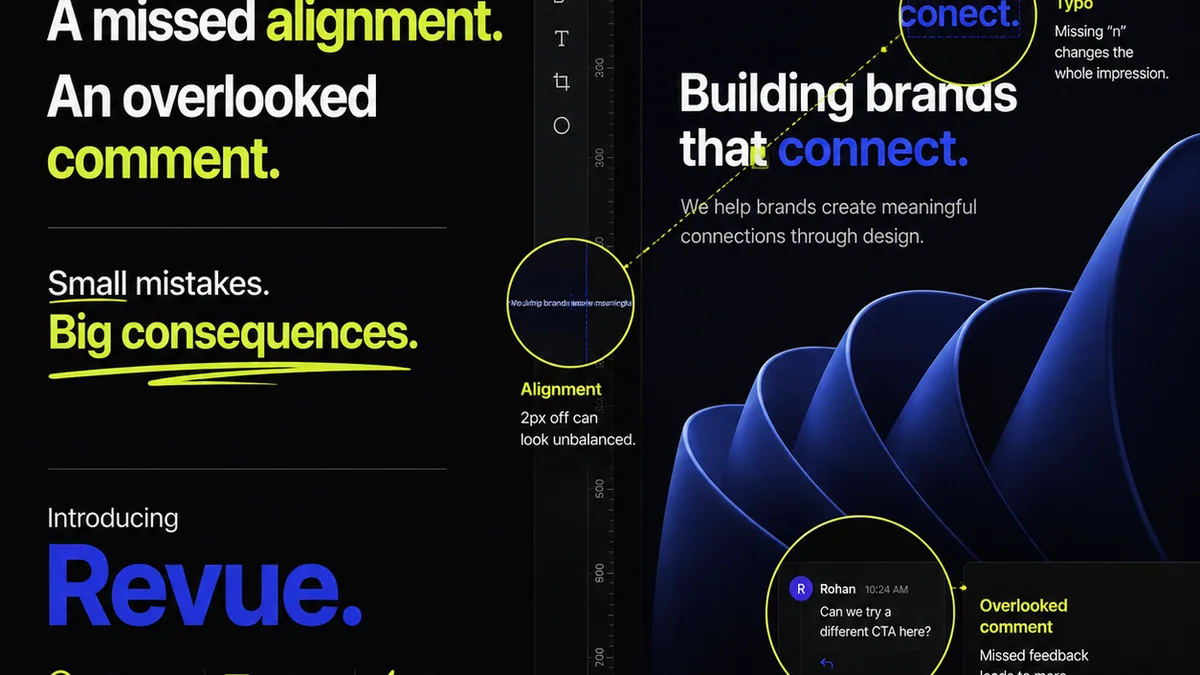
Marketing teams think creative review is about aesthetics. Does it look good? Does it match the brand? None of that is wrong. But it’s incomplete.
The hard truth is that creative review is a core operational process. When it’s broken, everything else breaks with it. Projects get delayed, teams get frustrated, and the final output suffers.
1. The Illusion of Subjectivity
We like to pretend creative review is purely subjective. “I don’t like the color.” “It needs more pop.” These are common refrains. But behind that subjectivity lies a host of objective problems.
Lack of clear briefs. Unrealistic expectations. Inconsistent feedback. Poorly managed revisions. These aren’t subjective issues; they are operational failures.
The Real Problem Isn't Taste
It’s about process. If the review process itself is flawed, even the best creative work can get derailed.
- Missed deadlines
- Scope creep
- Team burnout
- Damaged client relationships
- Mediocre final assets
These symptoms aren’t about a designer’s talent or a client’s taste. They’re about a broken workflow.
2. The Cost of Inefficient Creative Review
Every hour spent in unproductive review cycles is an hour not spent on strategy, execution, or client service. This isn’t just about time; it’s about money and opportunity cost.
Think about the ripple effect. A delayed campaign launch. A missed market window. The internal friction caused by endless back-and-forth.
Quantifying the Drag
Consider a typical marketing team. How many projects are in flight at any given time? How many rounds of review does each typically endure? What’s the average time spent waiting for feedback?
Multiply that by the number of people involved and their hourly rates. The numbers add up. Fast.
- Delayed campaign launches
- Increased cost per asset
- Reduced team capacity
- Lower client satisfaction
- Missed revenue opportunities
This isn’t about blaming individuals. It's about the system they’re forced to use.
3. The Anatomy of a Broken Review Process
What does a broken creative review process actually look like? It’s a messy, reactive system that prioritizes speed over clarity and often leads to more confusion.
Common Red Flags
- Feedback buried in email threads or Slack messages.
- Multiple, conflicting revision requests from different stakeholders.
Frequently asked questions
What is the primary goal of creative review for marketing teams?
Beyond aesthetics, the primary goal is to ensure creative assets align with strategic objectives, brand guidelines, and campaign goals, while also being operationally sound for timely delivery and effectiveness.
How can marketing teams improve their creative review process?
Improvement comes from establishing clear briefs, defining stakeholder roles, setting feedback deadlines, centralizing communication, and using a dedicated platform for managing feedback and revisions.
What are the common pitfalls in marketing creative review?
Common pitfalls include vague or subjective feedback, conflicting comments from multiple stakeholders, lack of clear approval processes, delays in feedback, and the absence of a centralized system for tracking changes.
Why is consolidating feedback important in creative review?
Consolidating feedback prevents conflicting instructions, reduces the risk of misinterpretation, saves time by avoiding multiple rounds of clarification, and ensures all stakeholders are working from the same set of comments.