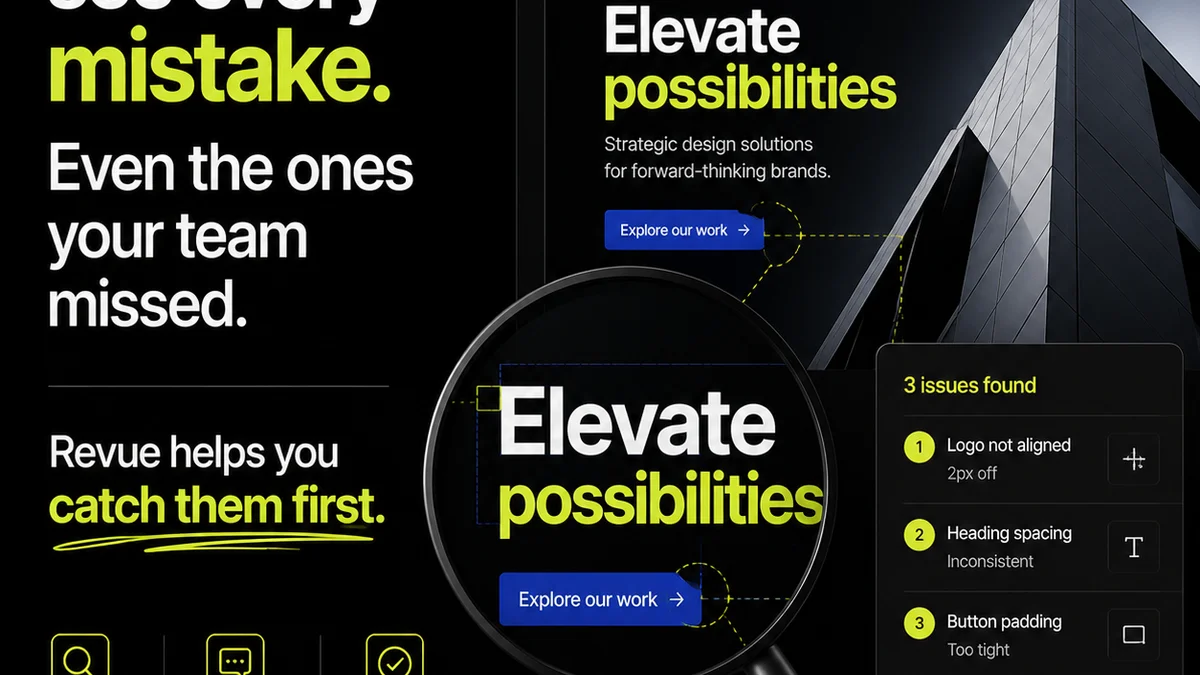
Everyone talks about chasing ROI. For creative agencies, that usually means tracking billable hours, client acquisition cost, and profit margins. None of that is wrong.
But it’s incomplete.
The real ROI killer isn't just about sales or overhead. It's buried deep in your creative workflow. It's the friction, the back-and-forth, the endless revisions that drain time, money, and morale without adding tangible value. Growing agencies often ignore these operational leaks, assuming they’re just ‘part of the job.’ They’re not. They’re mistakes that actively sabotage your growth.
1. The Assumption: More Feedback is Better Feedback
It’s a common trap: the more eyes on a creative piece, the better the outcome. We assume that gathering input from everyone, everywhere, at every stage, will lead to a polished, client-approved masterpiece. This often devolves into a chaotic mess of conflicting opinions and subjective critiques.
The deeper truth? Unstructured, undigested feedback is a productivity black hole. It leads to scope creep, diluted creative vision, and wasted hours. Clients don’t always know what they want, and giving them too many chances to change their minds is a recipe for disaster. It’s not about the quantity of feedback, but the quality and how it’s managed.
The Symptom: The Endless Revision Loop
You’ve seen it. A design goes out. The client sends back notes:
- “Can we make the logo a bit bigger?”
- “I’m not sure about this shade of blue. Maybe something… warmer?”
- “My assistant’s cousin thinks the font is a little hard to read.”
- “Let’s try a different CTA button color. Red? No, maybe green.”
Each round of these vague, often contradictory notes eats up valuable designer time. It’s not constructive criticism; it’s guesswork dressed up as input. And you’re charging for it, but at what real cost to your team’s sanity and your project timelines?
The Fix: Centralize and Structure Feedback
Stop the email-chain madness. Implement a single source of truth for feedback. This means:
- Designated client approvers.
- Clear feedback deadlines.
- Using tools that allow for contextual, actionable comments directly on the creative asset.
- Training clients on how to provide effective feedback (e.g., focusing on strategic goals, not just personal preference).
When feedback is structured, it becomes manageable. It becomes actionable. It stops being a drain and starts being a contribution.
2. The Assumption: Revision Rounds Are Predictable Costs
Many agencies build a standard number of revision rounds into their proposals. Two rounds, maybe three. They see this as a predictable cost of doing business, a buffer against the unknown.
The deeper truth? This assumption is a ticking time bomb for your profitability. Unforeseen, sprawling revision cycles aren't just an occasional nuisance; they're a symptom of deeper process failures. When you don't accurately scope the *potential* for revisions or manage them rigorously, they become a massive, hidden drain on your resources.
The Symptom: Profitability Erosion
Consider a project where the initial scope was tight, but the client’s requests spiraled. You’ve used up your allocated rounds and are now doing work for free. This isn’t just about the hours spent; it’s about:
- The opportunity cost: those hours could have been spent on profitable new business or other billable projects.
- Team burnout: designers get frustrated working on endless, unfocused changes.
- Client dissatisfaction: even if they’re getting extra work, they might feel the project is never truly finished or that the agency is inefficient.
This eats away at your margins, project by project, until you wonder why you’re busy but not getting richer.
The Fix: Scope Rigorously and Manage Scope Creep Actively
Your proposals need to be more than just a price tag. They need to:
- Clearly define what’s included and, crucially, what’s *not* included.
- Detail the number of revision rounds and the *type* of feedback expected in each.
- Include a clear process for handling out-of-scope requests, including a change order process and associated costs.
- Use a platform that tracks every revision, every approval, and every request, making scope creep visible and undeniable.
When scope creep is visible, it can be managed. When it’s hidden in email threads and Slack messages, it’s a silent killer.
3. The Assumption: Approvals Are Just a Checkbox
We often treat client approvals as a formality. Send it, get a “Looks good!” back, and move on. It feels like progress, a green light to the next stage.
The deeper truth? Approvals are the linchpin of your project’s financial health and your team’s efficiency. Treating them as a mere formality means you’re missing critical opportunities to confirm alignment, manage expectations, and prevent costly rework down the line. A premature or unclear approval is worse than no approval at all.
The Symptom: Rework After the Fact
Imagine this: The client gives a final approval on a batch of social media assets. Your team moves on to the next project. Two days later, a frantic email arrives: “Hey, we realized we actually wanted a different campaign theme entirely. Can we rework these?”
This happens because:
- The initial approval was based on incomplete information or a rushed review.
- The client didn’t fully grasp the implications of their approval.
- There was no formal sign-off mechanism that locked in the agreed-upon direction.
Now you’re back at square one, potentially with a significant portion of the project needing to be redone. This is pure waste. It’s hours of work that won’t be billed and will directly impact your bottom line.
The Fix: Formalize and Visualize Approvals
Every stage of your creative process needs clear, documented sign-offs. This involves:
- Defining clear approval stages within your project plan.
- Using a system where clients can formally approve or reject specific deliverables with a timestamped record.
- Ensuring all stakeholders who need to approve have actually done so before moving forward.
- Making the approval status immediately visible to the entire team and the client.
Formal approvals act as gatekeepers. They ensure everyone is aligned *before* significant downstream work begins, protecting both your profitability and your team’s time.
4. The Assumption: Quality Control is Someone Else’s Job
Many agencies assume that if the client signed off, the work is done and dusted. Quality control is seen as an internal team responsibility, or worse, something that happens organically through client feedback.
The deeper truth? A lack of dedicated, structured quality control is a direct hit to your agency’s reputation and, consequently, its long-term ROI. Errors, inconsistencies, or work that doesn’t meet strategic objectives, even if approved, can lead to client churn and damage your brand.
The Symptom: Slipping Standards and Missed Briefs
What does poor QC look like? It’s subtle but deadly:
- Typos in final copy.
- Inconsistent branding across deliverables.
- Assets not meeting technical specifications (e.g., wrong dimensions for web banners).
- Creative that misses the strategic mark, even if the client didn’t explicitly call it out.
- A general feeling that the final output isn't as polished as it should be.
These aren’t just minor glitches. They erode client confidence. They suggest a lack of attention to detail. They mean you’re not delivering your best, and that’s a costly mistake for any agency aiming to grow.
The Fix: Build QC into the Workflow
Quality control shouldn’t be an afterthought. It needs to be a defined process:
- Implement a multi-stage review process: self-review, peer review, and a final QC check before client delivery.
- Create checklists for common deliverables to ensure all standards are met.
- Ensure your QC process includes a check against the original brief and strategic objectives, not just aesthetic preferences.
- Empower a specific person or role to be the final gatekeeper for quality.
Proactive quality control prevents problems before they reach the client, saving rework, boosting satisfaction, and protecting your agency’s hard-earned reputation.
Where Revue Fits In
These operational mistakes—unstructured feedback, scope creep, unclear approvals, and weak QC—all stem from a lack of centralized visibility and control over the creative process. Agencies trying to grow need systems that bring order to this chaos.
Revue is built for this. It provides a single platform to:
- Centralize client feedback: Comments are contextual, threaded, and directly on the asset, eliminating email chains and confusion.
- Manage revisions and approvals: Every version is tracked, every approval is documented, and clients have a clear interface to give feedback or sign off. This makes scope creep visible and manageable.
- Streamline quality checks: With clear version history and documented approvals, your team has a solid foundation for final QC, ensuring nothing slips through the cracks before delivery.
By bringing clarity and accountability to these critical workflow stages, Revue helps agencies move faster, reduce waste, and ultimately improve their creative ROI.
Final Thought
Is your agency truly profitable, or just busy? The difference often lies not in winning more clients, but in optimizing the work you’re already doing. By addressing these hidden ROI mistakes in your creative process, you can unlock significant growth without adding headcount or chasing more billable hours. It’s about working smarter, not just harder.
Frequently asked questions
What are the biggest ROI mistakes creative agencies make?
The biggest ROI mistakes often aren't financial, but operational. They include managing feedback poorly, allowing scope creep without consequence, treating approvals as a formality, and neglecting structured quality control. These issues drain resources, increase timelines, and erode profitability.
How can I prevent endless revision cycles?
Prevent endless revision cycles by centralizing feedback in one platform, clearly defining the scope of work and revision rounds in your proposals, and educating clients on how to provide actionable feedback. Formalizing approvals at each stage also prevents backtracking.
Why is client approval so important for ROI?
Client approval is critical because it signifies alignment and locks in a direction. Treating it as a formality leads to costly rework when clients change their minds later. Formal, documented approvals protect your profitability by preventing work done outside the agreed scope.
How does a tool like Revue help improve creative ROI?
Revue helps improve creative ROI by centralizing feedback, streamlining revisions and approvals, and providing clear version history. This visibility reduces confusion, minimizes scope creep, prevents rework, and ensures quality, all of which contribute to more efficient and profitable projects.