Everyone’s talking about ROI. Especially in creative. And if you’re like most leaders, you’re probably thinking about metrics. Engagement rates. Conversion numbers. Brand lift studies. That’s all good stuff. But it’s not the whole story.
The hard truth about creative ROI is that it’s far more operational than you might think. It’s less about the splashy campaign results and more about the quiet efficiency of your team’s workflow.
1. The Hidden Cost of Inefficiency
You can have the most brilliant creative minds, but if their time is wasted in endless email chains, chasing down feedback, or manually tracking revisions, your ROI tanks. This isn't just about lost hours; it's about lost creative energy.
The Feedback Loop Black Hole
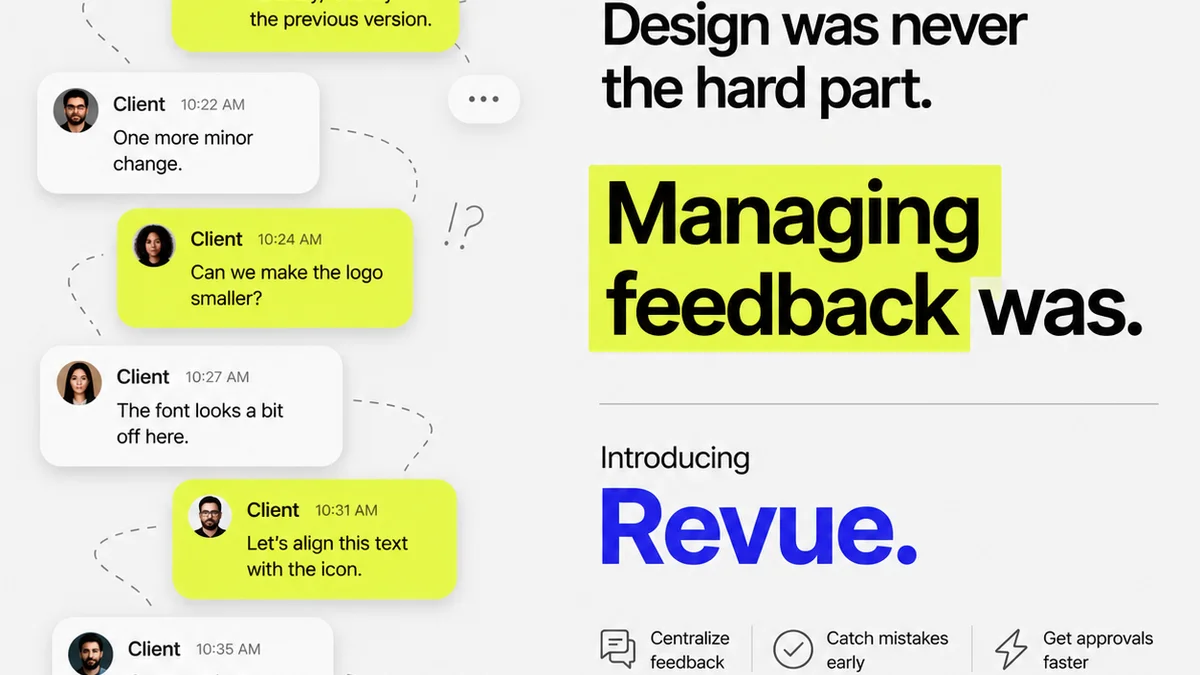
Client feedback is essential, but it’s also a notorious productivity killer when mishandled. Scattered comments across emails, Slack, and even random documents create confusion and delay.
This leads to:
- Wasted revisions on misunderstood feedback.
- Internal arguments about what the client *actually* said.
- Extended project timelines.
- Frustrated team members.
- Unhappy clients who see delays as incompetence.
Revision Chaos
Tracking changes, ensuring the latest version is being worked on, and getting final sign-off can feel like herding cats. Without a clear system, versions get mixed up, and approvals are missed.
The result?
- Duplicated work.
- Reverting to older versions by mistake.
- Missed deadlines due to approval bottlenecks.
- Costly rework that eats into margins.
2. Client Satisfaction as a Core KPI
The traditional view of ROI often focuses on the client’s direct business results. But a significant portion of your creative ROI is directly tied to the client experience itself. A happy client is a repeat client. And a repeat client is the highest form of ROI.
The Value of Clarity
Clients want to feel informed and in control. When they can easily see the progress, understand the feedback process, and get clear visibility into revisions, their confidence grows. This reduces their anxiety and makes them easier to work with.
Streamlined Communication = Stronger Relationships
When feedback is centralized and revisions are tracked transparently, you eliminate the common points of friction that damage client relationships. This isn't about being a mind-reader; it's about having a robust process.
Clients notice when you’re organized. They notice when you make their lives easier.
- Fewer
Frequently asked questions
What is the biggest misconception about creative ROI?
The biggest misconception is that creative ROI is solely about campaign performance metrics like engagement or conversion rates. While those are important, the deeper truth is that operational efficiency and client satisfaction play a massive role in a creative business's profitability and long-term success.
How does client feedback impact creative ROI?
Inefficient client feedback loops are a major drain on resources. Scattered feedback across emails and messages leads to misunderstandings, wasted revisions, and extended timelines, all of which negatively impact your project margins and client satisfaction, thereby lowering your overall ROI.
Can you give examples of operational inefficiencies that hurt creative ROI?
Certainly. Examples include manual revision tracking, unclear approval processes, scattered feedback leading to duplicated work, difficulty in version control, and excessive time spent by creatives on administrative tasks rather than creative output.
How does Revue help improve creative ROI?
Revue centralizes client feedback, streamlines revision and approval workflows, and provides clear version control. This reduces miscommunication, minimizes wasted effort, speeds up project timelines, and ultimately enhances client satisfaction, all contributing to a healthier creative ROI.