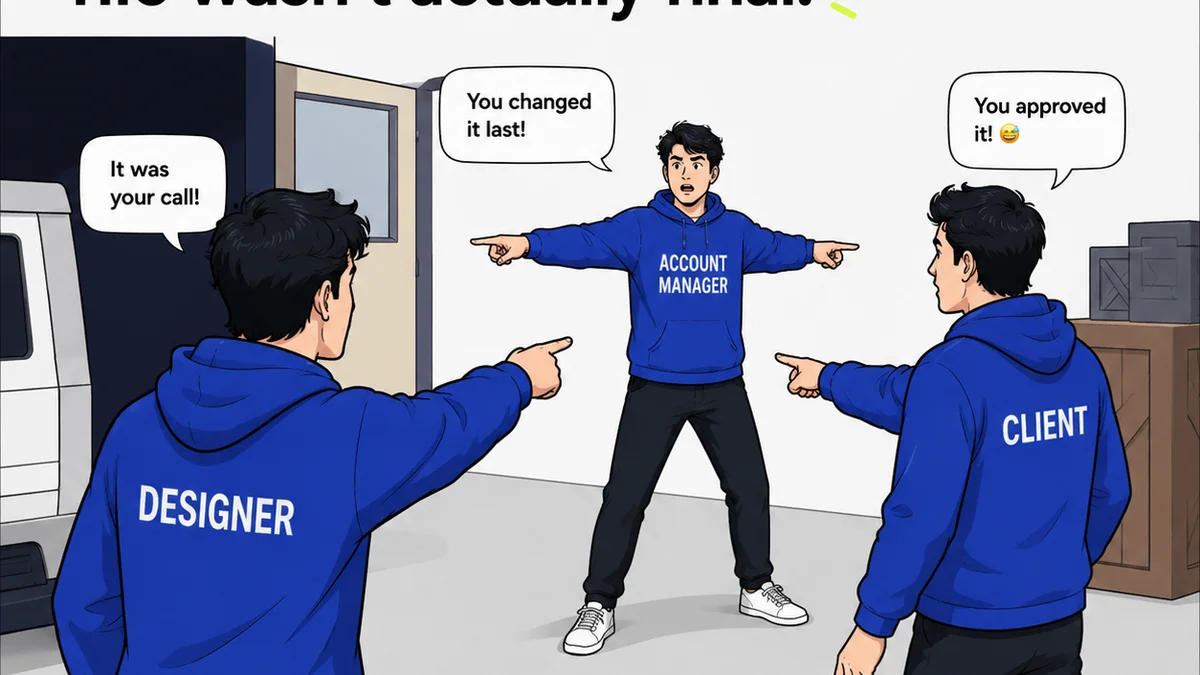
Everyone talks about scaling. You hear it in every agency owner's pitch and every creative director's five-year plan. The assumption? Scaling means growth. More clients, bigger projects, more revenue. And sure, that’s the goal.
But that’s not the whole story.
The real challenge of scaling isn’t attracting more business. It’s building an operational engine that can handle that business without breaking.
Most agencies think scaling is about hiring. More hands on deck. More talent. None of that is wrong. But it’s incomplete.
The hard truth is, scaling is about systemization. It’s about refining your processes so that adding more volume doesn't add more chaos. It’s about building flexibility into your core operations.
1. The Bottleneck Fallacy: Why More People Isn't Always the Answer
The knee-jerk reaction to increased demand is always to hire. A project is late? Hire another project manager. Too much client feedback? Hire a dedicated account person. The team’s overworked? Hire more creatives.
This is a dangerous trap.
Adding headcount without addressing the underlying process is like pouring more water into a leaky bucket. You just end up with more mess.
Think about it:
- Are your project timelines consistently slipping, even with a full team?
- Is client communication a constant game of telephone, leading to rework?
- Are your creative reviews bogged down by endless, unstructured feedback?
- Is quality control slipping because everyone is just trying to get the next thing out the door?
If you answered yes to any of these, hiring more people will likely just amplify the existing problems. The new hires will get caught in the same inefficient workflows. They’ll struggle with the same unclear briefs, the same chaotic feedback loops, the same lack of visibility.
Scaling isn't about adding bodies; it's about fixing the plumbing.
The Real Bottlenecks
The true bottlenecks in creative scaling are rarely a lack of talent. They are:
- Unclear Briefs: If the brief isn't crystal clear, the best creative team in the world will struggle.
- Fragmented Feedback: Email chains, Slack messages, random calls – this is a recipe for missed details and conflicting instructions.
- Manual Revision Tracking: Who asked for what? When? Was it approved? This manual tracking is inefficient and error-prone.
- Lack of Process Visibility: When no one knows where a project stands, or who is responsible for the next step, things grind to a halt.
- Inconsistent Quality Checks: Without a standardized way to review work before it goes to the client, errors inevitably slip through.
Addressing these systemic issues is the real work of scaling.
2. Systemizing the Creative Workflow: From Art to Algorithm
Scaling requires moving beyond ad-hoc processes. You need to build a repeatable, predictable system for your creative output.
This doesn't mean turning your agency into a soulless factory. It means creating a framework that allows creativity to flourish within structured boundaries.
Consider the core stages of a creative project:
- Briefing
- Concepting & Ideation
- Design & Production
- Feedback & Revisions
- Approval
- Final Delivery
Each of these stages needs clear inputs, defined outputs, and established protocols. What does a 'good' brief look like? How is feedback collected? What constitutes a 'final' approval?
Standardizing Inputs and Outputs
This means developing templates, checklists, and clear criteria for each stage. For example:
- Briefing Template: A standardized document that forces clarity on objectives, target audience, key messages, deliverables, and constraints.
- Feedback Guidelines: Clear instructions for clients and internal teams on how to provide constructive, actionable feedback.
- Revision Matrix: A tool to log every change request, its source, its status, and its impact on timeline and budget.
- Quality Assurance Checklist: A pre-flight checklist for every deliverable to ensure it meets brand standards, technical specs, and project requirements.
These aren't meant to stifle creativity, but to channel it effectively. They ensure that the team's energy is focused on the creative problem, not on deciphering instructions or chasing down lost feedback.
When your processes are robust, you can onboard new team members faster. You can handle more projects simultaneously. And crucially, you can maintain quality and client satisfaction as you grow.
3. The Feedback Loop: Turning Chaos into Clarity
Client feedback is the lifeblood of creative work. But it’s also frequently the single biggest source of project friction and delay. Unstructured, subjective, or conflicting feedback can derail even the best projects.
Scaling means transforming your feedback process from a chaotic free-for-all into a structured, actionable system.
Common Feedback Nightmares
We’ve all been there:
- “Make it pop more.”
- “I don’t like it, but I don’t know why.”
- Conflicting feedback from different stakeholders.
- Feedback arriving days or weeks late.
- Feedback buried in a long email thread.
These issues multiply exponentially when you're scaling. More clients, more stakeholders, more projects mean more opportunities for feedback to get lost, misinterpreted, or ignored.
Building a Better Feedback System
The solution isn't to stop getting feedback. It's to manage it intelligently.
- Centralize Everything: All feedback should live in one place, linked directly to the creative asset. No more hunting through emails or Slack.
- Context is Key: Feedback needs to be tied to the specific version of the asset it refers to. Annotations directly on the image or video are invaluable.
- Actionable Notes: Train clients and internal stakeholders on how to provide specific, objective, and actionable feedback. Guide them towards constructive criticism rather than vague directives.
- Version Control: Clearly delineate between versions. Users should always be commenting on the latest approved iteration, with easy access to previous versions for reference.
- Clear Approval Workflows: Define who needs to approve what, and when. Automated notifications for approvals and rejections streamline the process.
A well-managed feedback process means less back-and-forth, fewer misunderstandings, and faster project completion. It frees up your creatives to focus on execution, not on deciphering vague requests.
4. The Approval Gauntlet: Ensuring Sign-Off Without Sign-Off-My-Life
Approvals are the gatekeepers of progress. But a slow, opaque, or overly bureaucratic approval process can become a major scaling impediment.
When approvals are clunky, they don't just delay projects; they create anxiety, erode trust, and frustrate both the creative team and the client.
The Approval Bottleneck
What slows down approvals?
- Unclear Stakeholders: Not knowing who has the final say.
- Delayed Responses: Approvers are busy and forget.
- Lack of Context: Approvers don't have the full project brief or history.
- Manual Tracking: Relying on emails or spreadsheets to track who has seen what and who needs to sign off.
- Fear of Commitment: Stakeholders delaying decisions, hoping something better comes along or fearing they'll be blamed if it goes wrong.
As you scale, the number of stakeholders involved in approvals can grow, making this bottleneck even more pronounced.
Streamlining the Sign-Off
The goal is to make approvals clear, efficient, and accountable.
- Define Roles Clearly: Establish who is a reviewer and who is an approver.
- Automate Reminders: Set up automated nudges for pending approvals.
- Provide Full Context: Ensure approvers have access to the brief, previous feedback, and the current deliverable in one place.
- Visual Proofing: Use tools that allow for clear visual markup and annotation, making it easy to see exactly what is being approved.
- Status Transparency: Everyone involved should be able to see the status of an approval at a glance.
When approvals are smooth, your projects move faster, your clients feel more in control, and your team can rely on a predictable workflow. This is critical for scaling.
Where Revue Fits In
Scaling a creative operation means taming complexity. It means bringing order to the inherent messiness of creative collaboration.
This is precisely why platforms like Revue were built.
Revue provides a centralized hub for managing the entire creative lifecycle. Instead of juggling disparate tools and endless email threads, you get a single source of truth.
- Centralized Feedback: All client and stakeholder comments are logged directly on the creative asset, with clear version control. This eliminates confusion and ensures everyone is commenting on the same iteration.
- Streamlined Revisions: Track every change request, link it to feedback, and manage the revision process efficiently.
- Clear Approval Workflows: Define approval stages, assign stakeholders, and get clear sign-offs, reducing delays and increasing accountability.
- Project Visibility: Gain a clear overview of where every project stands, who is responsible for the next step, and what feedback is outstanding.
- Quality Assurance: Implement checklists and structured review processes to ensure deliverables meet standards before client submission.
By bringing these critical functions into one integrated system, Revue helps agencies and in-house teams build the robust, scalable operational foundation they need to grow without sacrificing quality or sanity.
Final Thought
Scaling is a test of your operational maturity. It reveals the cracks in your processes, the inefficiencies in your communication, and the weaknesses in your systems.
Are you building a business that can truly grow, or just one that's getting busier?
Frequently asked questions
What is the biggest mistake agencies make when trying to scale?
The most common mistake is focusing solely on hiring more people without first optimizing and systemizing their internal processes. This often leads to amplifying existing inefficiencies and chaos rather than achieving sustainable growth.
How does feedback management relate to scaling?
Unstructured feedback is a major bottleneck. As you scale, the volume and complexity of feedback increase. A centralized, clear, and actionable feedback system is crucial for maintaining project momentum and client satisfaction during growth.
Can systemization stifle creativity?
No, not if done correctly. Systemization provides a clear framework and reduces administrative overhead, freeing up creatives to focus on the core creative problem. It channels energy effectively rather than restricting it.
What are the key components of a scalable creative workflow?
Key components include standardized briefing, clear concepting guidelines, efficient production processes, centralized and actionable feedback, streamlined approvals, and robust quality assurance checks. Visibility across all stages is also vital.