Everyone talks about scaling a creative agency. The assumption is simple: more clients means more people. More projects mean bigger teams. It’s a linear equation. More inputs, more outputs. Hire more designers, writers, account managers, and you’ll grow.
None of that is wrong. But it’s incomplete. It’s the easy answer. The hard truth is that true creative scaling isn't about adding headcount linearly. It’s about optimizing your entire operational engine.
World-class agencies don't just get bigger. They get better, faster, and more efficient as they grow. They unlock capacity without simply increasing costs proportionally. This is the real secret to sustainable growth in the creative industry.
1. The Myth of the 'All-Star' Project
Many agencies fall into the trap of treating every project like a unique, high-stakes production. This often leads to bespoke workflows, ad-hoc processes, and a reliance on individual heroics. It feels necessary for quality, but it kills scalability.
The reality? Most projects follow predictable patterns. They have common phases, recurring tasks, and standard deliverables. Over-engineering every single one is a drain on resources and a bottleneck for growth.
The Cost of Customization
When every project requires a custom setup:
- Onboarding new team members takes longer.
- Knowledge transfer becomes a constant challenge.
- Quality control becomes a manual, reactive process.
- Estimating time and budget becomes guesswork.
- Client communication gets fragmented.
This approach creates dependency on key individuals, making the agency fragile. It also leads to burnout. The focus shifts from strategic delivery to firefighting.
Standardize, Don't Stagnate
World-class agencies identify the core components of their work. They build standardized frameworks and templates for these components. This isn't about cookie-cutter creativity; it's about creating a robust foundation.
Think of it like a chef. They have standardized recipes and mise en place. This allows them to cook complex dishes efficiently. They can then add their unique flair and artistry on top. The core process remains efficient.
- Develop a library of common project templates.
- Create checklists for recurring tasks and phases.
- Document best practices for common client types.
- Establish clear handover points between teams.
This standardization frees up mental bandwidth. It allows teams to focus on the creative problem-solving, not the administrative overhead.
2. Feedback Loops: The Unseen Bottleneck
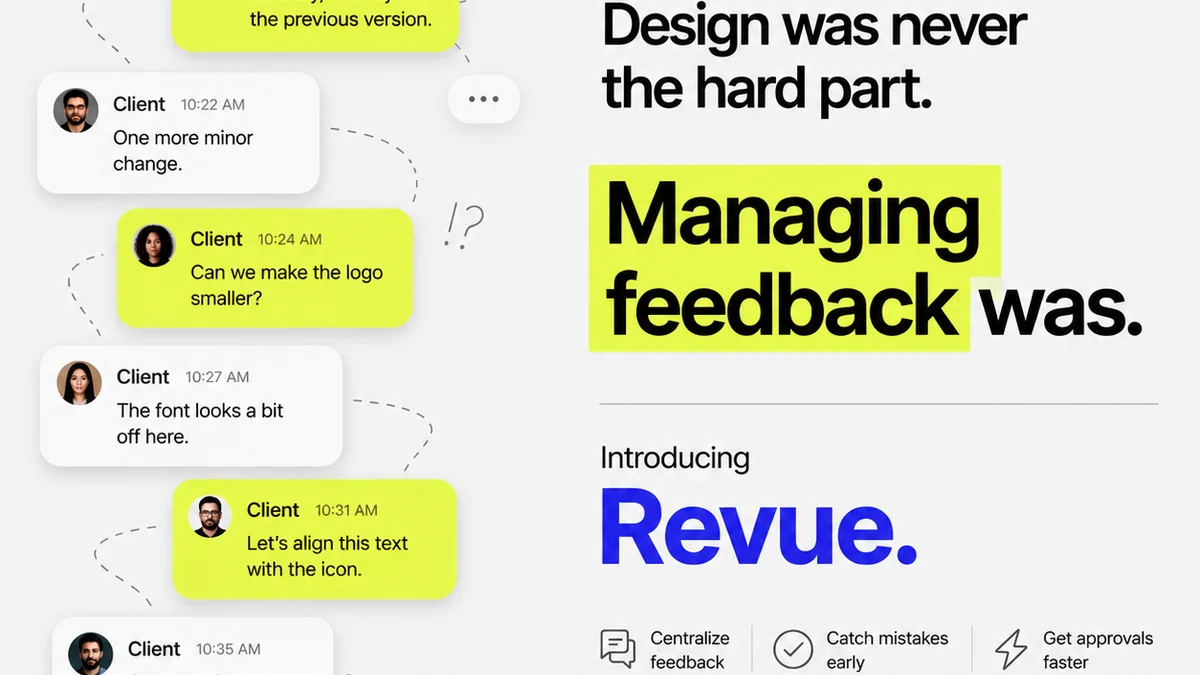
Client feedback is the lifeblood of creative work. But it's also a notorious bottleneck. Unstructured, unclear, or delayed feedback can derail entire projects. This is where many agencies bleed time and money.
The common assumption is that feedback is just part of the process. It’s something to be managed reactively. The deeper truth is that the *structure* and *clarity* of your feedback process directly impacts your ability to scale.
Symptoms of Poor Feedback Management
Does this sound familiar?
- Endless revision rounds that don't seem to improve the work.
Frequently asked questions
What is the biggest mistake agencies make when trying to scale?
The biggest mistake is assuming scaling means simply hiring more people. True scaling is about optimizing processes and systems to handle increased volume efficiently without a proportional increase in costs or a decrease in quality.
How can standardized workflows help with creative scaling?
Standardized workflows create predictable processes for common tasks and project phases. This reduces ambiguity, speeds up execution, improves consistency, and makes it easier to onboard new team members, all of which are crucial for handling more work.
Why is client feedback a bottleneck for scaling?
Unstructured, unclear, or delayed feedback leads to endless revisions, wasted effort, and project delays. Agencies that implement clear, centralized, and actionable feedback processes can significantly reduce these bottlenecks and improve their throughput.
What role does technology play in creative scaling?
Technology, like dedicated feedback and approval platforms, automates tedious tasks, centralizes communication, provides clear audit trails, and improves visibility across projects. This frees up human resources to focus on creative work rather than administrative overhead.