Everyone talks about scaling. Growing your agency, taking on bigger clients, making more money. It sounds like the ultimate goal, right?
And it is. But the common advice you’ll hear is incomplete. It focuses on the obvious: hire more people, get a bigger office, buy better software.
None of that is wrong. But it’s incomplete.
The hard truth about scaling a creative business is that it’s less about *adding* and more about *systemizing*. It’s about building a robust operational framework that can absorb more work, more clients, and more revenue without collapsing under its own weight.
1. The Myth of the 'Growth Spurt'
Many agencies expect growth to be a sudden, explosive event. A few big wins, a couple of new hires, and suddenly you’re operating at a higher level.
This rarely happens. Real scaling is more like building a dam. It’s incremental, requires constant reinforcement, and is built on a solid foundation.
If you’re just adding people to a broken process, you’re not scaling. You’re just adding chaos.
The Hidden Costs of Unmanaged Growth
- Increased errors and missed deadlines
- Client dissatisfaction and churn
- Burnout among your best talent
- Erosion of your agency's reputation
- Loss of profitability despite increased revenue
These aren't signs of bad luck. They're symptoms of a system that can't handle the load.
2. Building Your Operational Foundation
Before you even think about adding headcount, you need to shore up your internal processes. This is where the real work of scaling happens.
Think of it like preparing the ground before you build a skyscraper. You wouldn't start pouring concrete without digging deep foundations, would you?
Project Management: The Engine of Efficiency
This is non-negotiable. Your project management system needs to be more than a glorified to-do list. It needs to be the central nervous system for every project.
- Clear Briefing: Every project starts with a crystal-clear brief that everyone understands. No ambiguity.
- Defined Workflows: Map out every stage of your typical projects. Who does what, when, and how?
- Resource Allocation: Understand who is working on what, and when they’ll be available. Avoid overbooking.
- Milestone Tracking: Break down projects into manageable milestones with clear deliverables and deadlines.
- Automated Reminders: Reduce manual follow-ups for tasks and approvals.
A robust PM system prevents tasks from falling through the cracks. It gives you visibility.
Client Communication: Managing Expectations
Scaling means more clients, and more clients mean more communication. If this isn't managed, it becomes a time sink and a source of friction.
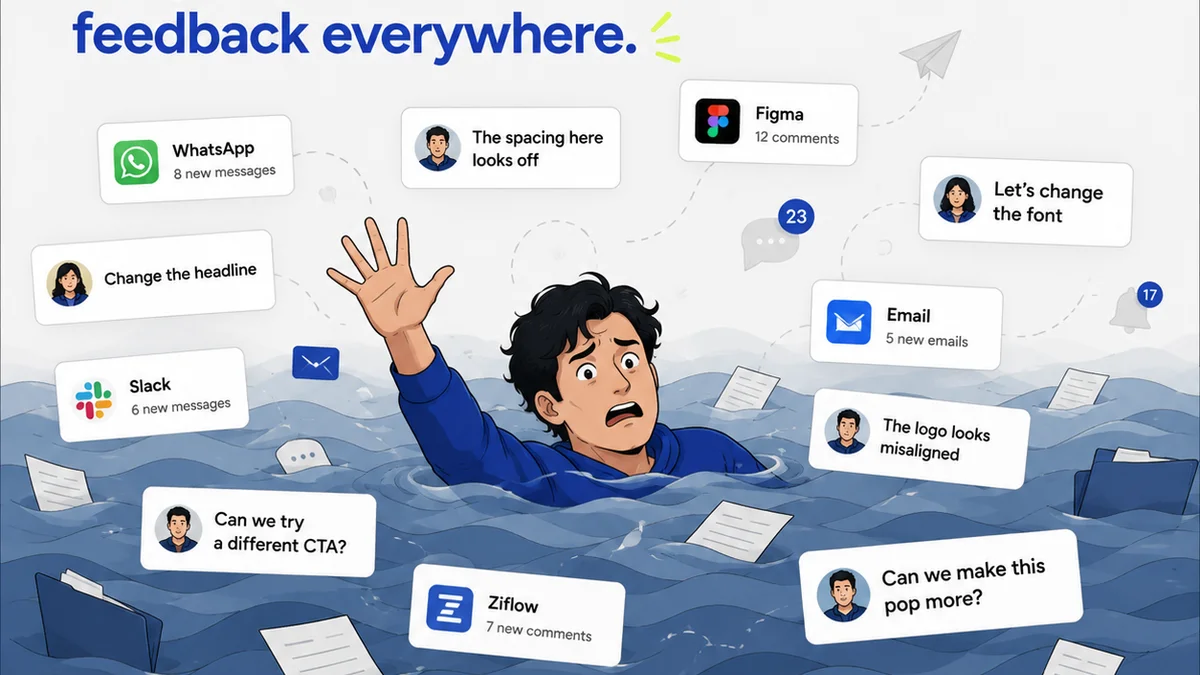
- Centralized Communication Hub: Where does all client feedback live? It shouldn't be scattered across emails, Slack, and random documents.
- Standardized Reporting: Regular, predictable updates keep clients informed and reduce ad-hoc queries.
- Defined Feedback Loops: How do clients provide feedback? How do you process it? Make it clear and efficient.
- Proactive Problem Solving: Identify potential issues early and communicate them transparently to the client.
Good communication builds trust. Bad communication erodes it, fast.
Financial Management: The Bottom Line
You can’t scale if you’re not profitable. This means understanding your numbers inside and out.
- Accurate Time Tracking: You need to know exactly how long tasks take to price projects correctly and identify inefficiencies.
- Project Budgeting: Set realistic budgets and track actual spend against them in real-time.
- Invoicing and Payments: Streamline your invoicing process to ensure you get paid on time, every time.
- Profitability Analysis: Regularly review which types of projects and clients are most profitable.
Growth without profit is just a treadmill. You’re running, but you’re not getting anywhere.
3. The 'Right' Hires: Quality Over Quantity
When you do start hiring, resist the urge to fill seats just to keep up. Hire for strategic gaps.
The people you bring on board need to be adaptable, process-oriented, and aligned with your agency’s culture.
Identifying Your Needs
Don’t just hire a 'designer' or a 'developer'. Hire for specific skills and responsibilities that your current team is stretched thin on.
- Specialists vs. Generalists: Do you need someone who can do a bit of everything, or someone who excels at one critical task?
- Process Adherence: Can this person follow existing workflows, or will they create more work by deviating?
- Problem Solvers: Look for candidates who can identify issues and propose solutions, not just execute tasks.
- Cultural Fit: Will this person collaborate effectively and contribute positively to your team dynamic?
A bad hire can set you back months. A great hire can accelerate your scaling efforts exponentially.
4. Technology as an Enabler, Not a Crutch
Software tools are essential for scaling, but they are only as good as the processes they support.
Don’t buy a tool and expect it to magically fix your problems. Understand your needs first, then find the tool that fits.
Key Areas for Tech Investment
- Project Management Software: As mentioned, this is foundational.
- Client Proofing & Approval Tools: Streamline feedback and sign-offs.
- Time Tracking Software: Essential for billing and profitability analysis.
- Financial Management Software: Accounting, invoicing, and reporting.
- Communication Platforms: Internal and external communication tools.
The goal is integration. Your tools should talk to each other, creating a seamless flow of information.
5. Where Revue Fits In
Managing client feedback, revisions, and approvals is often a major bottleneck when scaling. Emails get lost, comments are ambiguous, and tracking down the final sign-off can be a nightmare.
Revue provides a centralized, clear platform for all creative work and client interactions.
- Centralized Feedback: All client comments and markups live in one place, attached directly to the creative asset. No more digging through email chains.
- Revision Visibility: Track every version of a design, see who approved what, and when. This creates an irrefutable audit trail.
- Streamlined Approvals: Clients can easily review and approve work, and you can see the status of every approval at a glance.
- Quality Control: By having a clear record of feedback and approvals, you can ensure that the final output meets all requirements and client expectations.
This isn't just about making life easier; it's about building a more efficient, reliable system that can handle increased client volume and complexity. It’s about de-risking the delivery process.
Final Thought
Scaling a creative agency is a marathon, not a sprint. It’s about building a resilient, efficient machine, not just chasing bigger projects.
Are you building a system that can grow with you, or are you just hiring more people to fix problems that already exist?
Frequently asked questions
What's the biggest mistake agencies make when trying to scale?
The biggest mistake is focusing solely on hiring more people without first building robust operational systems and processes. This leads to chaos, inefficiency, and burnout, even with a larger team.
How important is project management software for scaling?
It's critical. A good PM system acts as the central nervous system for your agency, providing visibility into project status, resource allocation, deadlines, and client communication. Without it, managing increased volume becomes impossible.
Should I hire specialists or generalists when scaling?
It depends on your agency's specific needs and growth stage. Often, scaling requires bringing in specialists to fill critical gaps where your generalist team is stretched thin. However, ensure they can integrate with your existing processes.
How can client feedback tools help with scaling?
Tools like Revue centralize feedback, provide clear version control, and streamline the approval process. This reduces miscommunication, minimizes revision cycles, and creates a reliable audit trail, all of which are essential for handling more clients and projects efficiently.
What is the 'hard truth' about creative scaling?
The hard truth is that scaling is less about adding resources and more about systemizing operations. It requires building a strong, repeatable framework that can handle increased workload and complexity without breaking down.