Everyone wants to scale. It’s the ultimate goal, right? More clients, bigger projects, fatter profit margins. You see agencies double, triple, quadruple in size and think, “That’s the dream.”
None of that is wrong. But it’s incomplete.
Scaling isn’t just about acquiring more work. It’s about building a machine that can handle that work without breaking. And most creative operations are anything but machines. They’re collections of talented individuals, brilliant in their craft, but often drowning in chaos when demand spikes.
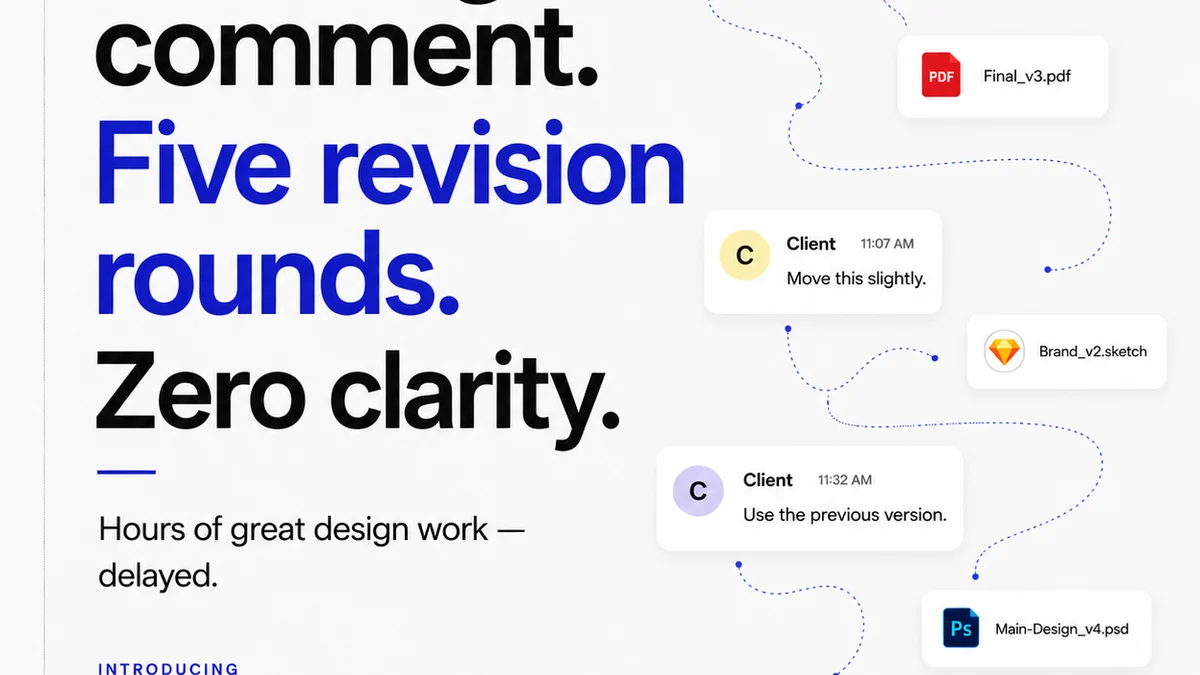
The hard truth about scaling creative work is this: it exposes every single operational weakness you have. Growth doesn't solve problems; it amplifies them. If your feedback process is messy, scaling makes it a nightmare. If your revision tracking is weak, scaling makes it impossible. If quality control is an afterthought, scaling guarantees disaster.
1. The Myth of the
Frequently asked questions
What's the biggest mistake agencies make when trying to scale?
The biggest mistake is focusing solely on acquiring more clients or projects without simultaneously shoring up their internal processes. Scaling amplifies existing inefficiencies, leading to burnout, missed deadlines, and decreased quality.
How can I improve client feedback loops without scaling?
Implement a centralized feedback system. Use tools that consolidate comments and markups in one place, require clear feedback guidelines from clients, and schedule regular check-ins to discuss feedback before revisions begin. This builds a strong foundation for when you do scale.
Is hiring more people always the answer to scaling?
Not necessarily. While more hands can help, scaling also requires process optimization. Sometimes, improving efficiency with existing staff through better tools and workflows can handle increased volume more effectively and cost-efficiently than simply hiring more people.
How do I maintain creative quality as my team grows?
Establish clear creative briefs and quality checklists. Implement a robust review and approval process. Use project management tools to ensure consistency and provide ongoing training and mentorship to new hires to maintain your agency's standards.