Everyone talks about scaling creative operations. They talk about hiring more people, buying more software, and streamlining processes. None of that is wrong. But it’s incomplete.
The real challenge of scaling creative for enterprise teams isn’t about adding more resources. It’s about building an *engine* that can handle complexity, volume, and speed without breaking.
The Hard Truth: Scale Isn't About More, It's About Better
Enterprise creative work is rarely a straight line from brief to final asset. It’s a labyrinth of stakeholders, brand guidelines, compliance reviews, and global variations. Scaling means navigating this labyrinth efficiently, not just hiring more guides.
It means transforming your creative department from a group of talented individuals into a predictable, high-output machine. A machine that can handle the biggest projects and the most demanding clients, consistently.
1. Decouple Creative Output from Individual Capacity
The biggest bottleneck in most creative teams is the reliance on specific individuals. A project gets stuck because Sarah is the only one who understands the new brand voice. Or Mark is the only one who can handle the video editing. This is not scalable.
Symptoms of Over-Reliance:
- Key people are always overloaded.
Frequently asked questions
What's the difference between scaling creative for SMBs vs. enterprise?
SMB scaling often focuses on increasing output volume. Enterprise scaling is about managing complexity, multiple stakeholders, global variations, and strict compliance alongside volume.
How can we measure creative team scalability?
Measure it by the team's ability to handle increased project volume and complexity without a proportional increase in errors, delays, or burnout. Look at turnaround times, revision cycles, and stakeholder satisfaction.
Is more software the answer to scaling creative?
Software is a tool, not a solution. It helps when processes are defined and people are trained. Too much unintegrated software can create more chaos than it solves.
What role does client feedback play in creative scaling?
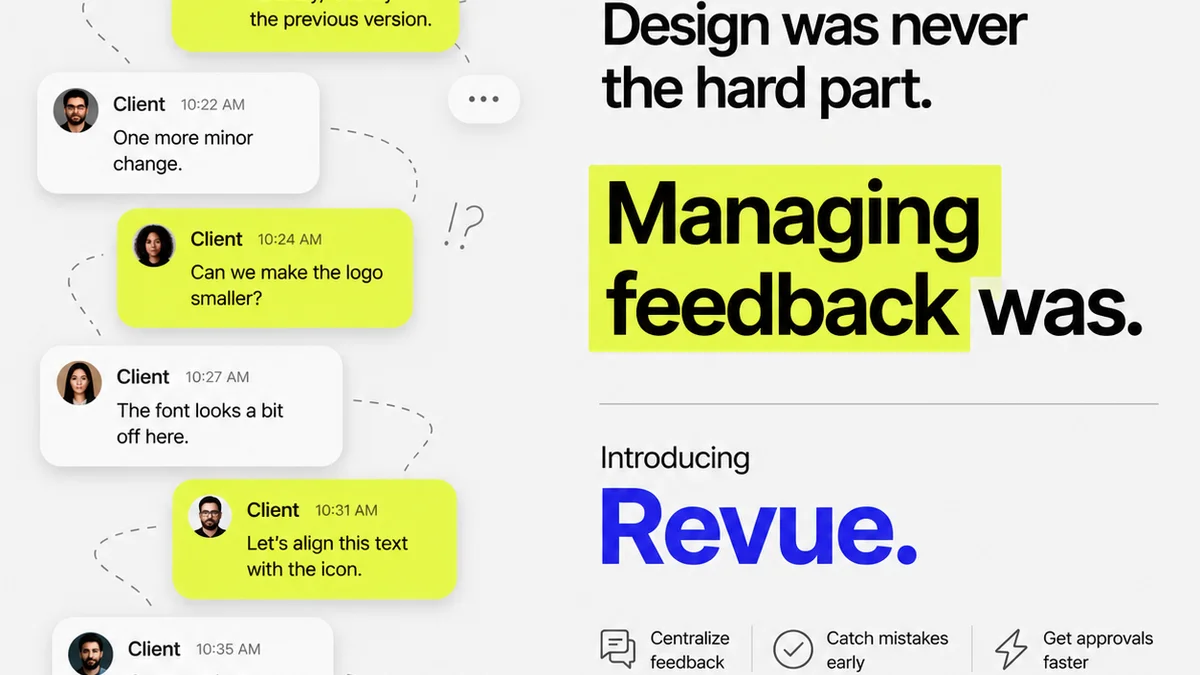
Unstructured or delayed feedback is a major bottleneck. Scalable teams implement clear feedback loops and centralized systems to manage input efficiently, reducing wasted iterations.