Everyone talks about Standard Operating Procedures (SOPs) for creative agencies. They’re seen as the secret sauce for consistency, the bedrock of predictable output. None of that is wrong. But it’s incomplete.
The real truth? An SOP isn't just a document you file away. It’s a living, breathing system that dictates how your team operates, collaborates, and ultimately, how much value you deliver. A poorly implemented SOP, or worse, no SOP at all, cripples your agency’s potential. A well-defined creative SOP template, however, is your blueprint for scalable success.
1. The Illusion of Spontaneity
Creative work is often romanticized as pure inspiration. A bolt from the blue. A spontaneous burst of genius.
This myth is dangerous for business. It suggests that process kills creativity. That structure is the enemy of innovation.
The reality is that great creative work rarely happens in a vacuum of chaos. It’s built on a foundation of robust processes that allow ideas to flourish. Think of a sculptor: they don't just randomly chip away at marble. They have a plan, a process, tools. The process enables the art.
The Hidden Costs of Ad-Hoc Workflows
When creative teams operate without clear SOPs, the costs are hidden but significant:
- Inconsistent quality across projects and clients.
- Wasted time on repetitive, avoidable mistakes.
- Difficulty onboarding new team members effectively.
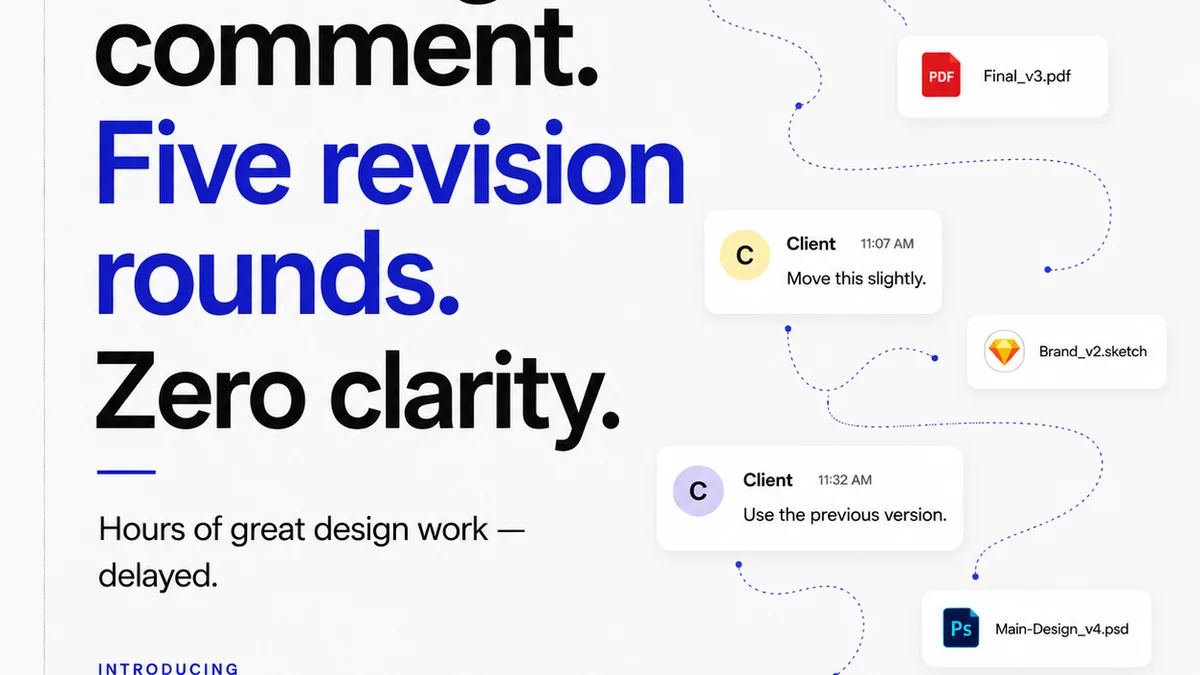
- Client frustration due to unclear communication and timelines.
- Team burnout from constant firefighting and ambiguity.
- Missed deadlines and budget overruns.
- Lack of clear ownership and accountability.
This isn't about stifling creativity. It's about creating the optimal environment for it to thrive, predictably and profitably.
2. Anatomy of a High-Performance Creative SOP
A creative SOP template isn't a single, monolithic document. It's a collection of defined processes, checklists, and guidelines tailored to your agency's specific needs. It should cover the entire project lifecycle, from initial brief to final delivery.
Key Components of Your SOP Template
What should a comprehensive creative SOP template include?
- Client Onboarding & Briefing:
- Standardized client intake forms.
- Mandatory elements for a client brief (objectives, target audience, key messaging, deliverables, budget, timeline, brand guidelines).
- Process for clarifying ambiguities in the brief.
- Kick-off meeting agenda and required attendees.
- Project Initiation & Scoping:
- Template for project proposals and statements of work (SOWs).
- Internal project brief template.
- Resource allocation and team assignment process.
- Risk assessment and mitigation planning.
- Creative Development & Ideation:
- Structured brainstorming session guidelines.
- Mood board and concept development process.
- Internal creative review and feedback protocols.
- Documentation standards for creative rationale.
- Design & Production Workflow:
- File naming conventions and folder structures.
- Brand guideline adherence checks.
- Accessibility standards (WCAG compliance for digital assets).
- Quality assurance (QA) checklists for different deliverable types (web, print, video, social).
- Version control and management.
- Client Feedback & Revisions:
- Standardized process for receiving and logging client feedback.
- Clear guidelines on how many revision rounds are included and what constitutes a
Frequently asked questions
What is a creative SOP template?
A creative SOP template is a pre-defined set of documents, checklists, and guidelines that standardize the processes involved in creative project delivery, from briefing to final output.
Why do creative agencies need SOPs?
SOPs ensure consistent quality, improve efficiency, reduce errors, facilitate team onboarding, manage client expectations, and make projects more predictable and profitable.
How often should a creative SOP be updated?
SOPs should be reviewed and updated at least annually, or whenever significant changes occur in technology, team structure, client needs, or agency processes. Regular audits are key.
Can SOPs stifle creativity?
When implemented correctly, SOPs do not stifle creativity. Instead, they provide a clear framework and eliminate mundane tasks, freeing up creative teams to focus on innovation and strategic thinking.