Everyone talks about creative Standard Operating Procedures (SOPs) as a way to get things done. You might even have a few pinned to a digital board or buried in a shared drive. That’s good. But it’s not enough.
The hard truth is that most agencies treat SOPs as a checklist, not a system. They’re seen as a bureaucratic hurdle, a necessary evil to appease clients or pass audits. This mindset misses the point entirely.
A truly effective creative SOP template isn't about compliance; it’s about building an operating system for your agency that drives consistency, quality, and profitability. It’s the difference between chaos and control, between scrambling and scaling.
1. Beyond the Buzzword: What SOPs *Really* Are for Creatives
An SOP isn't just a document. It’s a codified best practice. It’s the repeatable, reliable way your team delivers exceptional work, every single time.
Think of it like this:
- A chef has recipes.
- A pilot has checklists.
- A surgeon has protocols.
These aren't suggestions. They are the bedrock of their profession, ensuring consistency and safety. Your agency needs the same.
In the creative world, SOPs translate into:
- Consistent client communication.
- Predictable project timelines.
- Uniform quality standards.
- Reduced errors and rework.
- Smoother onboarding for new hires.
This isn't about stifling creativity. It’s about freeing up creative energy by removing the guesswork from the process.
2. The Anatomy of a High-Impact Creative SOP Template
A generic template won't cut it. Your SOPs need to be tailored to your agency’s unique workflow, services, and culture. But there are core components every robust template should include.
2.1. Project Kick-off & Briefing
This is where projects live or die. A clear, consistent kick-off process ensures everyone is aligned from day one.
- Client Intake Form: Standardize the information you collect. What are their goals, audience, competitors, budget, and timeline?
- Internal Briefing Document: Translate client needs into actionable tasks for your team. Define scope, deliverables, key stakeholders, and success metrics.
- Kick-off Meeting Agenda: Ensure productive meetings by having a set structure. Who attends? What’s discussed? What are the next steps and owners?
2.2. Discovery & Strategy
Before any pixels are pushed, the strategic foundation must be solid. This phase requires defined outputs and approvals.
- Research Protocols: How will you gather market insights, competitor analysis, and user data?
- Persona Development: What’s the template for user personas? What key information must be included?
- Strategy Document Outline: A consistent structure for your strategic recommendations, ensuring all critical elements are addressed.
2.3. Creative Development & Production
This is the core of your agency's output. Consistency here directly impacts quality and efficiency.
- Mood Boarding Process: Guidelines on gathering inspiration, defining visual direction, and presenting options.
- Wireframing & Prototyping Standards: Define the level of fidelity, required annotations, and tools used.
- Content Creation Workflow: From copywriting briefs to asset production, outline the steps, reviews, and approvals needed.
- Design System/Style Guide Adherence: How do designers ensure brand consistency? What are the checks?
2.4. Feedback & Revision Cycles
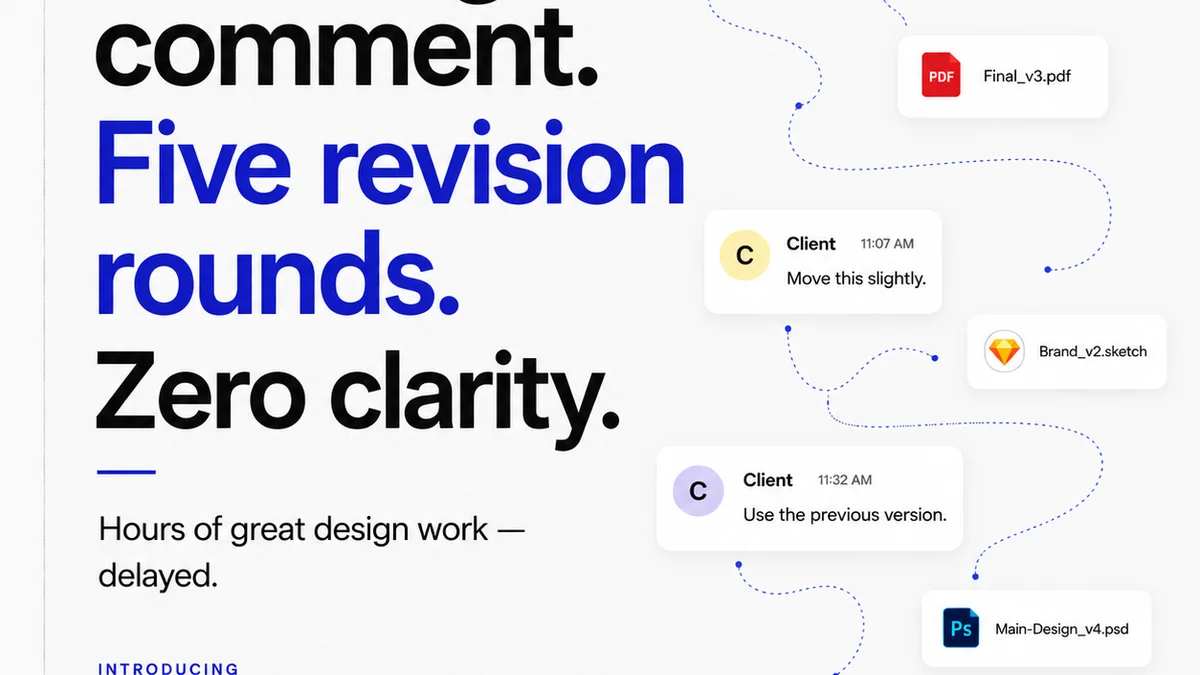
This is often the messiest part of agency work. Clear SOPs here can save countless hours and headaches.
- Centralized Feedback Mechanism: Where and how should feedback be collected? (Hint: Not scattered across emails and Slack.)
- Reviewer Roles & Responsibilities: Who provides feedback at each stage? What’s the scope of their input?
- Revision Request Protocol: How are revisions logged, prioritized, and assigned? What constitutes a
Frequently asked questions
What is a Standard Operating Procedure (SOP) in a creative agency?
A Standard Operating Procedure (SOP) in a creative agency is a documented, step-by-step set of instructions designed to standardize how specific tasks or processes are performed. It ensures consistency, quality, and efficiency in creative project delivery, from briefing to final output.
Why do creative agencies need SOPs?
Creative agencies need SOPs to maintain consistent quality, improve project turnaround times, reduce errors and rework, ensure client satisfaction, onboard new team members efficiently, and scale operations effectively. They provide a reliable framework for creative work.
How often should creative SOPs be updated?
Creative SOPs should be reviewed and updated at least annually, or whenever there's a significant change in technology, team structure, client needs, or agency processes. Regular updates ensure SOPs remain relevant and effective.
Can SOPs stifle creativity?
When implemented correctly, SOPs should not stifle creativity. Instead, they provide a clear framework and handle the operational 'noise,' freeing up creative professionals to focus on innovative problem-solving and strategic thinking. SOPs define the 'how,' not the 'what.'