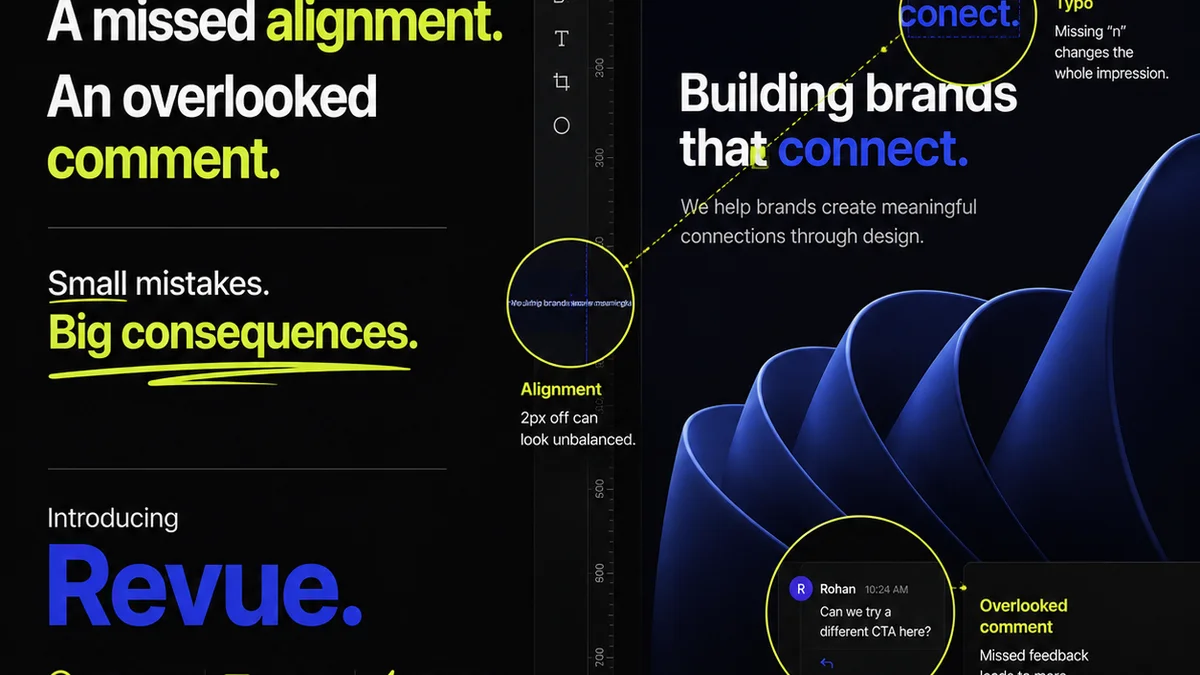
Everyone talks about creative team efficiency. You hear about agile sprints, Kanban boards, and the latest collaboration software. It’s all supposed to magically boost output and reduce stress.
None of that is wrong. But it’s incomplete.
The hard truth? These are just tactics. True efficiency isn't about a specific methodology or tool. It’s about deeply understanding and optimizing your team’s actual workflow, from initial brief to final delivery.
1. Define Your
Frequently asked questions
What is the most common mistake teams make when trying to improve efficiency?
The most common mistake is focusing on tools or methodologies without understanding their current workflow. Teams often adopt new software or adopt agile without fixing the underlying process issues, leading to more complexity, not less.
How can I get my team to adopt new efficiency practices?
Involve your team in defining the problems and solutions. Clearly communicate the 'why' behind any changes, focusing on how it benefits their day-to-day work (less frustration, more time for creative work). Start small, pilot changes, and iterate based on feedback.
Is it possible to be too efficient?
Yes. Over-optimization can lead to burnout, stifled creativity, and a rigid process that can't adapt to unexpected challenges or opportunities. The goal is sustainable efficiency that supports creativity, not crushes it. It's about finding the right balance.
How does client feedback impact creative team efficiency?
Unstructured, delayed, or conflicting client feedback is a major efficiency killer. Implementing clear feedback loops, centralizing comments, and ensuring clear approval stages dramatically reduces wasted time and rework.