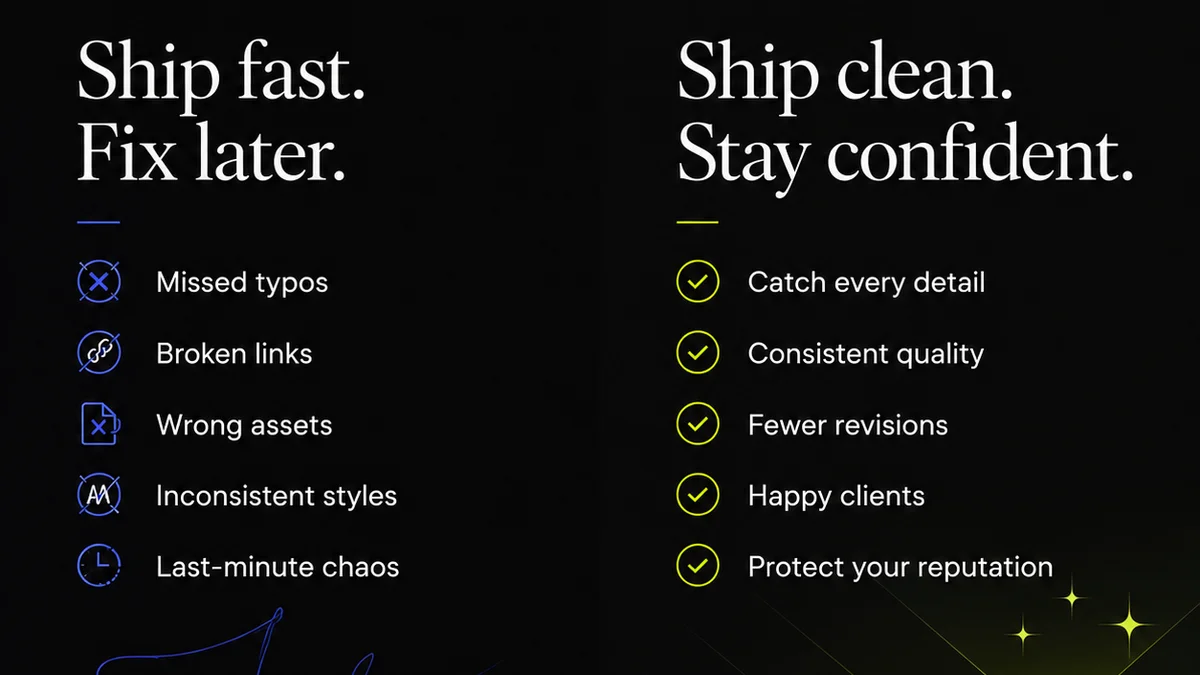
Everyone talks about creative team KPIs. They point to project completion rates, client satisfaction scores, or even the number of awards won. That's not wrong. But it's incomplete.
The hard truth is, most agencies and creative departments are measuring the wrong things. They focus on outcomes that are often lagging indicators or easily gamed. What truly matters are the operational KPIs that predict success and uncover hidden inefficiencies.
For creative directors, understanding these deeper metrics isn't about micromanagement. It's about building a high-performing, sustainable creative engine.
1. Throughput: The Real Measure of Delivery Speed
Throughput isn't just about how many projects you finish. It's about the consistent flow of work through your system, from brief to final delivery. High throughput means your team can handle volume without sacrificing quality or burning out.
Think of it like a manufacturing line. You want to see a steady stream of finished goods, not just occasional bursts of activity followed by long lulls.
Measuring Actual Cycle Time
Cycle time is the duration from when work begins on an item until it's completed. For creative teams, this means tracking from the moment a task is actively being worked on to when it's ready for the next stage or final delivery.
This is different from lead time, which includes waiting periods. Focusing on cycle time helps you identify bottlenecks within the creative process itself.
Identifying Bottlenecks
Where does work get stuck?
- Is it waiting for feedback?
- Are revisions taking longer than expected?
- Are certain team members overloaded?
- Is the handoff between departments clunky?
Tracking throughput helps you pinpoint these exact choke points. This allows for targeted improvements, rather than broad, ineffective changes.
Optimizing Flow
Once you know where the bottlenecks are, you can address them. This might involve:
- Streamlining the internal review process.
- Implementing clearer feedback loops.
- Ensuring resources are allocated effectively.
- Standardizing certain stages of creative production.
The goal is a predictable, efficient workflow. This reduces stress and improves overall output.
2. Revision Cycles: The Hidden Cost of Indecision
The number of revisions on a project is a classic indicator of underlying issues. While some iteration is natural, excessive revision cycles point to problems in the brief, feedback process, or alignment.
This is where many creative directors get it wrong. They see revisions as part of the job. They don't always see them as a symptom of a dysfunctional process.
The True Cost of Revisions
Each revision cycle costs more than just the time spent making changes. It incurs:
- Lost opportunity cost (team members could be working on new projects).
- Increased client frustration and potential for scope creep.
- Diminished team morale due to repetitive, unfocused work.
- Risk of creative fatigue and burnout.
A project that goes through five rounds of major revisions is inherently more expensive and risky than one that requires one or two. This isn't about avoiding feedback; it's about making feedback effective.
Quantifying Revision Effort
Track the number of revision rounds per project. More importantly, track the time spent on each round. Look for patterns:
- Are certain clients or project types consistently requiring more revisions?
- Is feedback vague or contradictory?
- Are briefs unclear from the outset?
This data helps you have objective conversations about process and expectations.
Streamlining Feedback and Approvals
The solution isn't to stop revisions, but to make them count. This means:
- Ensuring briefs are crystal clear and signed off.
- Setting clear expectations for the number and type of revisions included.
- Establishing a single source of truth for feedback.
- Using tools that facilitate clear, contextual annotations.
Efficient revision cycles mean faster project completion and happier clients.
3. Feedback Quality: Moving Beyond
Frequently asked questions
What are the most important KPIs for a creative director?
Beyond vanity metrics like award wins, focus on operational KPIs such as throughput (consistent project flow), revision cycle efficiency (minimizing rounds), feedback quality (clarity and actionability), and resource utilization. These metrics predict success and reveal process inefficiencies.
How can I improve my creative team's throughput?
Improve throughput by clearly defining and tracking cycle times, identifying and eliminating bottlenecks in the workflow (e.g., waiting for feedback, slow reviews), and streamlining handoffs. Consistent, predictable flow is key.
What's the real cost of excessive revisions?
Excessive revisions incur hidden costs beyond time spent. They include lost opportunity costs, increased client frustration, scope creep, diminished team morale, and creative burnout. Minimizing revision cycles through better briefs and feedback is crucial.
How can I ensure feedback quality for my creative team?
Ensure feedback quality by establishing clear brief requirements, setting expectations for feedback structure (e.g., constructive, actionable), using centralized tools for contextual comments, and designating clear approvers to avoid contradictory input.