Everyone thinks creative productivity is about having the latest software. The newest AI tool. The slickest project management platform. The most aesthetically pleasing design app.
None of that is wrong. But it’s incomplete.
The hard truth? The tools that *actually* drive creative productivity aren't just the ones on your desktop. They’re the ones embedded in your team’s daily habits, communication, and decision-making processes.
1. The Unseen Tool: Crystal-Clear Briefs
You can have the most powerful design software on the planet, but if the brief is vague, contradictory, or incomplete, you’re doomed from the start. This isn't about software; it's about clarity.
A great brief is the foundation of everything. It sets expectations, defines scope, and provides the guardrails for creative freedom. Without it, your team is just guessing.
The Symptoms of a Weak Brief
- Endless rounds of revisions that miss the mark.
- Client frustration over unexpected outcomes.
- Team members working in silos, each with a different understanding of the goal.
- Wasted hours on concepts that are fundamentally misaligned.
- A creeping sense of dread every time a new project lands.
Investing time upfront in a robust, collaborative brief process pays dividends in saved time, reduced stress, and ultimately, better creative work.
2. The Communication Hub: Beyond Email Chains
Email is a black hole for creative feedback. It’s asynchronous, easily lost, and impossible to track effectively. Your team needs a dedicated space for communication that’s context-rich and easily searchable.
This isn’t just about chat apps. It’s about having a central nervous system for project discussions, decisions, and approvals. Where does that crucial piece of feedback live? Who signed off on that last revision?
What a Good Communication Hub Looks Like
- All project-related conversations are in one place.
- Decisions are logged and easily retrievable.
- Files and assets are attached directly to discussions.
- Notifications are relevant and actionable, not overwhelming.
- It integrates seamlessly with your other core tools.
When communication is streamlined and contextual, creative blocks dissolve because the path forward is always clear.
3. The Revision Wrangler: Visibility and Control
The revision process is where creative projects often go to die. It’s a messy, subjective, and often frustrating part of the workflow. The key isn’t to eliminate revisions, but to manage them effectively.
This means having a system that provides visibility into feedback, tracks changes, and ensures everyone is working from the latest version. Without this, you’re drowning in version control nightmares and missed instructions.
Mastering Revisions Means:
- Centralized feedback from all stakeholders.
- Clear annotation and markup tools.
- Version history that’s easy to navigate.
- Status tracking for each revision round.
- Automated notifications for new feedback or approvals.
This control prevents scope creep and ensures that creative energy is focused on iteration, not on managing chaos.
4. The Quality Gatekeeper: The Final Check
Before anything goes out the door, it needs a final quality check. This isn't just about spell-checking. It's about ensuring the work meets the brief, adheres to brand guidelines, and is technically sound.
This is the last line of defense against costly errors and client dissatisfaction. It requires a structured process, not just a quick glance.
A Robust Quality Check Includes:
- A clear checklist of requirements.
- A dedicated person or team responsible for the check.
- Verification against the original brief and client goals.
- Technical checks (file formats, resolution, etc.).
- Brand consistency review.
This systematic approach builds client confidence and protects your agency’s reputation.
5. The Knowledge Base: Learning from Experience
Every project, successful or not, generates valuable insights. The real productivity gain comes from capturing and leveraging that knowledge.
This isn’t about dusty binders. It’s about creating accessible repositories of past briefs, final assets, client feedback, and lessons learned. It’s the institutional memory that prevents teams from reinventing the wheel or repeating past mistakes.
Build Your Knowledge Base With:
- Centralized asset management.
- Project debriefs and retrospectives.
- Standardized templates for common deliverables.
- A searchable archive of past work and feedback.
- Documented best practices and processes.
This tool is arguably the most powerful for long-term productivity gains. It turns experience into actionable intelligence.
Where Revue Fits In
You’re probably thinking, “This sounds like a lot of separate tools.” And you’d be right. Managing all of this can feel like juggling.
That’s where a platform like Revue comes in. It’s designed to be the connective tissue for your creative workflow.
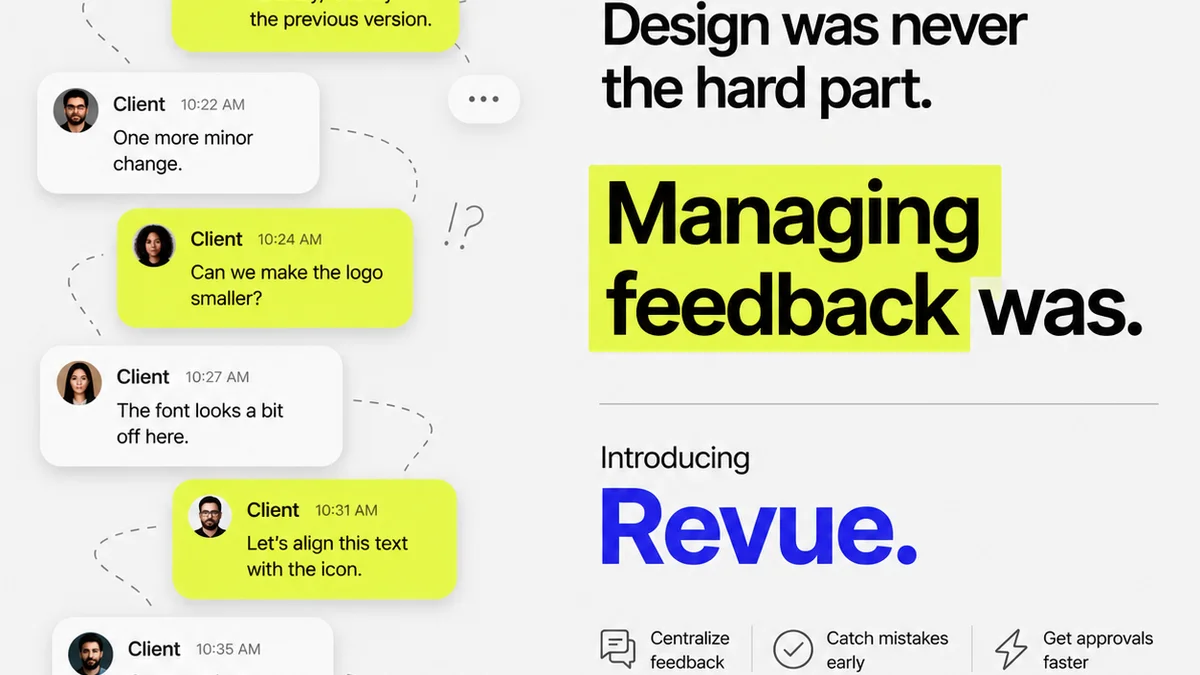
Revue centralizes client feedback, making it impossible for crucial notes to get lost in email chains. It provides clear visibility into revision stages, so everyone knows exactly where a project stands and what needs to happen next. It helps enforce those crucial quality checks by making the entire feedback and approval process structured and auditable.
Instead of cobbling together disparate solutions, Revue offers a unified environment that tackles the core operational challenges that hinder creative productivity. It’s about bringing order to the inherent chaos of creative work, so your team can focus on what they do best: creating.
Final Thought
The tools that matter most for creative productivity aren't always the ones that come with the highest price tag or the most advanced features. They are the systems, processes, and habits that foster clarity, streamline communication, and provide control.
Are you investing in the right tools, or just the newest ones?
Frequently asked questions
What is the most important 'tool' for creative productivity?
While software is important, the most critical 'tool' is actually a well-defined and crystal-clear creative brief. It sets the foundation for the entire project, preventing wasted time and misaligned efforts.
How can teams manage revisions more effectively?
Effective revision management requires a system that centralizes feedback, provides clear annotation tools, tracks version history, and offers status updates. This prevents confusion and ensures everyone is working from the latest iteration.
Why is a centralized communication hub crucial for creative teams?
A centralized hub, beyond email, ensures all project-related discussions, decisions, and feedback are in one accessible, searchable place. This avoids lost information and streamlines communication, reducing bottlenecks.
How does a knowledge base improve creative productivity?
A knowledge base acts as an institutional memory, storing insights from past projects, feedback, and best practices. This prevents teams from repeating mistakes and allows them to leverage past successes, speeding up future work.