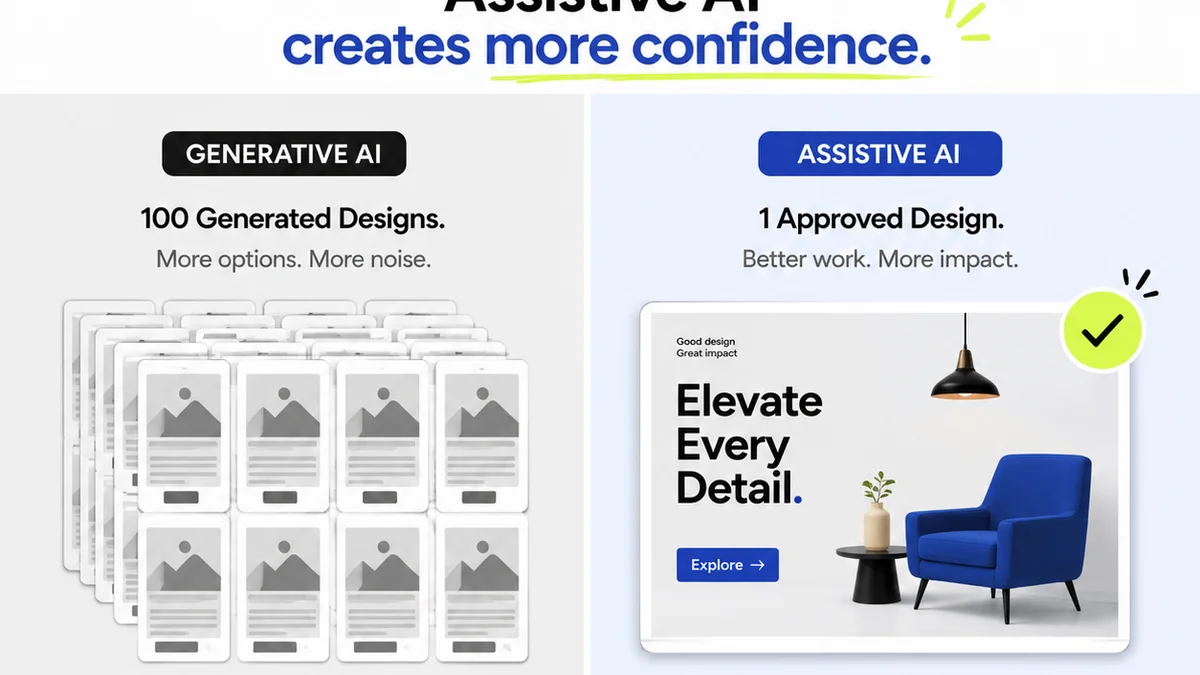
Everyone thinks creative workflow bottlenecks are about too many projects, not enough staff, or a lack of inspiration. None of that is wrong. But it’s incomplete.
The hard truth? Most creative bottlenecks aren't about capacity or creativity at all. They're about visibility. Or rather, the lack of it.
1. The Illusion of Progress
You’ve got a project moving, right? Someone’s working on it. But is it actually moving forward, or just spinning its wheels?
This is where the illusion of progress takes hold. A designer is tweaking a logo. The account manager is waiting for client feedback. The client is
Frequently asked questions
What are the most common creative workflow bottlenecks?
Beyond obvious ones like understaffing or too many projects, common bottlenecks include unclear feedback loops, lack of centralized communication, inefficient revision processes, and poor visibility into project status and dependencies.
How can I identify bottlenecks in my creative team's workflow?
Start by mapping your current process. Look for stages where work consistently piles up, where communication breaks down, or where tasks frequently get stuck waiting for input. Talk to your team – they often know exactly where the friction points are.
Can technology really solve creative workflow problems?
Technology can be a powerful enabler, but it's not a magic bullet. Tools like Revue can centralize feedback, streamline approvals, and improve visibility. However, they must be implemented thoughtfully within a well-defined process to be truly effective.
What's the difference between a bottleneck and a simple delay?
A delay is a temporary setback. A bottleneck is a persistent constraint within the system that limits overall throughput. Bottlenecks require systemic changes to resolve, not just a quick fix for a single instance.