Everyone thinks great creative work comes from a spark of genius, a lightning bolt of inspiration. That the magic happens because designers are just *that* good. None of that is wrong. But it’s incomplete.
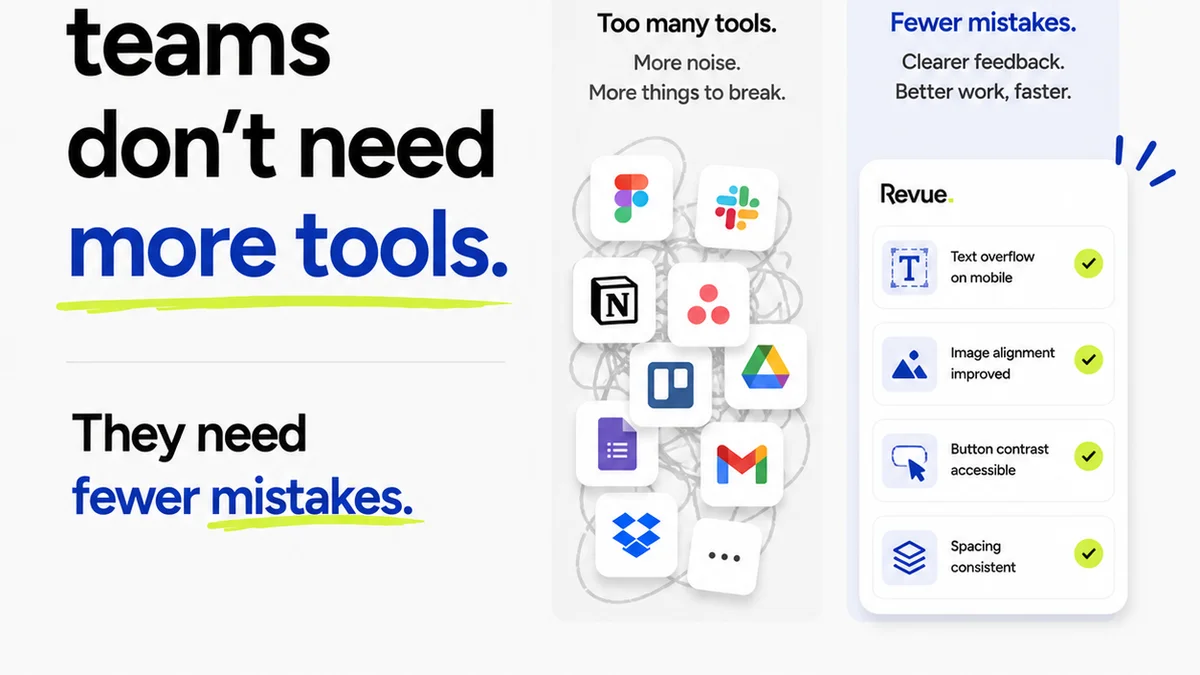
The hard truth is, brilliant ideas often die in the trenches of poor workflow. The real magic isn't just in the creation, it's in the *process* of getting it done. And most creative teams are drowning in preventable chaos.
This isn't about blame. It's about recognizing the operational friction that grinds creative momentum to a halt. Let’s break down the common culprits and how to actually fix them.
1. The Feedback Black Hole
Client feedback is the lifeblood of any agency. But it’s also a notorious bottleneck. Assumptions abound: clients know what they want, feedback is always clear, and everyone’s on the same page.
The reality? Feedback is often vague, contradictory, or delayed. It’s a game of telephone played across email chains, Slack messages, and forgotten meeting notes.
The Symptoms
- Endless revision cycles that go nowhere.
- Misinterpretations leading to work that misses the mark entirely.
- Key stakeholders providing input too late in the process.
- A general sense of
Frequently asked questions
What is the biggest challenge in creative workflow?
The biggest challenge is often the lack of a centralized system for feedback and revisions. This leads to miscommunication, lost versions, and endless, unproductive cycles.
How can agencies improve client feedback?
Agencies can improve client feedback by establishing clear channels for communication, setting expectations for turnaround times, and using tools that allow for contextual, on-screen annotations.
Is technology the only solution to workflow problems?
Technology is a powerful enabler, but it's not the only solution. Clear internal processes, defined roles, and effective communication strategies are equally vital for a smooth workflow.
How do I prevent scope creep in creative projects?
Prevent scope creep by clearly defining project deliverables and scope in the initial brief, setting up a formal change order process for any requested additions, and ensuring all feedback is tracked and approved.