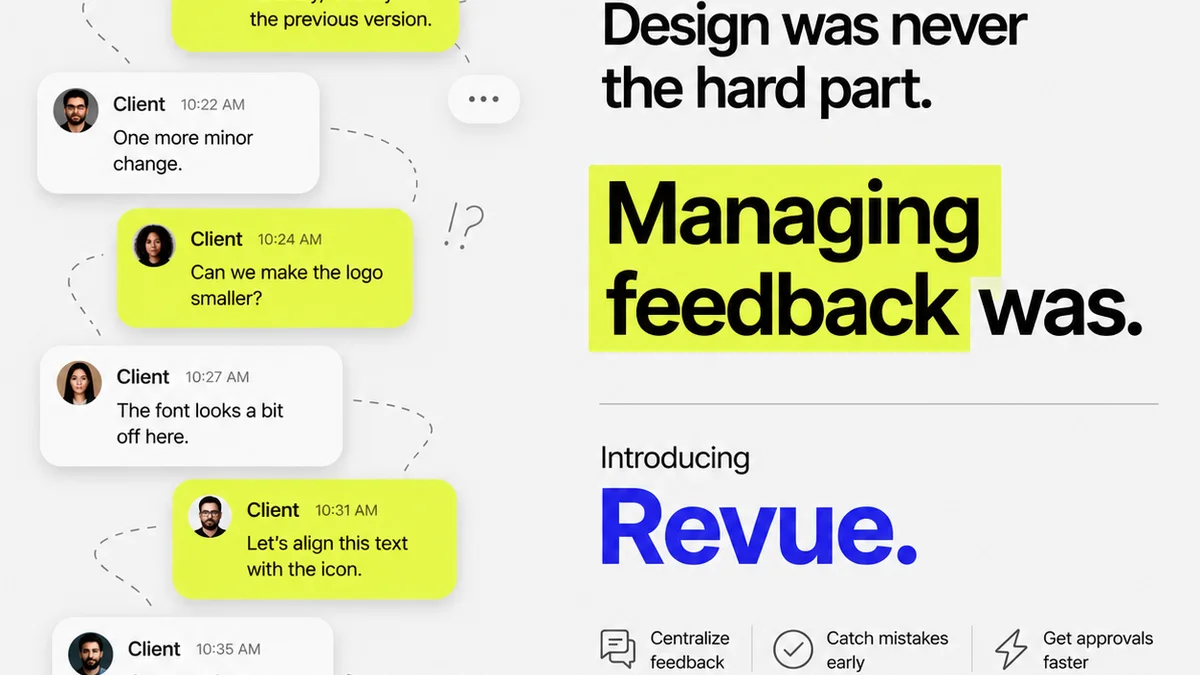
Everyone’s talking about creative workflow. How to speed it up. How to streamline it. How to automate it. The assumption is that a faster workflow means a more profitable agency or a more productive in-house team.
None of that is wrong. But it’s incomplete.
The real, hard truth about creative workflow is this: it’s not primarily about speed. It’s about clarity. Clarity of communication, clarity of process, and clarity of decision-making.
When you have clarity, speed naturally follows. When you chase speed without clarity, you just create chaos faster.
1. The Illusion of the 'Busy' Creative
We’ve all seen it. The designer buried under a mountain of tasks. The copywriter with ten browser tabs open, each a different project. The motion graphics artist pulling an all-nighter.
This looks like productivity. It feels like dedication. But is it effective?
Often, this frantic energy is a symptom of unclear briefs, endless revision cycles, and poor stakeholder management. The creative is busy, yes. But are they busy doing the *right* things?
The Symptoms of Unclear Workflow
- Constant
Frequently asked questions
What is the most important aspect of creative workflow?
While speed and efficiency are important, the most crucial aspect of creative workflow is clarity. Clarity in briefs, communication, and decision-making leads to better outcomes and, ultimately, more efficient processes.
How can I improve my team's creative workflow?
Start by focusing on clarity. Ensure briefs are thorough, communication channels are open and organized, and feedback loops are streamlined. Implement tools that centralize information and approvals to reduce confusion and rework.
Is it possible to have too much focus on speed in creative work?
Yes. Chasing speed without ensuring clarity can lead to rushed work, missed details, increased errors, and ultimately, more time spent on revisions and corrections. It can also negatively impact team morale and creative quality.
How does client feedback impact creative workflow?
Client feedback is a critical touchpoint. An unclear feedback process, with vague or conflicting comments, can derail a workflow. Centralizing feedback and ensuring clear communication channels with clients are essential for a smooth process.