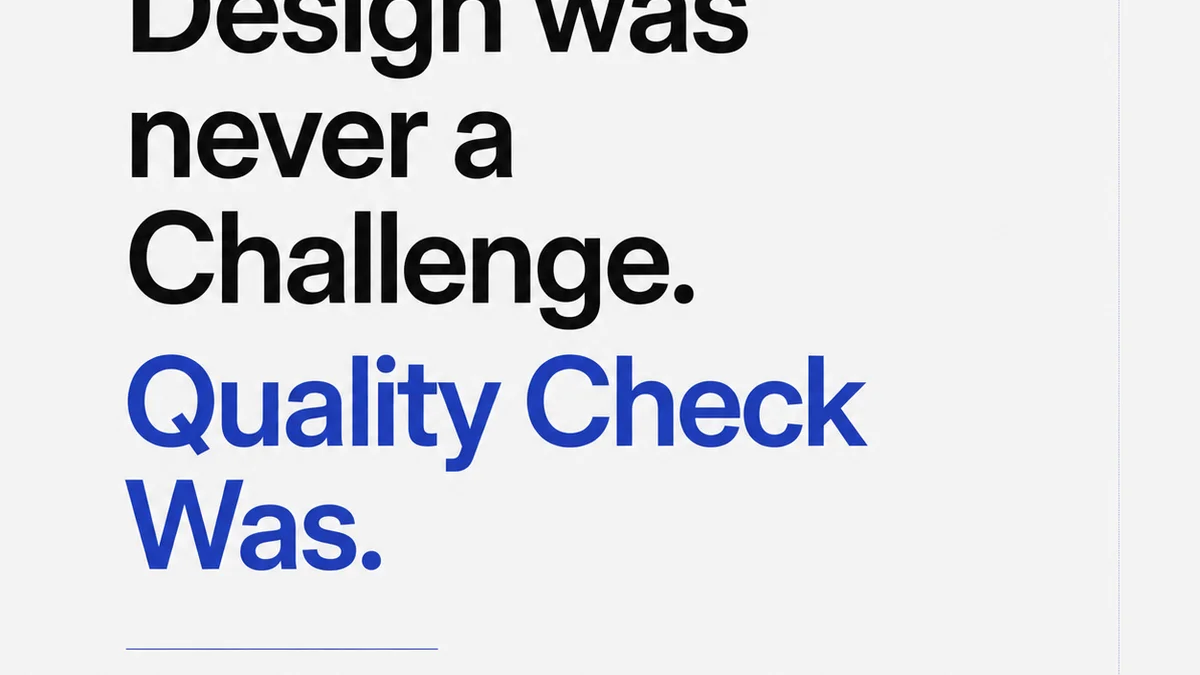
Everyone agrees that a smooth creative workflow is essential for agency success. You've probably read countless articles about the importance of project management software, clear briefs, and talented teams. None of that is wrong. But it’s incomplete.
The hard truth is that most companies fail at creative workflow not because they lack tools or talent, but because they fundamentally misunderstand how feedback and approvals kill productivity. It’s the silent killer of deadlines and client satisfaction.
1. The Illusion of Communication
We assume that more communication equals better understanding. We send more emails, schedule more meetings, and flood Slack channels. This is often the opposite of what’s needed.
Scattered communication creates fragmented feedback. What one person says in an email might be contradicted by a Slack message, or lost entirely in a long meeting transcript. This creates ambiguity, not clarity.
The Feedback Black Hole
Feedback gets lost in overflowing inboxes. Important comments are buried under less critical ones. Stakeholders forget what they asked for. Revisions get misinterpreted. Sound familiar?
This isn't just annoying; it's expensive. Every hour spent hunting for feedback or clarifying a misinterpretation is an hour not spent creating.
The Approval Bottleneck
Approvals are often the final hurdle, but they become a choke point. Waiting for a single person’s sign-off can halt progress for days. This delay ripples through the entire project timeline.
When approvals are opaque, it’s impossible to know who is holding things up or why. This leads to finger-pointing and frustration, not solutions.
2. The Myth of the 'Single Source of Truth'
Many teams *think* they have a single source of truth. They might use a project management tool. They might have a shared drive. But is that *really* where the final, approved version lives, with all the context?
Often, the
Frequently asked questions
What is the biggest mistake companies make with creative workflow?
The biggest mistake is assuming that having the right tools or talented people automatically creates a good workflow. The reality is that the management of feedback and approvals is often the weakest link, leading to delays and miscommunication.
How does scattered feedback impact a creative project?
Scattered feedback, coming from emails, Slack, meetings, and various documents, creates ambiguity. This leads to misinterpretations, wasted time searching for comments, and revisions that miss the mark, ultimately delaying the project and frustrating the team.
What are the signs of a broken approval process?
Signs include significant delays waiting for sign-offs, a lack of clarity on who needs to approve what and when, and frequent back-and-forth clarification requests. This bottleneck can halt progress and impact the entire project timeline.
Can technology solve all workflow problems?
Technology is a crucial enabler, but it's not a silver bullet. The most advanced tools won't fix a workflow if the underlying processes for managing feedback, revisions, and approvals are flawed. Process and communication strategy are paramount.