Everyone talks about creative workflow. They say it’s about tools. It’s about templates. It’s about having a system.
None of that is wrong. But it’s incomplete.
The real truth? Workflow isn’t about the tools you use. It’s about the decisions you make. And the habits you build.
A strong workflow isn’t a magic bullet. It’s a muscle. You build it through practice, repetition, and ruthless honesty about what’s working and what’s not.
1. The Myth of the 'Perfect' Process
Many agencies and teams chase a mythical ‘perfect’ process. They assume if they just find the right software, the right methodology, or the right checklist, everything will magically flow. They spend countless hours researching, implementing, and tweaking systems.
This is a common trap. It’s like a chef obsessing over the knife set before they’ve learned to chop an onion.
The deeper truth is that no single process fits every team, every project, or every client. Your workflow needs to be adaptable. It needs to be built around your specific challenges, not some idealized version of what a workflow *should* be.
Why 'Perfect' is the Enemy of Good
- Chasing perfection leads to analysis paralysis.
- Rigid systems break under real-world pressure.
- It distracts from the actual creative work.
- It creates unnecessary overhead.
Your workflow should serve your creativity, not stifle it.
2. Understanding Your Current State
Before you can build a better workflow, you need to know where you are. Most teams skip this step. They jump straight to solutions without diagnosing the actual problem.
What are the real bottlenecks? Where is time being wasted? What are the common points of friction?
Be brutally honest here. This isn’t about blame. It’s about observation.
Common Workflow Killers
- Unclear briefs.
- Ambiguous feedback.
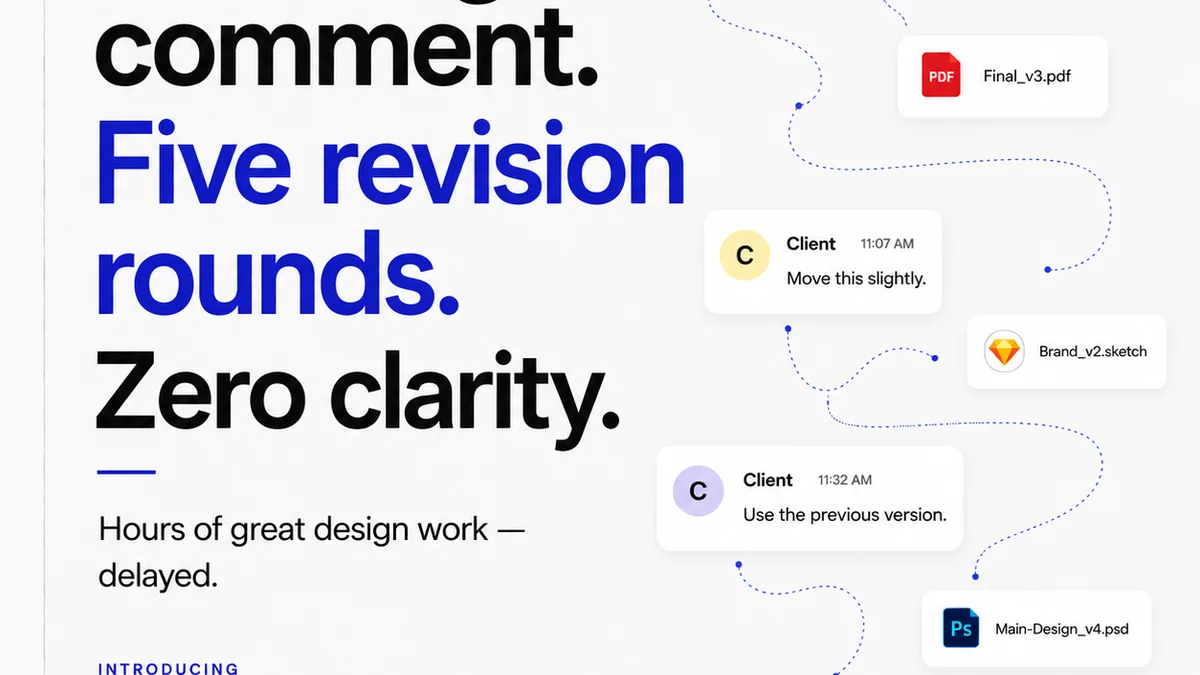
- Endless revision rounds.
- Lack of clear ownership.
- Siloed communication.
- Technical debt from outdated tools.
- Manual, repetitive tasks.
Document these pain points. Talk to your team. They know where the friction is.
3. The Core Pillars of Effective Workflow
While the specifics will vary, most successful creative workflows share fundamental pillars. These aren’t fancy. They’re practical.
Pillar 1: Clarity and Briefing
Everything starts with a clear brief. Vague objectives lead to wasted effort. Your brief should define:
- Project goals.
- Target audience.
- Key deliverables.
- Mandatory elements.
- Success metrics.
- Budget and timeline.
A good brief is a contract. It sets expectations and prevents scope creep.
Pillar 2: Structured Feedback and Revisions
This is where most creative projects go off the rails. Feedback needs to be:
- Centralized.
- Contextual.
- Actionable.
- Tracked.
Ambiguous comments like “make it pop” or “I don’t like it” are useless. Feedback should be specific, tied to the brief, and clearly indicate what needs to change.
And revisions? They need a clear process. How many rounds are included? What’s the turnaround time? Who signs off?
Pillar 3: Defined Roles and Responsibilities
Who is responsible for what at each stage? Ambiguity here breeds confusion and missed deadlines.
Clear ownership prevents tasks from falling through the cracks. It ensures accountability.
Pillar 4: Efficient Communication
Communication is key, but *how* you communicate matters. Constant Slack messages, endless email chains, and scattered documents kill productivity.
Your workflow should dictate the primary channels for specific types of communication. Project updates in one place. Feedback in another. Internal discussions elsewhere.
Pillar 5: Quality Assurance and Approval
Before anything goes to the client, it needs a quality check. Does it meet the brief? Are there errors? Is it on-brand?
Formal approval gates are crucial. This isn’t just about client sign-off. It’s about internal checks that catch issues early.
4. Building Your Workflow: Iteration, Not Perfection
Don’t try to build the perfect system overnight. Start small. Identify one major pain point and build a process to address it.
Maybe it’s standardizing your project kickoff calls. Perhaps it’s implementing a clear feedback structure for initial concepts.
Test it. See what works. Get feedback from your team.
Refine it. Make adjustments.
Then, tackle the next pain point.
Key Steps to Implementation
- Document current process (warts and all).
- Identify 1-2 major bottlenecks.
- Brainstorm solutions (focus on simple, actionable steps).
- Implement the change for a defined period.
- Gather feedback from the team involved.
- Analyze results and iterate.
- Repeat for the next bottleneck.
This iterative approach is far more effective than a top-down, all-at-once overhaul.
5. Where Revue Fits In
Managing creative projects means managing a constant flow of assets, feedback, and approvals. Without a central hub, this becomes chaotic.
Revue isn’t just another tool; it’s a system designed to bring order to that chaos. It provides a single source of truth for your creative work.
- Centralized Feedback: No more digging through emails or Slack threads. All client comments live directly on the asset, providing context and clarity.
- Revision & Approval Tracking: See every version, every comment, and every approval in one clear timeline. This transparency eliminates misunderstandings and speeds up sign-offs.
- Quality Checks Made Visible: Internal reviews and client approvals are logged, ensuring that work meets standards before it’s finalized.
By streamlining these critical touchpoints, Revue helps you move faster, reduce errors, and keep clients happy.
6. Final Thought
Your creative workflow is a living thing. It needs constant attention, adaptation, and refinement. It's not about the rigidity of the system, but the flexibility and intelligence with which you apply it.
Are you building a workflow that truly serves your team and your clients, or are you just rearranging the deck chairs on the Titanic?
Frequently asked questions
What is a creative workflow?
A creative workflow is the series of steps and processes a team follows to complete a creative project, from initial concept to final delivery. It includes planning, execution, feedback, revisions, and approvals.
Why is a good creative workflow important?
A good workflow ensures projects are completed efficiently, on time, and within budget. It reduces errors, improves communication, clarifies expectations, and leads to higher quality output and happier clients.
How do I start building a workflow?
Start by understanding your current process and identifying key pain points. Then, focus on implementing solutions for one or two bottlenecks at a time, testing, gathering feedback, and iterating.
What are the essential elements of a creative workflow?
Key elements include clear briefing, structured feedback and revisions, defined roles and responsibilities, efficient communication channels, and a robust quality assurance and approval process.