Everyone talks about creative workflow. They talk about agile sprints, design thinking, and cross-functional collaboration. It sounds great. Like a well-oiled machine, humming along perfectly.
None of that is wrong. But it’s incomplete.
The hard truth is, most marketing teams struggle with their creative workflow not because they don't understand the concepts, but because they ignore the messy operational details. The ones that actually impact deadlines, budgets, and the quality of the final output.
This isn't about adopting a new methodology. It's about confronting the day-to-day realities that make or break creative production.
1. The Myth of the 'Always-On' Creative
Assumption: Great marketing teams have creatives who are constantly generating brilliant ideas, ready to jump on any project.
Hard Truth: Creativity isn't an infinite resource. It needs to be managed, protected, and strategically deployed.
Constant demands, unclear briefs, and endless revisions drain creative energy faster than any project can afford. This leads to burnout, mediocrity, and missed opportunities.
Protecting Creative Bandwidth
- Define Clear Project Scopes: Vague requests lead to wasted effort and frustration. Nail down objectives, deliverables, and target audiences upfront.
- Batch Similar Tasks: Grouping tasks like copywriting, image selection, or video editing allows for focused work and reduces context switching.
- Schedule 'Deep Work' Time: Block out uninterrupted periods for focused creative tasks. Protect this time fiercely.
- Implement a Triage System: Not every request is urgent or equally important. Develop a system for prioritizing incoming creative needs.
Your best creative work happens when your team isn't just busy, but focused and energized.
2. Briefs: The Foundation or the Flop?
Assumption: A good brief is just a document listing requirements.
Hard Truth: A brief is the single most critical tool for aligning expectations and setting a creative team up for success. A bad brief guarantees failure.
Many marketing teams treat briefs as an afterthought. A quick email, a hastily filled template. This is where most projects go off the rails before they even begin.
What Makes a Great Creative Brief?
- The 'Why': Clearly articulate the business objective. What problem are we solving?
- The Audience: Who are we talking to? What do they care about?
- The Goal: What specific action should the audience take?
- The Key Message: What is the single most important takeaway?
- Mandatories & Constraints: Brand guidelines, legal disclaimers, budget, timeline.
- Deliverables: Exactly what assets are needed? In what formats?
A comprehensive brief is an investment. It saves time, reduces revisions, and leads to better creative outcomes. Think of it as your project's blueprint.
3. Feedback Loops: Chaos or Clarity?
Assumption: Everyone on the marketing team knows how to give good feedback.
Hard Truth: Unstructured, subjective, and conflicting feedback is a creativity killer. Clear, actionable feedback is a superpower.
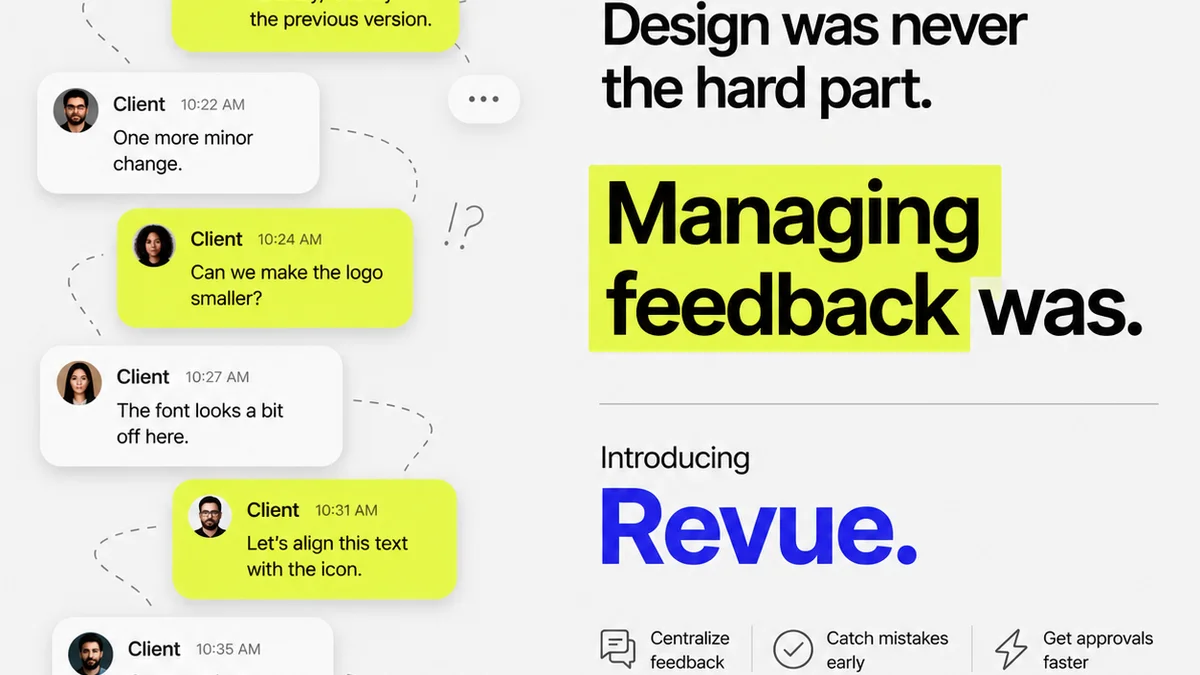
Marketing teams often drown in feedback. Comments in Slack, emails, random Word docs, scribbles on PDFs. It's a mess.
This creates confusion, frustration, and endless rounds of revisions that don't actually improve the work.
Streamlining Creative Feedback
- Centralize Feedback: Use a single platform where all feedback lives. No more hunting through email chains.
- Define Feedback Criteria: Base feedback on the brief's objectives, not personal preference.
- Assign Feedback Roles: Who has the final say? Who provides input? Clarify decision-making authority.
- Keep it Actionable: Feedback should clearly state what needs to change and why.
Frequently asked questions
What is the most common mistake marketing teams make with their creative workflow?
The most common mistake is focusing on theoretical methodologies without addressing the practical, operational details. This includes unclear briefs, unstructured feedback, and failing to protect creative bandwidth, all of which lead to inefficiency and lower quality output.
How can marketing teams improve their creative brief process?
Improve briefs by clearly defining the business objective (the 'why'), the target audience, the desired action (the goal), the key message, any mandatory elements or constraints, and the specific deliverables. A detailed brief acts as a roadmap, ensuring everyone is aligned from the start.
What are the key elements of effective creative feedback?
Effective feedback is clear, actionable, and directly tied to the project brief's objectives. It should specify what needs to change and why, avoiding subjective opinions. Centralizing feedback in one place and clarifying who has final decision-making authority are also crucial.
How does Revue help with creative workflow for marketing teams?
Revue helps marketing teams by centralizing client and stakeholder feedback, providing clear visibility into revision and approval stages, and enabling quality checks. This streamlines communication, reduces confusion, and ensures creative projects stay on track and meet their objectives.